
Inicio > Matemáticas y ciencia > Biologia, ciencias de la vida > Botánica y ciencias de las plantas > Wirtschaftliche Analyse des Anbausystems von Erdnüssen bei Landwirten
Wirtschaftliche Analyse des Anbausystems von Erdnüssen bei Landwirten

Wirtschaftliche Analyse des Anbausystems von Erdnüssen bei Landwirten

Hyelda Bathon Ati

53,85 €
IVA incluido
Disponible
Editorial:
KS OmniScriptum Publishing
Año de edición:
2025
Materia
Botánica y ciencias de las plantas
ISBN:
9786209015786
53,85 €
IVA incluido
Disponible

Selecciona una librería:

  • Librería Samer Atenea
  • Librería Aciertas (Toledo)
  • Kálamo Books
  • Librería Perelló (Valencia)
  • Librería Elías (Asturias)
  • Donde los libros
  • Librería Kolima (Madrid)
  • Librería Proteo (Málaga)

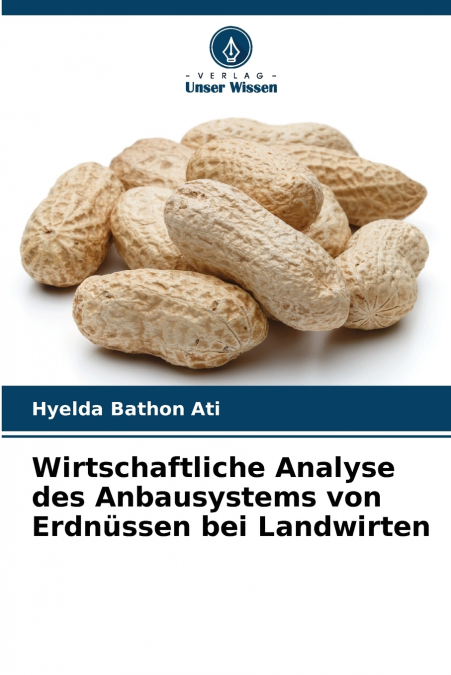
Erdnüsse sind die 13. wichtigste Nahrungsmittelpflanze der Welt und die viertwichtigste Quelle für Speiseöl. In Westafrika produziert Nigeria 41 % der Gesamtproduktion. Die Produktion von ungeschälten Nüssen wird auf 2,5 Millionen Tonnen pro Jahr geschätzt, wobei der Ertrag zwischen 500 und 3000 kg/ha liegt. Trotz der Bemühungen der Regierung, die Produktion dieser Kulturpflanze durch die Finanzierung von Forschungsarbeiten, Maßnahmen zur Verbesserung der Pflanzen und die Bereitstellung umfangreicher Landressourcen anzukurbeln, wurden keine nennenswerten Ergebnisse erzielt. In diesem Buch wurden zwei Anbausysteme für Erdnüsse identifiziert: Erdnüsse/Sorghum und Erdnüsse allein. Eine Analyse der Kosten und Erträge ergab, dass beide Anbausysteme rentabel sind. Die Ergebnisse der stochastischen Grenzproduktivitätsanalyse zeigen, dass Sigma-Quadrat und Gamma für die technische Effizienz 0,522 bzw. 0,841 betrugen und beide auf dem 1 %-Niveau signifikant waren. Die Größe des Betriebs, die Zahl der Lohnarbeiter, die Familienarbeit und der Einsatz von Herbiziden waren positiv und standen in direktem Zusammenhang mit dem Ertrag. Die formale Bildung, die Hauptbeschäftigung und die Haushaltsgröße erhöhten die technische Effizienz der Landwirte. Die durchschnittliche technische Effizienz betrug 74 %. Dieses Buch wird politischen Entscheidungsträgern, Forschern, Studenten und Agrarökonomen aller Ebenen empfohlen.
Artículos relacionados

  • The Green Architecture
    Ali Mirshafieyan / Ghazal Yeganeh / Maryam Zamani Motlagh
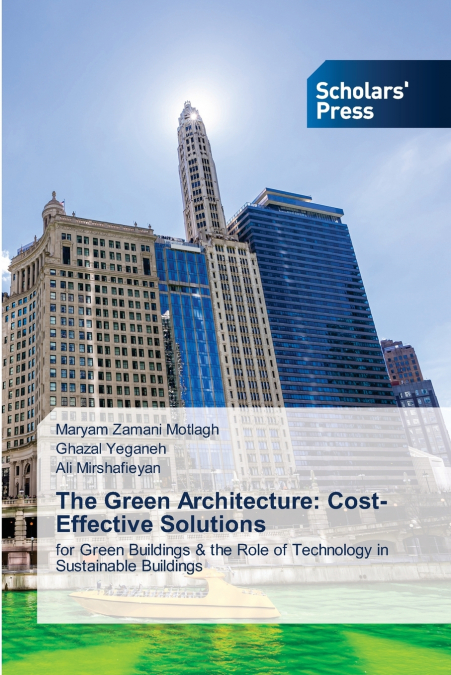
    Protecting green energy as well as non-renewable energy, as well as their sustainable use, many advances in the technology of extracting oil products and other reserves under the ground have caused many improvements. In this regard, proposing the design of buildings in which the consumption of fossil fuels reaches its lowest level is considered one of the important solutions in...
    Disponible

    82,54 €

  • Responsible Use and Management of Agrochemicals
    Juan Carlos Nava
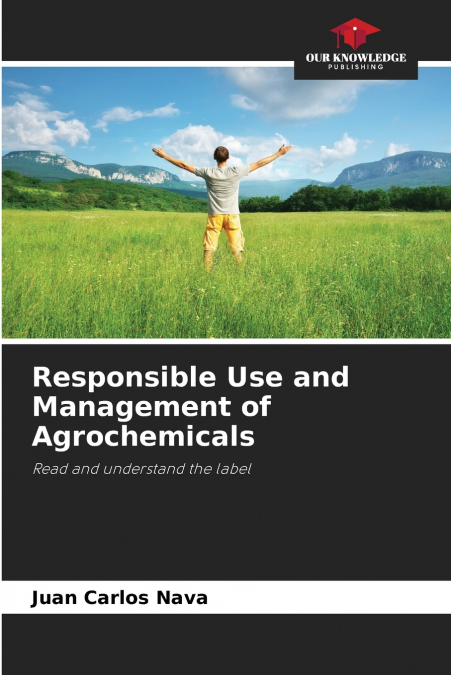
    Uso y manejo responsable de agroquímicos is a work product of the author’s experiences (undergraduate and graduate professor, with research and extension projects), aimed at producers, companies, professionals, students, advisors, researchers, among others.Due to its structure and content, it is expected to be a valuable aid to all people directly or indirectly involved in the ...
    Disponible

    49,45 €

  • Hope in the Soil
    Ellen G White
    Before edible classrooms began 'sprouting' in elementary schools, before buzzwords like 'sustainable agriculture', 'organic,' or 'veganic' came into existence, an exceptional woman named Ellen G. White penned numerous letters and articles on the importance of farming, an outdoor life, and manual labor. Though often remembered for other things, Mrs. White was actively engaged in...
    Disponible

    18,38 €

  • The Green Revolution
    Binitha Sophine Emmanuel
    The Green Revolution, a transformative era in the annals of agriculture, emerged as a game-changing force during the mid-20th century, fundamentally reshaping the methodology of food production and steering the trajectory of global food security. Characterized by a sequence of technological breakthroughs, the Green Revolution aimed to substantially augment agricultural producti...
    Disponible

    53,23 €

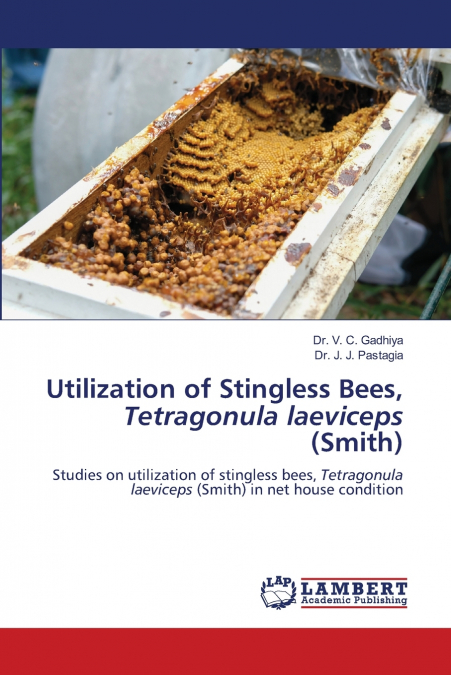
  • Utilization of Stingless Bees, Tetragonula laeviceps (Smith)
    Dr. J. J. Pastagia / Dr. V. C. Gadhiya
    The present investigations on utilization of stingless bees, T. laeviceps Smith in net house condition carried out with the broad aspects like flowers visited by stingless bees, T. laeviceps Smith, toxicity of insecticides to T. laeviceps Smith workers, floral biology of musk melon, foraging behavior of stingless bees, T. laeviceps Smith in net house condition, effect of pollin...
    Disponible

    84,80 €

  • La révolution verte
    Binitha Sophine Emmanuel
    La révolution verte, une ère transformatrice dans les annales de l’agriculture, est apparue comme une force qui a changé la donne au milieu du 20e siècle, remodelant fondamentalement la méthodologie de la production alimentaire et orientant la trajectoire de la sécurité alimentaire mondiale. Caractérisée par une série de percées technologiques, la révolution verte visait à augm...
    Disponible

    53,29 €

Otros libros del autor

  • Analyse économique du système de culture à base d’arachide chez les agriculteurs
    Hyelda Bathon Ati
    L’arachide est la 13e culture vivrière la plus importante au monde et la 4e source d’huile comestible. En Afrique de l’Ouest, le Nigeria produit 41 % de la production totale. La production de cacahuètes non décortiquées est estimée à 2,5 millions de tonnes par an, avec un rendement compris entre 500 et 3 000 kg/ha. Malgré les efforts du gouvernement pour relancer la production ...
    Disponible

    53,85 €

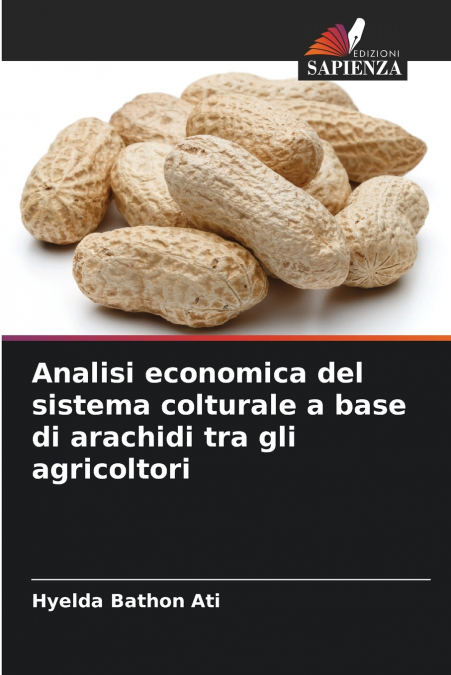
  • Analisi economica del sistema colturale a base di arachidi tra gli agricoltori
    Hyelda Bathon Ati
    La noce è la 13a coltura alimentare più importante del mondo e la quarta fonte di olio commestibile. In Africa occidentale, la Nigeria produce il 41% della produzione totale. La produzione di noci non sgusciate è stimata in 2,5 milioni di tonnellate all’anno e la resa varia da 500 a 3000 kg/ha. Nonostante gli sforzi del governo per rilanciare la produzione di questa coltura att...
    Disponible

    53,85 €

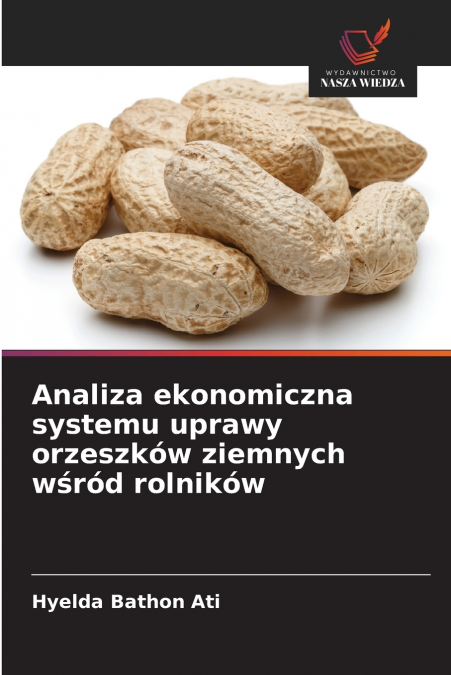
  • Analiza ekonomiczna systemu uprawy orzeszków ziemnych wśród rolników
    Hyelda Bathon Ati
    Orzeszki ziemne są trzynastą najważniejszą rośliną uprawną na świecie i czwartym najważniejszym źródłem oleju jadalnego. W Afryce Zachodniej Nigeria produkuje 41% całkowitej produkcji. Produkcja orzechów niełuskanych szacowana jest na 2,5 mln ton rocznie, a plony wynoszą od 500 do 3000 kg/ha. Pomimo wysiłków rządu mających na celu ożywienie produkcji tej rośliny poprzez finanso...
    Disponible

    53,85 €

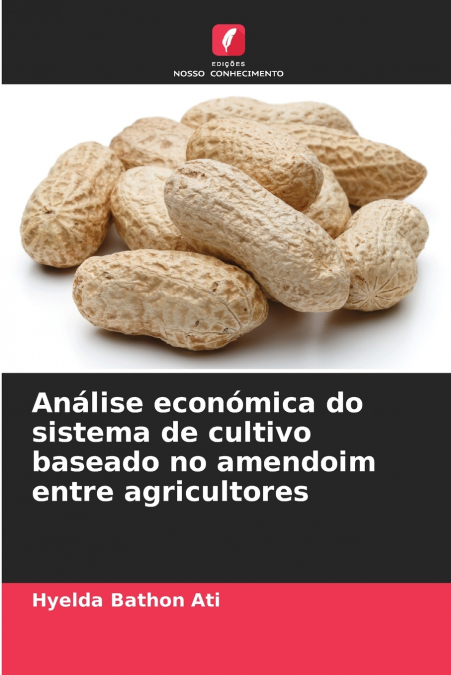
  • Análise económica do sistema de cultivo baseado no amendoim entre agricultores
    Hyelda Bathon Ati
    O amendoim é a 13.ª cultura alimentar mais importante do mundo e a 4.ª fonte mais importante de óleo comestível. Na África Ocidental, a Nigéria produz 41% da produção total. A produção de amendoim com casca é estimada em 2,5 milhões de toneladas métricas por ano, com um rendimento que varia entre 500 e 3000 kg/ha. Apesar dos esforços do governo para revitalizar a produção desta...
    Disponible

    53,85 €