Inicio > Tecnología, ingeniería, agricultura > > Química industrial > Tecnología de alimentos y bebidas > Nutritional and Toxicological Significance of Enzyme Inhibitors in Foods
Nutritional and Toxicological Significance of Enzyme Inhibitors in Foods

Nutritional and Toxicological Significance of Enzyme Inhibitors in Foods

Mendel Friedman

50,61 €
IVA incluido
Disponible
Editorial:
Springer Nature B.V.
Año de edición:
2012
Materia
Tecnología de alimentos y bebidas
ISBN:
9781475700237
50,61 €
IVA incluido
Disponible

Selecciona una librería:

  • Librería Samer Atenea
  • Librería Aciertas (Toledo)
  • Kálamo Books
  • Librería Perelló (Valencia)
  • Librería Elías (Asturias)
  • Donde los libros
  • Librería Kolima (Madrid)
  • Librería Proteo (Málaga)

Soybean protei ns are wi de 1 y used inhuman foods ina vari ety of forms, including baby formulas, flour, soy protein concentrates, soy protein isolates, soy sauces, textured soy fibers, and tofu. The presence of inhibitors of digestive enzymes in soy proteins impairs nutritional quality and possible safety of this impportant legume. Normal processing conditions based on the use of heat do not completely inactivate these inhibitors, so that residual amounts of plant protease inhibitors are consumed by animals and man. Inhibitors of digestive enzymes are present not only in legumes, such as soybeans, lima beans, and kidney beans, but also in nearly all plant foods, including cereals and potatoes, albeit in much smaller amounts. The antinutritional effects of inhibitors of proteolytic enzymes have been widely studied and can be ameliorated by processing and/or sulfur amino acid fortification. A more urgent concern is reports that rats fed diets containing even low levels of soybean-derived inhibitors, which are found in foods such as soy-based baby formulas, may develop over their lifespan pancreatic lesions leading eventually to neoplasia or tumor formation. On the other hand, recent stUdies suggest that certain enzyme inhibitors from plant foods may prevent cancer formation in other tissues. A key question, therefore, is whether inhibitors from plant foods constitute a human health hazard.
Artículos relacionados

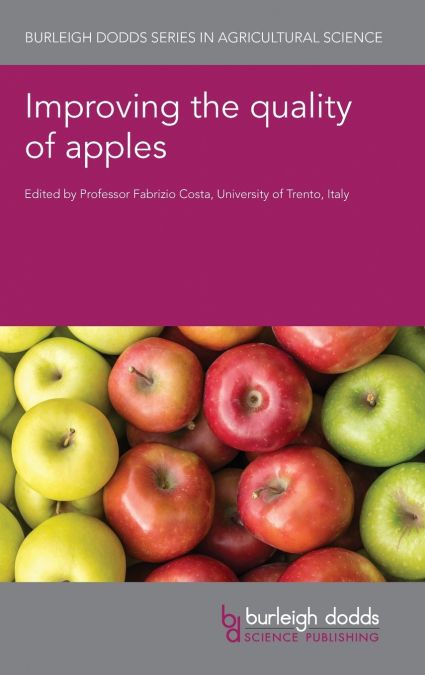
  • Improving the quality of apples
    Fabrizio Costa
    This collection reviews the wealth of recent research undertaken on the factors which can determine the quality of apples, focussing on attributes such as texture and nutritional content. The book also considers how these attributes can be optimised at both the pre- and postharvest stages in the value chain for apples as a means of meeting the increasing expectations and demand...
  • FOOD CHEMISTRY
    V. Ramani Alex
    This enlightening guide explores the chemical intricacies of what we eat. It unravels the basic chemical substances that constitute our food, and the methods through which these can be analyzed, providing a comprehensive understanding of what we consume. The book delves into how food supports our well-being, focusing on the essential nutrients required for our biochemical proce...
    Disponible

    21,52 €

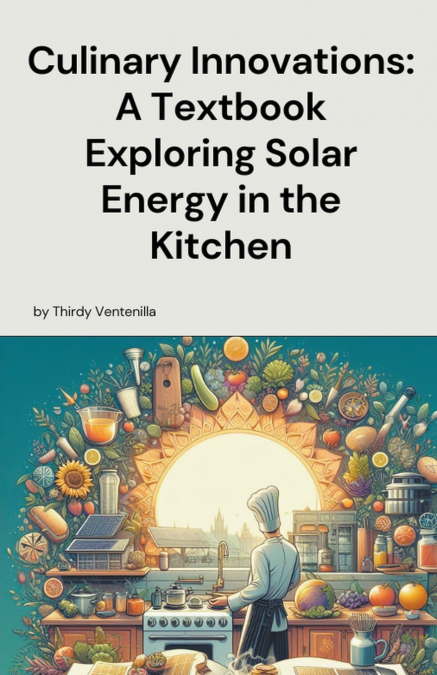
  • Culinary Innovations
    Thirdy Ventenilla
    'Culinary Innovations: A Textbook Exploring Solar Energy in the Kitchen' is a comprehensive manual that delves into the intersection of solar energy and culinary artistry. Through a blend of scientific exploration and practical application, this book offers readers a unique journey into the world of eco-friendly cooking powered by sunlight.The book begins by demystifying solar ...
    Disponible

    12,83 €

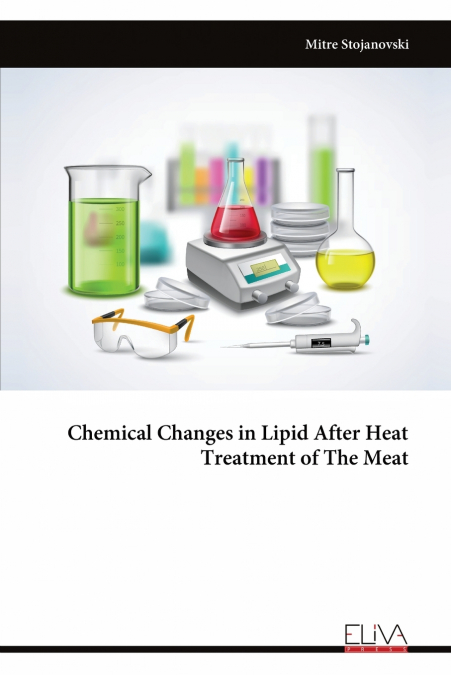
  • Chemical Changes in Lipid After Heat Treatment of The Meat
    Mitre Stojanovski
    Meat is a rich source of lightly-digestible proteins, fats, and minerals. The meat contains all the necessary nutrients in an appropriate ratio for maximum utilization by the human organism, and as a result, the meat is characterized by high digestibility of 96% and utilization of 98%, thus bringing meat into a high biological food product and nutritional value.The meat as a fo...
    Disponible

    47,76 €

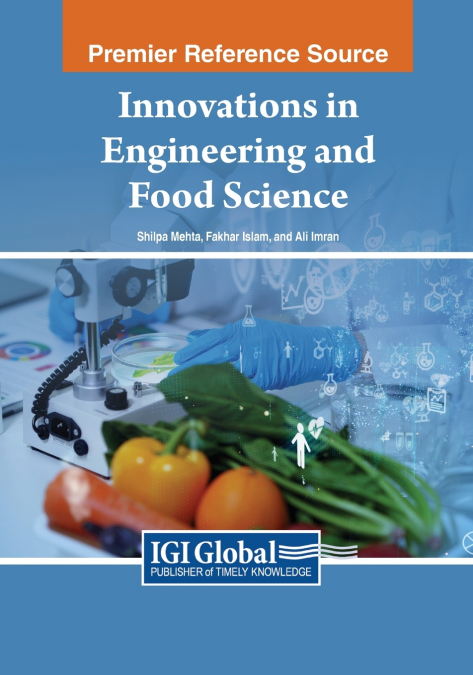
  • Innovations in Engineering and Food Science
    As the global population continues to grow, the depletion of Earth’s resources poses a significant challenge in ensuring food security for current and future generations. This book addresses this pressing issue by presenting innovative strategies and methods to reduce food loss, enhance production, identify alternative ingredients, and digitize the food system. It explores topi...
    Disponible

    262,26 €

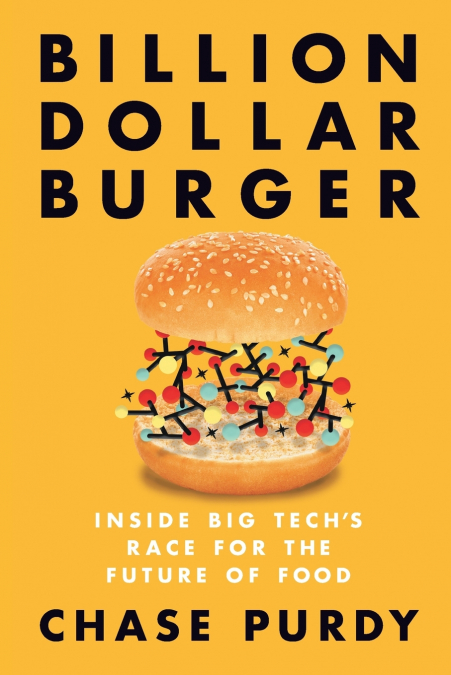
  • Billion Dollar Burger
    Chase Purdy
    ...
    Disponible

    25,74 €

Otros libros del autor

  • Absorption and Utilization of Amino Acids
    Mendel Friedman
    Containing 45 papers written by outstanding international authors from 14 countries, this three-volume compendium brings together the elements needed to understand the factors which influence the utilization of amino acids. ...
  • Protein Crosslinking
    Mendel Friedman
    The word crosslinking implies durable combination of usually large, distinct elements at specific places to create a new entity that has different properties as a result of the union. In the case of proteins, such crosslinking often results in important changes in chemical, physical, functional, nutritional, and biome­ dical properties, besides physic...
    Disponible

    131,67 €

  • Nutritional and Toxicological Aspects of Food Safety
    Mendel Friedman
    Naturally occurring antinutrients and food toxicants, and those formed during food processing, adversely affect the nutri­ tional quality and safety of foods. Because of the need to improve food quality and safety by plant breeding, fortification with appropriate nutrients, and processing methods, and because of the growing concern about possible direct relationships between di...
    Disponible

    50,65 €

  • Protein Crosslinking
    Mendel Friedman
    The word crosslinking implies durable combination of usually large, distinct elements at specific places to create a new entity that has different properties as a result of the union. In the case of proteins, such crosslinking often results in important changes in chemical, physical, functional, nutritional, and biome­ dical properties, besides physical properties simply relate...
    Disponible

    45,60 €

  • Nutritional and Toxicological Consequences of Food Processing
    Mendel Friedman
    A variety of processing methods are used to make foods edible; to pennit storage; to alter texture and flavor; to sterilize and pasteurize food; and to destroy microorganisms and other toxins. These methods include baking, broiling, cooking, freezing, frying, and roasting. Many such efforts have both beneficial and harmful effects. It is a paradox of nature that the processing ...
    Disponible

    46,58 €

  • Nutritional and Toxicological Consequences of Food Processing
    Mendel Friedman
    A variety of processing methods are used to make foods edible; to pennit storage; to alter texture and flavor; to sterilize and pasteurize food; and to destroy microorganisms and other toxins. These methods include baking, broiling, cooking, freezing, frying, and roasting. Many such efforts have both beneficial and harmful effects. It is a paradox of ...
    Disponible

    267,91 €