Kricket-Zucht in Indonesien

Kricket-Zucht in Indonesien

Asnath M. Fuah / Dewi Apri Astuti / Hotnida C.H. Siregar

25,50 €
IVA incluido
Disponible
Editorial:
KS OmniScriptum Publishing
Año de edición:
2024
Materia
Botánica y ciencias de las plantas
ISBN:
9786208405946
25,50 €
IVA incluido
Disponible

Selecciona una librería:

  • Librería Samer Atenea
  • Librería Aciertas (Toledo)
  • Kálamo Books
  • Librería Perelló (Valencia)
  • Librería Elías (Asturias)
  • Donde los libros
  • Librería Kolima (Madrid)
  • Librería Proteo (Málaga)

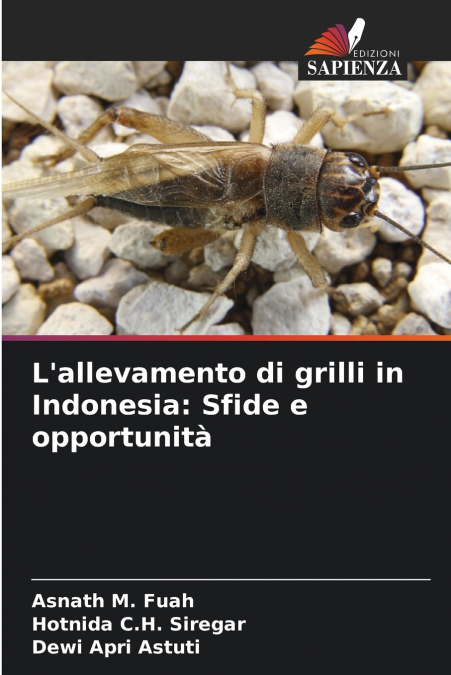
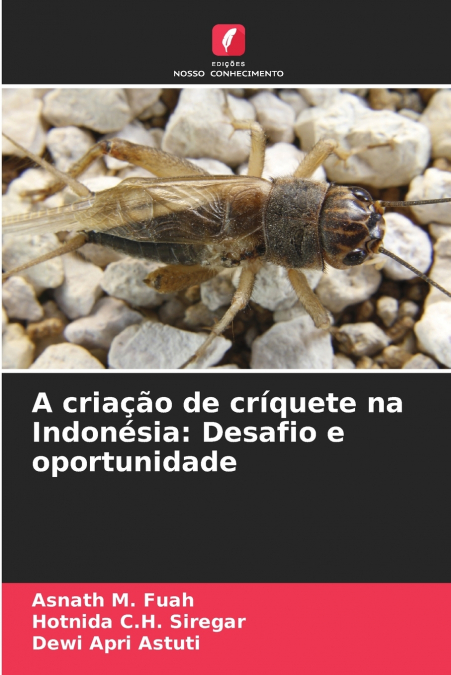
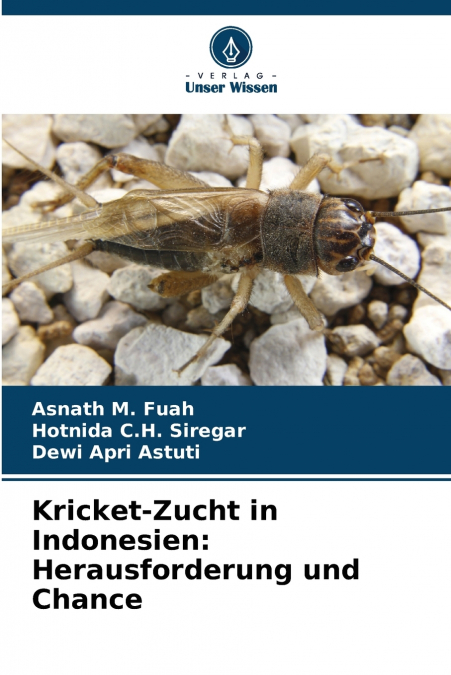
Die Grillen G. testaceus (Cliring-Grillen), G. mitratus (Cendawang-Grillen) und G. bimaculatus (Kalung-Grillen) gehören zur Insektenklasse der sogenannten „Springinsekten' und werden von Bauern in Indonesien in großem Umfang gezüchtet. Grillen verstecken sich bevorzugt an dunklen Orten und sind lichtempfindlich. Um ihnen Komfort zu bieten, verwenden die Bauern Eierschalen, getrocknete Bananenblätter und Pappen von Seidenpapierrollen. Sie sind nachtaktiv und gehen nachts auf Futtersuche, paaren sich, singen und legen Eier. Bei der Polygamie kann ein Männchen 1-5 Weibchen begatten, und die Weibchen legen innerhalb von 7-10 Tagen nach der Paarung Eier. Die durchschnittliche Eierproduktion liegt zwischen 3.154 und 4.128 Eiern pro Zyklus. Wildgrillen paaren sich mitten in der Regenzeit, wenn die Männchen einzigartige Geräusche erzeugen, um die Weibchen anzulocken. Grillen fressen Blätter, Gemüse und Früchte. Futter mit einem Proteingehalt von 20-22 % könnte den Kannibalismus verringern und das Wachstum beschleunigen. Ein hoher Proteingehalt (60-70 %) kann als Alternative zu herkömmlichen Futtermitteln für Wiederkäuer dienen. Die Verwendung von unproduktiven alten Grillen als Ersatz für Sojamehl in Lammfutterrationen ergab, dass die Nutzung von Grillenmehl bis zu 100 % erreichte. Kleine oder mittelgroße Grillenbetriebe bieten Landwirten erhebliche Einnahmen und Vorteile.

Artículos relacionados

  • The Green Architecture
    Ali Mirshafieyan / Ghazal Yeganeh / Maryam Zamani Motlagh
    Protecting green energy as well as non-renewable energy, as well as their sustainable use, many advances in the technology of extracting oil products and other reserves under the ground have caused many improvements. In this regard, proposing the design of buildings in which the consumption of fossil fuels reaches its lowest level is considered one of the important solutions in...
    Disponible

    82,54 €

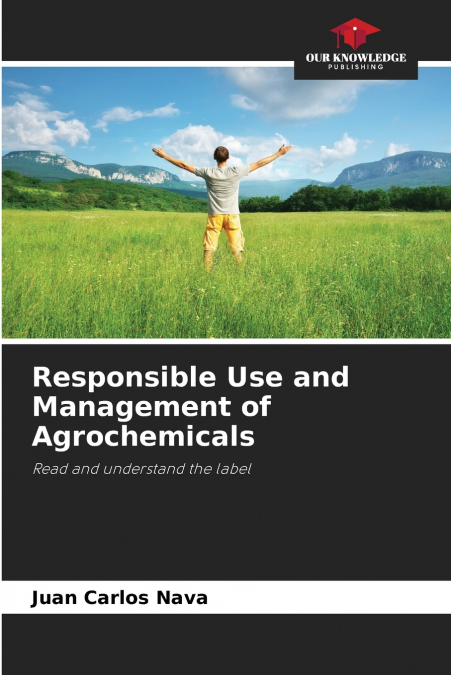
  • Responsible Use and Management of Agrochemicals
    Juan Carlos Nava
    Uso y manejo responsable de agroquímicos is a work product of the author’s experiences (undergraduate and graduate professor, with research and extension projects), aimed at producers, companies, professionals, students, advisors, researchers, among others.Due to its structure and content, it is expected to be a valuable aid to all people directly or indirectly involved in the ...
    Disponible

    49,45 €

  • Hope in the Soil
    Ellen G White
    Before edible classrooms began 'sprouting' in elementary schools, before buzzwords like 'sustainable agriculture', 'organic,' or 'veganic' came into existence, an exceptional woman named Ellen G. White penned numerous letters and articles on the importance of farming, an outdoor life, and manual labor. Though often remembered for other things, Mrs. White was actively engaged in...
    Disponible

    18,38 €

  • The Green Revolution
    Binitha Sophine Emmanuel
    The Green Revolution, a transformative era in the annals of agriculture, emerged as a game-changing force during the mid-20th century, fundamentally reshaping the methodology of food production and steering the trajectory of global food security. Characterized by a sequence of technological breakthroughs, the Green Revolution aimed to substantially augment agricultural producti...
    Disponible

    53,23 €

  • Utilization of Stingless Bees, Tetragonula laeviceps (Smith)
    Dr. J. J. Pastagia / Dr. V. C. Gadhiya
    The present investigations on utilization of stingless bees, T. laeviceps Smith in net house condition carried out with the broad aspects like flowers visited by stingless bees, T. laeviceps Smith, toxicity of insecticides to T. laeviceps Smith workers, floral biology of musk melon, foraging behavior of stingless bees, T. laeviceps Smith in net house condition, effect of pollin...
    Disponible

    84,80 €

  • La révolution verte
    Binitha Sophine Emmanuel
    La révolution verte, une ère transformatrice dans les annales de l’agriculture, est apparue comme une force qui a changé la donne au milieu du 20e siècle, remodelant fondamentalement la méthodologie de la production alimentaire et orientant la trajectoire de la sécurité alimentaire mondiale. Caractérisée par une série de percées technologiques, la révolution verte visait à augm...
    Disponible

    53,29 €

Otros libros del autor

  • L’élevage de grillons en Indonésie
    Asnath M. Fuah / Dewi Apri Astuti / Hotnida C.H. Siregar
    Classés dans la catégorie des insectes, les grillons, appelés insectes sauteurs , G. testaceus (grillons de cliring), G. mitratus (grillons de cendawang) et G. bimaculatus (grillons de kalung) sont largement cultivés par les agriculteurs indonésiens. Les grillons préfèrent se cacher dans des endroits sombres et sont sensibles à la lumière. Les agriculteurs utilisent des platea...
    Disponible

    25,50 €

  • L’allevamento di grilli in Indonesia
    Asnath M. Fuah / Dewi Apri Astuti / Hotnida C.H. Siregar
    Classificati nella classe degli insetti, i grilli, i cosiddetti 'insetti saltatori', G. testaceus (grilli cliring), G. mitratus (grilli cendawang) e G. bimaculatus (grilli kalung) sono ampiamente coltivati dagli agricoltori in Indonesia. I grilli preferiscono nascondersi in luoghi bui e sono sensibili alla luce; gli agricoltori usano vassoi per le uova, foglie di banana essicca...
    Disponible

    25,43 €

  • A criação de críquete na Indonésia
    Asnath M. Fuah / Dewi Apri Astuti / Hotnida C.H. Siregar
    Classificados na classe dos insectos, os grilos, os chamados 'insectos saltadores', G. testaceus (grilos cliring), G. mitratus (grilos cendawang) e G. bimaculatus (grilos kalung) são amplamente cultivados pelos agricultores na Indonésia. Os grilos preferem esconder-se em locais escuros e são sensíveis à luz, pelo que os agricultores utilizam tabuleiros de ovos, folhas de banane...
    Disponible

    25,50 €