 Librería Samer Atenea
 Kálamo Books
 Librería Elías (Asturias)
 Librería Kolima (Madrid)
 Librería Proteo (Málaga)
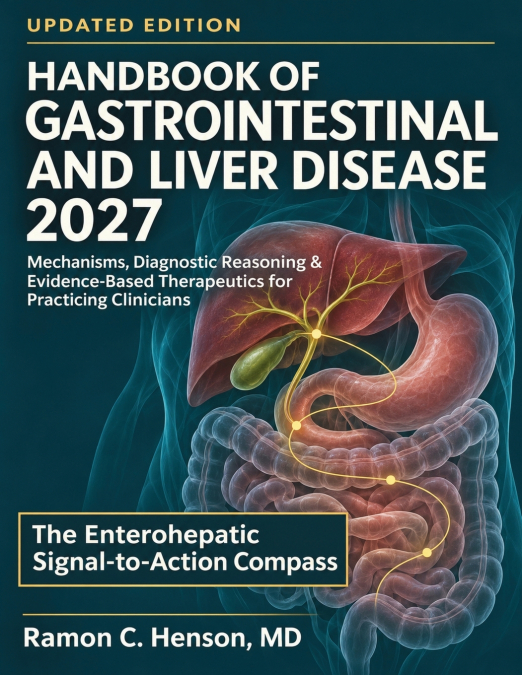
Connect Digestive Findings to the Clinical Action That Follows This 25-chapter clinical handbook links digestive anatomy, physiology, pathology, endoscopy, imaging, and laboratory interpretation to decisions across luminal, pancreaticobiliary, and hepatic care. Written for practicing clinicians and trainees, it moves from symptom localization and test selection through inflammatory bowel disorders, pancreatic and biliary disease, abnormal liver tests, portal hypertension, cancer, acute liver failure, and transplant referral. Mechanism-focused prose explains why findings occur, which discriminator changes probability, and how severity, trajectory, and physiologic reserve alter management. The Enterohepatic Signal-to-Action Compass turns each major pattern into a clinical signal, mechanism, discriminator, and action anchor, then consolidates all chapter entries in a rapid-reference section. Use the handbook to strengthen these clinical capabilities Localize dysphagia, abdominal pain, diarrhea, bleeding, jaundice, and weight loss before selecting the highest-yield test. Interpret endoscopy, capsule studies, cross-sectional imaging, histology, manometry, elastography, and liver-test patterns within clinical context. Manage reflux, peptic ulcer disease, upper and lower bleeding, malabsorption, and disorders of gut-brain interaction by mechanism. Differentiate ulcerative colitis, Crohn disease, celiac disease, colonic inflammation, and colorectal neoplasia while planning longitudinal surveillance. Recognize pancreatitis severity, duct disruption, exocrine insufficiency, cyst risk, biliary obstruction, cholangitis, and thresholds for procedural intervention. Separate viral, metabolic, alcohol-associated, autoimmune, and cholestatic injury using biochemical pattern, structural risk, and disease trajectory. Treat cirrhosis complications as linked consequences of portal pressure, circulatory dysfunction, impaired reserve, and precipitating events. Escalate focal lesions, acute failure, and decompensation to multidisciplinary cancer care or transplant evaluation before options narrow.