 Librería Samer Atenea
 Kálamo Books
 Librería Elías (Asturias)
 Librería Kolima (Madrid)
 Librería Proteo (Málaga)
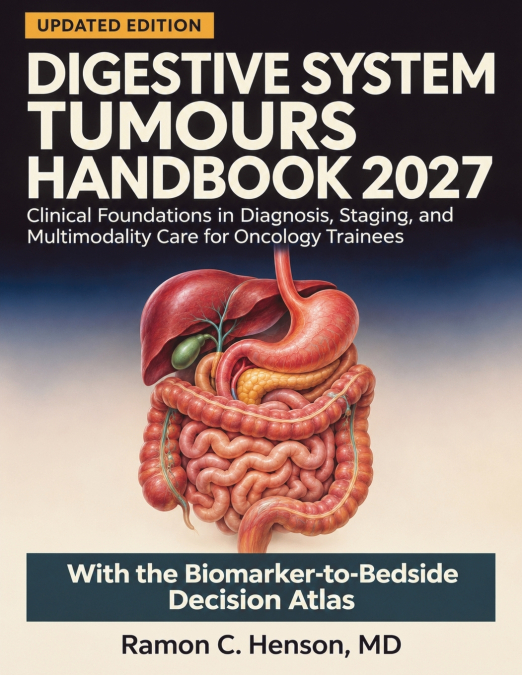
Connect Tumor Biology to the Next Defensible Clinical Decision Digestive System Tumours Handbook 2027 links classification, endoscopy, imaging, pathology, molecular testing, staging, surgery, radiation, systemic therapy, and supportive care across gastrointestinal malignancies. Written for oncology trainees and multidisciplinary clinicians, it follows disease from precursor biology through localized treatment, metastatic sequencing, recurrence, survivorship, and urgent complications. Organ-specific chapters cover luminal, hepatobiliary, pancreatic, neuroendocrine, mesenchymal, lymphoid, and peritoneal disease without losing the cross-cutting principles that make tumor-board decisions coherent. The Biomarker-to-Bedside Decision Atlas converts histology, stage, molecular findings, resectability, and host reserve into explicit management pivots and reassessment points. What This Reference Puts Into Clinical Practice Classify precursor lesions and invasive tumors - connect morphology and molecular pathways to prognosis and treatment intent. Stage disease with the right modality - use endoscopy, CT, MRI, PET, ultrasound, and pathology for defined decisions. Interpret predictive biomarkers - separate diagnostic, prognostic, hereditary, and therapy-selecting roles. Sequence multimodality care - coordinate endoscopic therapy, surgery, radiation, interventional procedures, and systemic treatment. Manage difficult junctions and rare entities - navigate ampullary, peritoneal, neuroendocrine, GIST, lymphoma, and unusual metastatic disease. Preserve treatment eligibility - address nutrition, organ reserve, toxicity, obstruction, infection, thrombosis, pain, and rehabilitation early. Recognize failure and transition points - define reassessment, salvage, palliation, survivorship, and goal-concordant care. Use it to bring anatomy, tissue, biomarkers, treatment intent, and patient priorities into one defensible plan.