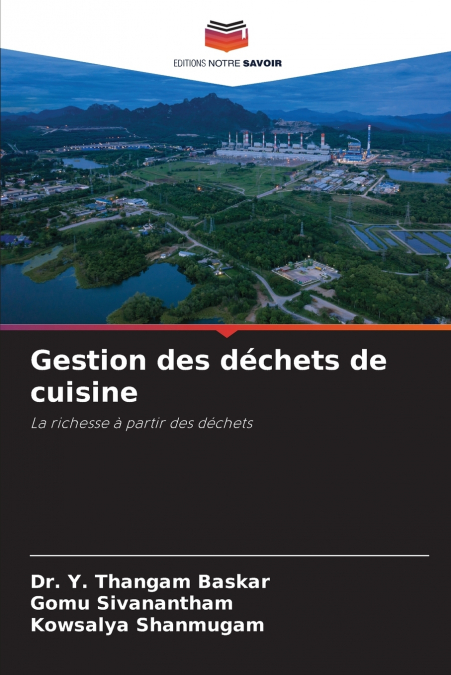
Gestion des déchets de cuisine

Gestion des déchets de cuisine

Dr. Y. Thangam Baskar / Gomu Sivanantham / Kowsalya Shanmugam

101,20 €
IVA incluido
Disponible
Editorial:
KS OmniScriptum Publishing
Año de edición:
2026
Materia
Zoología y ciencias animales
ISBN:
9786209681738
101,20 €
IVA incluido
Disponible

Selecciona una librería:

  • Librería Samer Atenea
  • Kálamo Books
  • Librería Elías (Asturias)
  • Librería Kolima (Madrid)
  • Librería Proteo (Málaga)

Un déchet est toute substance jetée après une utilisation principale, ou qui est sans valeur, défectueuse et inutile. En revanche, un sous-produit est un produit commun d’une valeur économique relativement mineure. Le gaspillage alimentaire fait souvent référence aux aliments qui ne sont pas finalement consommés par les humains et qui sont jetés ou recyclés, comme les déchets d’assiettes (c’est-à-dire les aliments qui ont été servis mais non mangés), les aliments avariés ou les écorces et les écorces considérées comme non comestibles. Le compostage, le recyclage et l’élimination appropriée sont des méthodes efficaces pour gérer les déchets de cuisine. En pratiquant ces méthodes, nous pouvons contribuer à réduire les déchets dans les décharges et à protéger l’environnement. De plus, nous pouvons également économiser de l’argent et améliorer la qualité des sols en compostant les déchets alimentaires. Il existe de nombreux noms alternatifs pour la gestion des déchets, notamment l’élimination des déchets, l’élimination des déchets et le recyclage. Une définition de la gestion des déchets désigne les activités qui comprennent la collecte, la destruction et l’élimination des déchets. Les déchets peuvent être constitués de papier, de plastique, de verre, de métal ou de matières organiques. La FAO définit le gaspillage alimentaire comme suit. Les aliments propres à la consommation humaine sont jetés, qu’ils soient conservés au-delà de leur date de péremption ou laissés à l’abandon.
Artículos relacionados

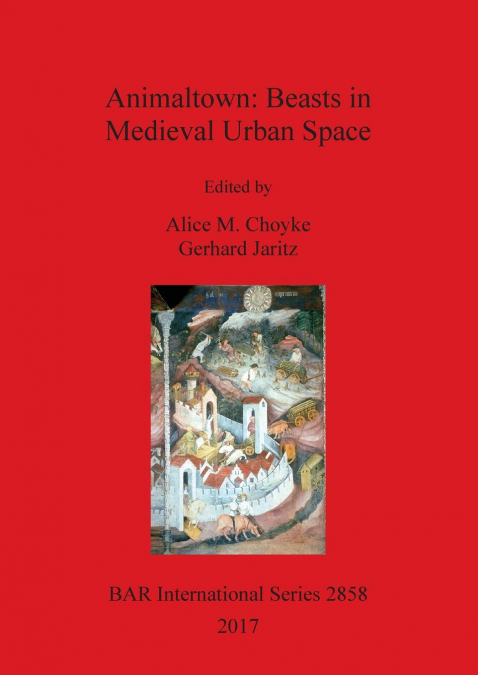
  • Animaltown
    Urban space constitutes a place where people and animals live together in close proximity with each other, creating changing landscapes of co-existence, conflict, mutual dependencies and exploitation. The medieval animals found in the articles of Animaltown: Beasts in Medieval Urban Space, appear in text and image, as well as archaeological find materials in the form of butcher...
    Disponible

    109,24 €

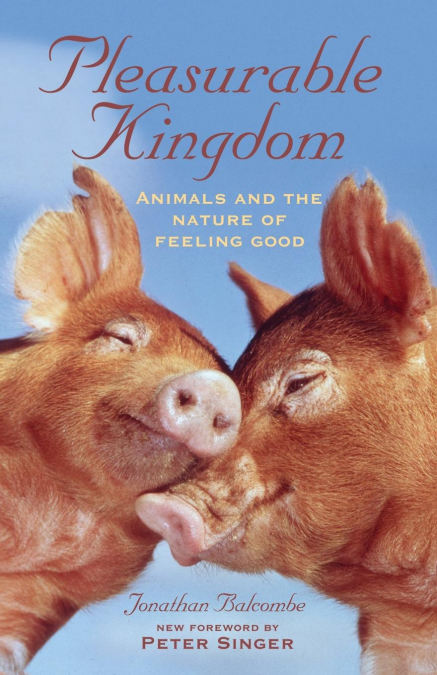
  • Pleasurable Kingdom
    Jonathan Balcombe
    Pleasurable Kingdom presents new evidence that animals--like humans--enjoy themselves. From birds to baboons, insects to iguanas, animals feel good thanks to play, sex, touch, food, anticipation, comfort, aesthetics, and more. Combining rigorous evidence, elegant argument and amusing anecdotes, leading animal behavior researcher Jonathan Balcombe shows that the possibility of p...
    Disponible

    18,96 €

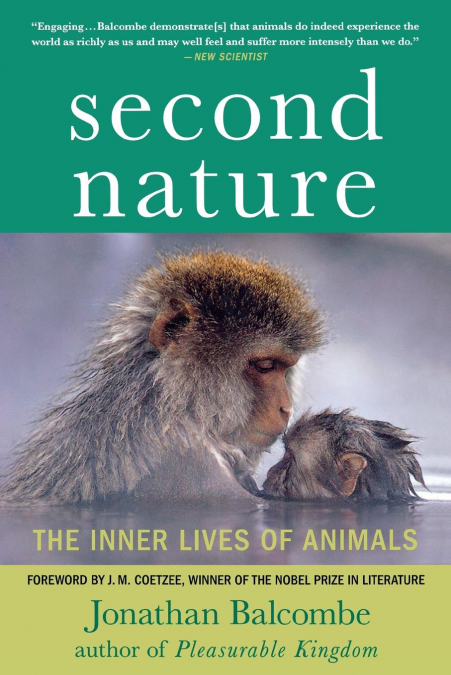
  • SECOND NATURE
    Jonathan Balcombe
    ...
    Disponible

    16,52 €

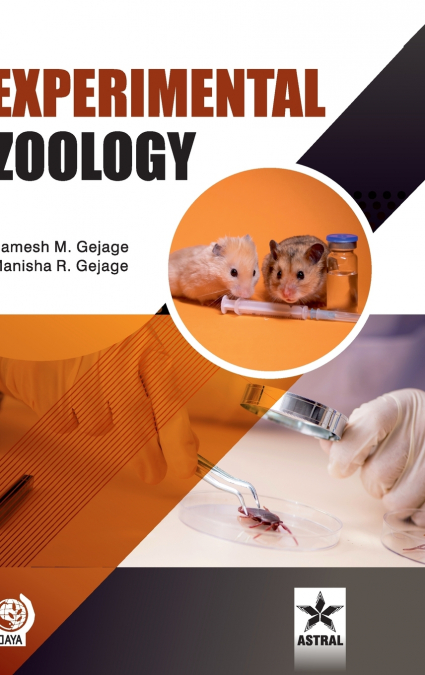
  • Experimental Zoology
    Manisha R Gejage / Ramesh M Gejage
    The goal of the book is to present the practical knowledge of Zoology. Animal diversity, venomous and non-venomous snakes, study of birds, brain of fowl and hyoid apparatus, sclerotic plates, pecten and collumella of fowl, scales of fishes, biochemical tests, activity of salivary amylase, estimation of total protein and lipid, DNA isolation and estimation of uric acid are given...
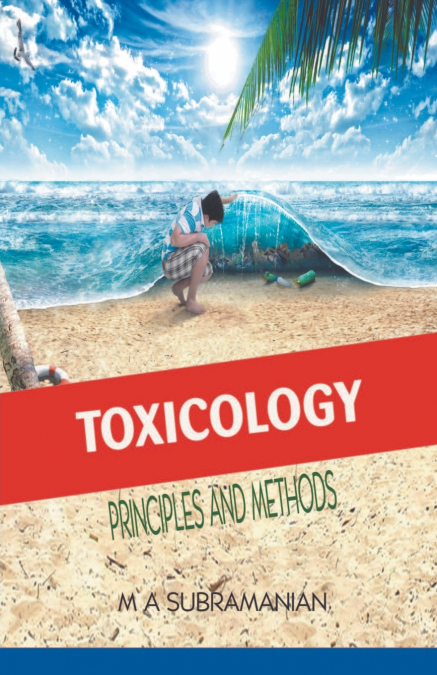
  • TOXICOLOGY
    M A SUBRAMANIAN
    In an era defined by burgeoning human populations, rampant industrialization, cutting-edge technological progress, and expanding urban landscapes, the integrity of our natural environment faces unprecedented challenges. The relentless march of progress has ushered in a flood of chemicals, seeping into the very fabric of our ecosystems and posing insidious threats to biological ...
    Disponible

    23,69 €

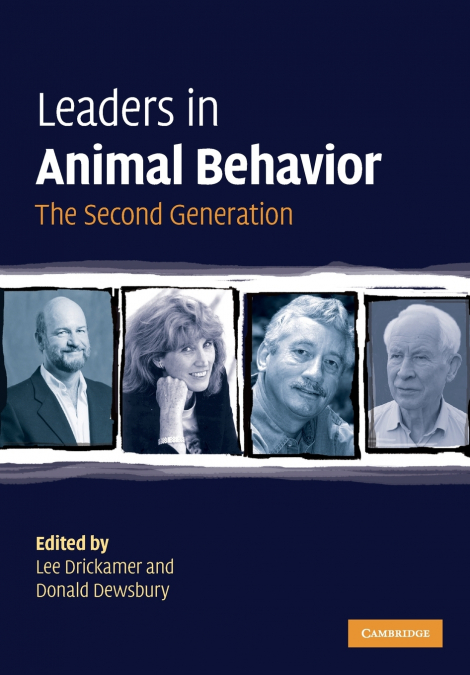
  • Leaders in Animal Behavior
    Donald Dewsbury / Lee Drickamer
    ...
    Disponible

    68,37 €

Otros libros del autor

  • Management von Küchenabfällen
    Dr. Y. Thangam Baskar / Gomu Sivanantham / Kowsalya Shanmugam
    Abfall ist jede Substanz, die nach der primären Verwendung entsorgt wird oder wertlos, fehlerhaft und nutzlos ist. Ein Nebenprodukt hingegen ist ein Gemeinschaftsprodukt von relativ geringem wirtschaftlichen Wert. Unter Lebensmittelverschwendung versteht man oft Lebensmittel, die letztendlich nicht von Menschen verzehrt werden und dann weggeworfen oder recycelt werden, wie z. B...
    Disponible

    99,96 €

  • Gestione dei rifiuti in cucina
    Dr. Y. Thangam Baskar / Gomu Sivanantham / Kowsalya Shanmugam
    Per rifiuto si intende qualsiasi sostanza scartata dopo l’uso primario, o priva di valore, difettosa e di nessuna utilità. Un sottoprodotto, invece, è un prodotto comune di valore economico relativamente minore. I rifiuti alimentari si riferiscono spesso a cibi che non vengono consumati dall’uomo e che vengono scartati o riciclati, come i rifiuti dei piatti (cioè il cibo che è ...
    Disponible

    72,39 €

  • Zarządzanie odpadami kuchennymi
    Dr. Y. Thangam Baskar / Gomu Sivanantham / Kowsalya Shanmugam
    Odpadem jest każda substancja wyrzucona po pierwotnym użyciu lub bezwartościowa, wadliwa i bezużyteczna. Z kolei produkt uboczny to wspólny produkt o stosunkowo niewielkiej wartości ekonomicznej. Odpady żywnościowe często odnoszą się do żywności, która nie jest ostatecznie spożywana przez ludzi, a która jest wyrzucana lub poddawana recyklingowi, np. odpady talerzowe (tj. żywnoś...
    Disponible

    99,96 €

  • Gestão de resíduos de cozinha
    Dr. Y. Thangam Baskar / Gomu Sivanantham / Kowsalya Shanmugam
    Um resíduo é qualquer substância descartada após a sua utilização primária, ou seja, sem valor, defeituosa e sem utilidade. Um subproduto, pelo contrário, é um produto conjunto de valor económico relativamente reduzido. Os resíduos alimentares referem-se frequentemente a alimentos que não são consumidos por seres humanos e que são deitados fora ou reciclados, tais como resíduos...
    Disponible

    72,47 €

  • Kitchen waste Management
    Dr. Y. Thangam Baskar / Gomu Sivanantham / Kowsalya Shanmugam
    Waste is any substance discarded after primary use, or is worthless, defective and of no use. A by-product, by contrast is a joint product of relatively minor economic value. Food waste often refers to food not ultimately consumed by humans that is discarded or recycled, such as plate waste (i.e., food that has been served but not eaten), spoiled food, or peels and rinds consid...
    Disponible

    66,85 €