 Librería Samer Atenea
 Kálamo Books
 Librería Elías (Asturias)
 Librería Kolima (Madrid)
 Librería Proteo (Málaga)
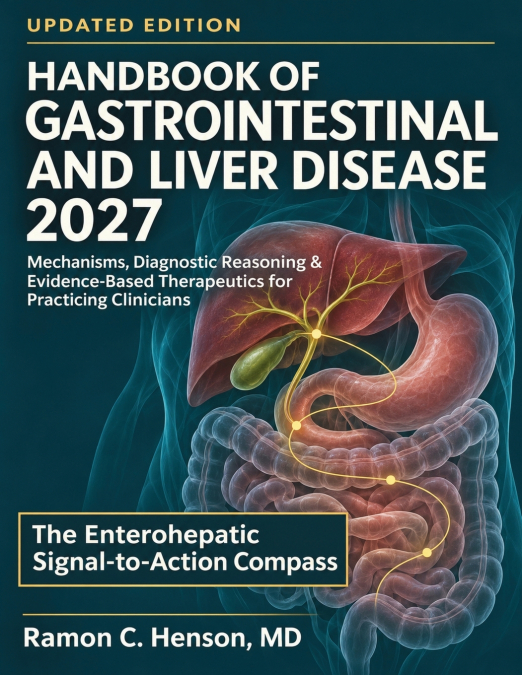
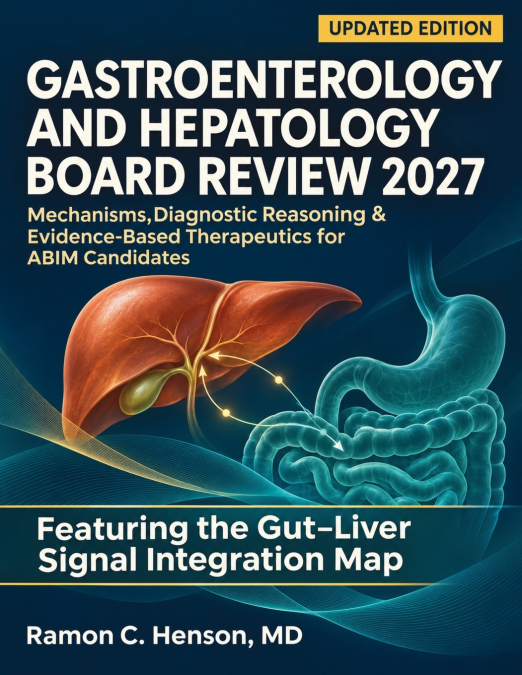
Connect digestive signals to the decisions that change care Gastroenterology and Hepatology Board Review 2027 links digestive physiology, pathology, imaging, endoscopy, and laboratory interpretation to the decisions specialists make across luminal and liver disease. Written for ABIM candidates, fellows, and practicing clinicians, its 25 chapters move from common presentations and procedural interpretation through inflammatory bowel disease, pancreatobiliary disorders, portal hypertension, liver cancer, acute liver failure, and transplant referral. Mechanism-focused prose explains why findings occur, which discriminator matters, and how severity and trajectory change management. The Gut-Liver Signal Integration Map converts chapter findings into clinical signals, mechanisms, discriminators, and action anchors, then consolidates them in a rapid-reference master section. Use the book to strengthen these clinical capabilities: Localize dysphagia, abdominal pain, diarrhea, bleeding, and jaundice before selecting the highest-yield test. Interpret endoscopy, capsule studies, cross-sectional imaging, histology, manometry, and elastography within the clinical context. Manage reflux, peptic ulcer disease, upper and lower bleeding, malabsorption, and disorders of gut-brain interaction by mechanism. Differentiate ulcerative colitis, Crohn disease, celiac disease, diverticular inflammation, and colorectal neoplasia while planning longitudinal surveillance. Recognize pancreatic and biliary obstruction, infection, cyst risk, chronic insufficiency, and the threshold for procedural intervention. Separate viral, metabolic, alcohol-associated, autoimmune, and cholestatic liver injury using trajectory and structural risk. Treat cirrhosis complications as linked consequences of portal pressure, circulatory dysfunction, impaired reserve, and precipitating events. Escalate focal liver lesions, acute liver failure, and decompensation to cancer pathways or transplant evaluation before options narrow. Carry a mechanism-based digestive and liver medicine reference into certification review and everyday clinical decisions.