 Librería Samer Atenea
 Kálamo Books
 Librería Elías (Asturias)
 Librería Kolima (Madrid)
 Librería Proteo (Málaga)
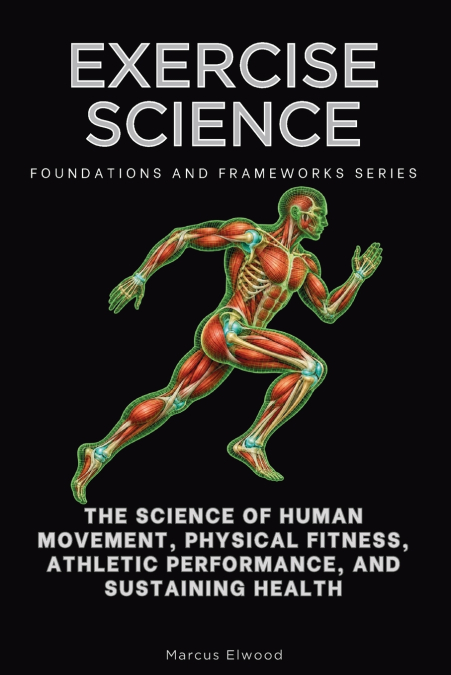
Exercise science explained one layer at a time, starting inside the muscle cell, so you understand what happens when you train, why some programs work, and how regular movement protects your health for decades. This introductory textbook builds the subject in ten chapters, each one setting up the next. It starts with muscles, bones, and energy, then turns that science into testing, training, nutrition, and lifelong health decisions. No background in biology or physics is assumed, technical terms are defined when they first appear, and the math stays simple. Real studies anchor the ideas. You meet the London bus conductors who climbed stairs all day and the HERITAGE Family Study, where nearly 500 adults on the same cycling plan got very different results. The ten chapters walk through: - How to judge whether a study deserves your trust - Bone remodeling, joints, the sliding filament theory, muscle fiber types, motor units, and the size principle that decides which fibers fire during a walk versus a heavy lift - ATP, the three energy systems, lactate thresholds, and EPOC, with a clear account of how a 100-meter sprinter and a marathoner draw on the same systems in very different proportions - Heart rate, cardiac output, VO2max, hormones, and training in heat, cold, and altitude - Biomechanics: Newton’s laws, ground reaction forces, levers, torque, and the stretch-shortening cycle, including why the ground pushes back with two to three times your body weight on every running stride - Pre-participation screening, body composition methods such as DXA and skinfolds, and writing plans with FITT-VP - Periodization, hypertrophy, endurance intensity distribution, plyometrics, and overtraining - Sports nutrition grounded in research, including protein timing, hydration, and the short list of supplements with solid evidence - Motor learning, self-determination theory, why motivation fades, and what regular activity does for depression, anxiety, and thinking - Dose-response evidence, heart disease, type 2 diabetes, pregnancy, aging, and sarcopenia, plus a 2020 study linking 8,000 daily steps to about half the risk of early death compared with 4,000 This book fits: - Students starting a kinesiology or exercise science program - Personal trainers and coaches who want to know why their methods work - Nurses, physical therapist assistants, and parents of young athletes - Adults in midlife who want to stay strong and mobile Every chapter closes with questions that ask you to apply what you read, and the back matter adds example responses, a historical timeline, a glossary of terms, and full references. Once you reach the last page, you can read a headline about a fat-burning supplement and ask the right questions: how many people were studied, who they were, and what the comparison group did. You will also know why your heart rate climbs on a hot run even when your pace holds steady. That kind of judgment lasts longer than any single workout trend.