 Librería Samer Atenea
 Kálamo Books
 Librería Elías (Asturias)
 Librería Kolima (Madrid)
 Librería Proteo (Málaga)
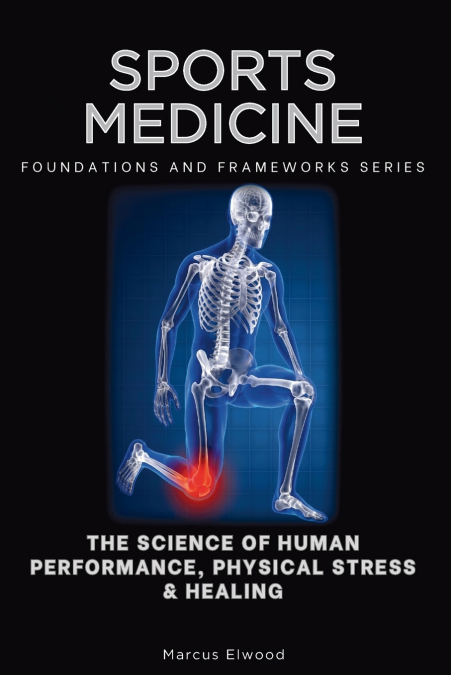
Sports medicine explained from the ground up, with no science background needed. The full picture of how the human body performs under load, how it gets injured, and how it repairs itself. The chapters build in a deliberate order, starting with the anatomy and vocabulary you need and ending with the practical work of preventing injury and returning an athlete to full activity. One principle holds the field together: tissue changes in response to the load placed on it. Ask too little of it and it wastes away. Ask the right amount and it adapts. Ask far too much and it fails. The chapters cover: - What the field covers, who does the work, and how treatment decisions get made - Skeletal muscle architecture, fiber types, motor control, and the tendons, ligaments, and fascia holding the frame together - The three energy systems, VO2 max, lactate threshold, and why a five second sprint and a two hour run burn completely different fuel - Levers, torque, gait analysis, and movement screening - Physical stress theory, mechanotransduction, the overload principle, supercompensation, and Wolff’s law of bone remodeling, using the same dose response logic that explains both a tennis player’s thickened racket arm and an astronaut losing bone density in orbit - Sprains, strains, contusions, and overuse damage, plus the intrinsic and extrinsic risk factors that explain why one athlete breaks down and another stays healthy - Inflammation, proliferation, and remodeling phase by phase, with realistic timelines for muscle, tendon, ligament, and bone, and the reasons some injuries drag on for months - Rehabilitation stages, return to play criteria, proprioception retraining, periodization, and the nutrition and monitoring habits that keep athletes competing Every chapter ends with discussion questions, and worked example answers sit near the back so you can check your reasoning. A historical timeline traces where the ideas came from, a glossary collects the terminology in one place, and a full reference list points you to the original research and to deeper reading on any chapter. The book is written for: - Students heading into athletic training, physical therapy, kinesiology, exercise science, or medicine - Coaches and personal trainers who want the biology behind the programming they already write - Runners, lifters, and weekend athletes trying to understand a nagging injury - Anyone rebuilding strength after a setback and wondering what is actually happening in the tissue Learn these principles once and the rest of the field opens up. Injury, adaptation, and recovery stop looking like separate subjects and start reading as one connected process, which makes every clinical text, coaching course, and research paper you meet afterward far easier to work through.