Inicio > Matemáticas y ciencia > Biologia, ciencias de la vida > Botánica y ciencias de las plantas > Ertrag und chemische Zusammensetzung der wichtigsten Futterbaumarten in Nepal
Ertrag und chemische Zusammensetzung der wichtigsten Futterbaumarten in Nepal

Ertrag und chemische Zusammensetzung der wichtigsten Futterbaumarten in Nepal

Naba Raj Devkota / Sujaya Upreti

45,22 €
IVA incluido
Disponible
Editorial:
KS OmniScriptum Publishing
Año de edición:
2024
Materia
Botánica y ciencias de las plantas
ISBN:
9786208046781
45,22 €
IVA incluido
Disponible

Selecciona una librería:

  • Librería Samer Atenea
  • Librería Aciertas (Toledo)
  • Kálamo Books
  • Librería Perelló (Valencia)
  • Librería Elías (Asturias)
  • Donde los libros
  • Librería Kolima (Madrid)
  • Librería Proteo (Málaga)

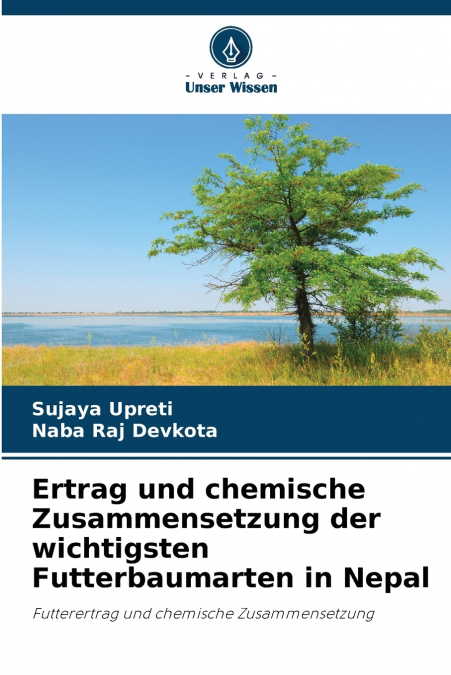
Die Viehzucht in den Hügeln und Bergen Nepals basiert auf der Verwendung von Futterbaumblättern in der Tiernahrung. Die Blätter von Futterbäumen sind die wichtigste Futterquelle für Wiederkäuer, die in der Regel während der Wintersaison von Dezember bis Mai als Ergänzung zu pflanzlichen Nebenprodukten oder grünen Gräsern gefüttert werden. Die Rangfolge der verfügbaren Futterbäume, das Produktionsniveau, die verfügbare Jahreszeit und die Schmackhaftigkeit wurden bisher noch nicht bewertet und in diesem Buch vorgestellt. Von den mehr als 500 Futterbaumarten wurden die 10 besten Futterbäume unter Berücksichtigung der saisonalen Verfügbarkeit, der Produktivität, der Vorliebe der Tiere und des Gehalts an Polyphenolen bewertet und eingestuft. Die drei ranghöchsten Futterbaumarten (1) Artocarpus lakoocha , (2) Litsea polyanthus und (3) Ficus lacor wurden ausgewählt und in eine Reihe mit den 10 Futterbaumarten gestellt, die eine gute Biomasseproduktion aufweisen, sicher für die Fütterung von Wiederkäuern sind und einen geringen Gehalt an Polyphenolen aufweisen, der im sicheren Bereich liegt. Ziel der Veröffentlichung dieses Buches ist es, morphologische, produktionstechnische und ernährungsphysiologische Informationen über ausgewählte Futterbaumarten zu liefern, die von Akademikern, Forschern, Studenten und Landwirten genutzt werden können, um die Fütterung des Viehs im Winter zu verwalten.

Artículos relacionados

  • The Green Architecture
    Ali Mirshafieyan / Ghazal Yeganeh / Maryam Zamani Motlagh
    Protecting green energy as well as non-renewable energy, as well as their sustainable use, many advances in the technology of extracting oil products and other reserves under the ground have caused many improvements. In this regard, proposing the design of buildings in which the consumption of fossil fuels reaches its lowest level is considered one of the important solutions in...
    Disponible

    82,54 €

  • Responsible Use and Management of Agrochemicals
    Juan Carlos Nava
    Uso y manejo responsable de agroquímicos is a work product of the author’s experiences (undergraduate and graduate professor, with research and extension projects), aimed at producers, companies, professionals, students, advisors, researchers, among others.Due to its structure and content, it is expected to be a valuable aid to all people directly or indirectly involved in the ...
    Disponible

    49,45 €

  • Hope in the Soil
    Ellen G White
    Before edible classrooms began 'sprouting' in elementary schools, before buzzwords like 'sustainable agriculture', 'organic,' or 'veganic' came into existence, an exceptional woman named Ellen G. White penned numerous letters and articles on the importance of farming, an outdoor life, and manual labor. Though often remembered for other things, Mrs. White was actively engaged in...
    Disponible

    18,38 €

  • The Green Revolution
    Binitha Sophine Emmanuel
    The Green Revolution, a transformative era in the annals of agriculture, emerged as a game-changing force during the mid-20th century, fundamentally reshaping the methodology of food production and steering the trajectory of global food security. Characterized by a sequence of technological breakthroughs, the Green Revolution aimed to substantially augment agricultural producti...
    Disponible

    53,23 €

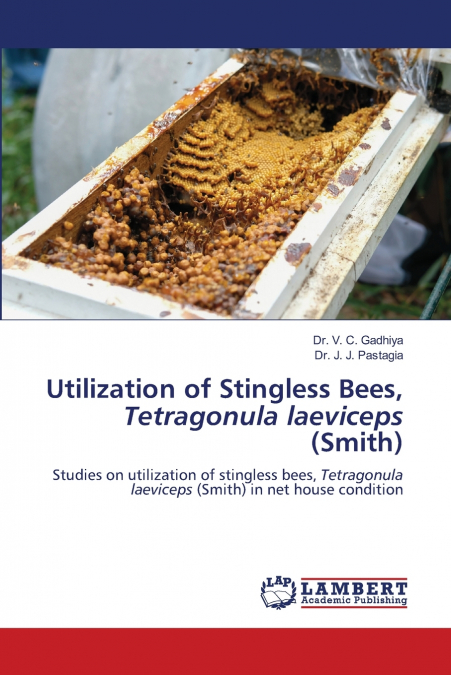
  • Utilization of Stingless Bees, Tetragonula laeviceps (Smith)
    Dr. J. J. Pastagia / Dr. V. C. Gadhiya
    The present investigations on utilization of stingless bees, T. laeviceps Smith in net house condition carried out with the broad aspects like flowers visited by stingless bees, T. laeviceps Smith, toxicity of insecticides to T. laeviceps Smith workers, floral biology of musk melon, foraging behavior of stingless bees, T. laeviceps Smith in net house condition, effect of pollin...
    Disponible

    84,80 €

  • La révolution verte
    Binitha Sophine Emmanuel
    La révolution verte, une ère transformatrice dans les annales de l’agriculture, est apparue comme une force qui a changé la donne au milieu du 20e siècle, remodelant fondamentalement la méthodologie de la production alimentaire et orientant la trajectoire de la sécurité alimentaire mondiale. Caractérisée par une série de percées technologiques, la révolution verte visait à augm...
    Disponible

    53,29 €

Otros libros del autor

  • Rendement et composition chimique des principales espèces d’arbres fourragers au Népal
    Naba Raj Devkota / Sujaya Upreti
    Le système d’élevage dans les collines et les montagnes du Népal est basé sur l’utilisation du feuillage des arbres fourragers dans l’alimentation des animaux. Les feuilles des arbres fourragers constituent la principale source d’alimentation des ruminants, généralement en complément des produits dérivés des cultures ou des herbes vertes, pendant les saisons hivernales, de déce...
    Disponible

    45,22 €

  • Resa e composizione chimica delle principali specie di alberi da foraggio in Nepal
    Naba Raj Devkota / Sujaya Upreti
    Il sistema di allevamento del bestiame nelle zone collinari e montane del Nepal si basa sull’uso del fogliame degli alberi da foraggio nella dieta degli animali. Le foglie degli alberi da foraggio sono la principale fonte di alimentazione dei ruminanti, di solito somministrate come supplemento ai prodotti delle colture o alle erbe verdi, durante le stagioni invernali da dicembr...
    Disponible

    45,16 €

  • Rendimento e composição química das principais espécies de árvores forrageiras no Nepal
    Naba Raj Devkota / Sujaya Upreti
    O sistema de criação de gado nas colinas e montanhas do Nepal baseia-se na utilização de folhagem de árvores forrageiras na alimentação dos animais. As folhas das árvores forrageiras são a principal fonte de alimentação dos ruminantes, normalmente como suplemento de produtos vegetais ou de gramíneas verdes, durante as estações de inverno, de dezembro a maio. A classificação das...
    Disponible

    45,22 €