Inicio > Matemáticas y ciencia > Biologia, ciencias de la vida > Botánica y ciencias de las plantas > Zarządzanie chorobą zgnilizny szyjki nasadowej ciecierzycy
Zarządzanie chorobą zgnilizny szyjki nasadowej ciecierzycy

Zarządzanie chorobą zgnilizny szyjki nasadowej ciecierzycy

Arshad Javaid / Iqra Haider Khan

74,95 €
IVA incluido
Disponible
Editorial:
KS OmniScriptum Publishing
Año de edición:
2025
Materia
Botánica y ciencias de las plantas
ISBN:
9786208494353
74,95 €
IVA incluido
Disponible

Selecciona una librería:

  • Librería Samer Atenea
  • Librería Aciertas (Toledo)
  • Kálamo Books
  • Librería Perelló (Valencia)
  • Librería Elías (Asturias)
  • Donde los libros
  • Librería Kolima (Madrid)
  • Librería Proteo (Málaga)

Ciecierzyca (Cicer arietinum L.), ważna roślina strączkowa, jest dobrym źródłem węglowodanów i białek. Sclerotium rolfsii to patogen glebowy, który powoduje chorobę zgnilizny szyjki nasady u ciecierzycy, co prowadzi do znacznych strat plonów. W niniejszym badaniu do zwalczania choroby zgnilizny szyjki nasady ciecierzycy wykorzystano chemiczne fungicydy oraz suchą biomasę Melia azedarach i Azadirachta indica. Fungicydy tebukonazol, menkozeb i tiofanat metylowy okazały się bardzo skuteczne w zwalczaniu patogenu grzybowego. W badaniach biologicznych in vitro różnych stężeń (0, 0,5, 1,0, ..., 3,5%) metanolowych ekstraktów z liści i owoców M. azedarach oraz ekstraktu z liści A. indica zmniejszyły biomasę grzybów odpowiednio o 92-94%, 81-84% i 86-90%. Eksperymenty in vivo przeprowadzono w plastikowych doniczkach, z których każda zawierała 1 kg gleby piaszczysto-gliniastej. Gleba w doniczkach została wzbogacona suchą biomasą liści M. azedarach i A. indica w stężeniu 1, 2 i 3% w/w. Wzbogacenie gleby znacznie zmniejszyło śmiertelność roślin spowodowaną przez S. rolfsii i poprawiło wzrost upraw. Książka ta jest bardzo przydatna dla osób zainteresowanych rolnictwem ekologicznym.
Artículos relacionados

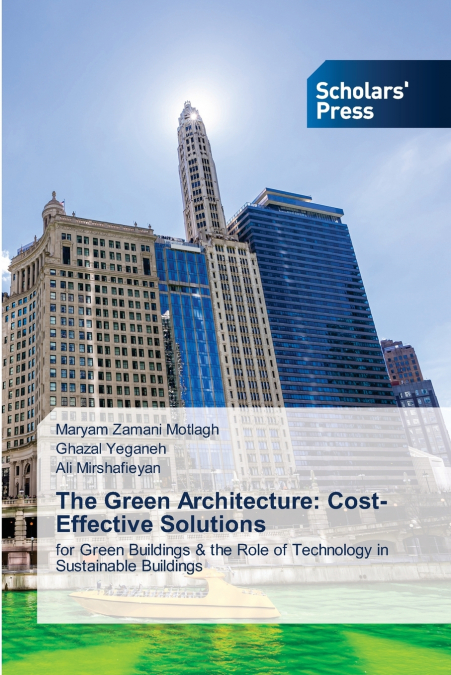
  • The Green Architecture
    Ali Mirshafieyan / Ghazal Yeganeh / Maryam Zamani Motlagh
    Protecting green energy as well as non-renewable energy, as well as their sustainable use, many advances in the technology of extracting oil products and other reserves under the ground have caused many improvements. In this regard, proposing the design of buildings in which the consumption of fossil fuels reaches its lowest level is considered one of the important solutions in...
    Disponible

    82,54 €

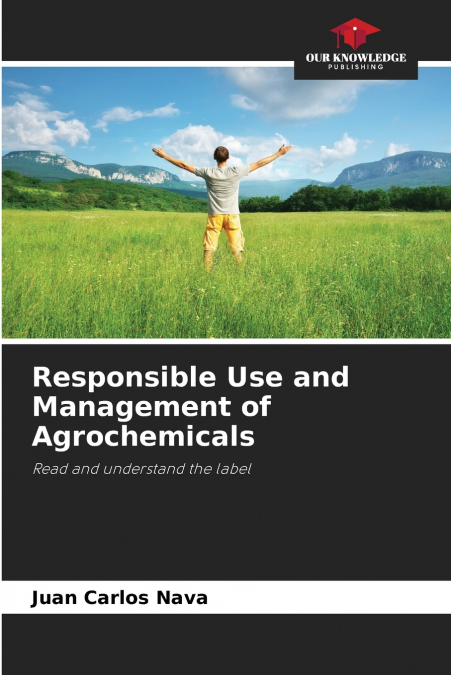
  • Responsible Use and Management of Agrochemicals
    Juan Carlos Nava
    Uso y manejo responsable de agroquímicos is a work product of the author’s experiences (undergraduate and graduate professor, with research and extension projects), aimed at producers, companies, professionals, students, advisors, researchers, among others.Due to its structure and content, it is expected to be a valuable aid to all people directly or indirectly involved in the ...
    Disponible

    49,45 €

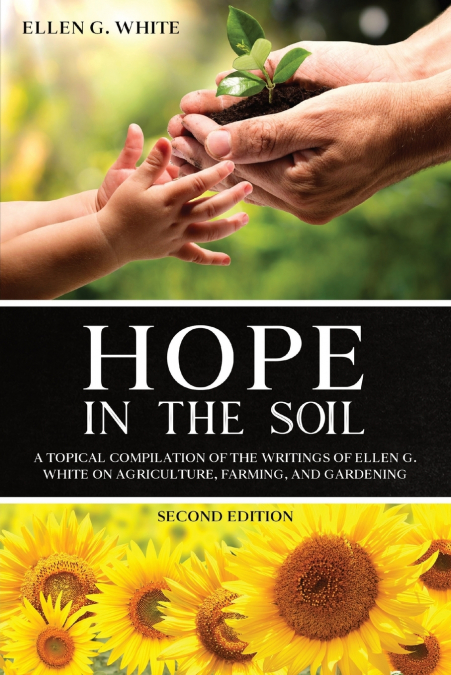
  • Hope in the Soil
    Ellen G White
    Before edible classrooms began 'sprouting' in elementary schools, before buzzwords like 'sustainable agriculture', 'organic,' or 'veganic' came into existence, an exceptional woman named Ellen G. White penned numerous letters and articles on the importance of farming, an outdoor life, and manual labor. Though often remembered for other things, Mrs. White was actively engaged in...
    Disponible

    18,38 €

  • The Green Revolution
    Binitha Sophine Emmanuel
    The Green Revolution, a transformative era in the annals of agriculture, emerged as a game-changing force during the mid-20th century, fundamentally reshaping the methodology of food production and steering the trajectory of global food security. Characterized by a sequence of technological breakthroughs, the Green Revolution aimed to substantially augment agricultural producti...
    Disponible

    53,23 €

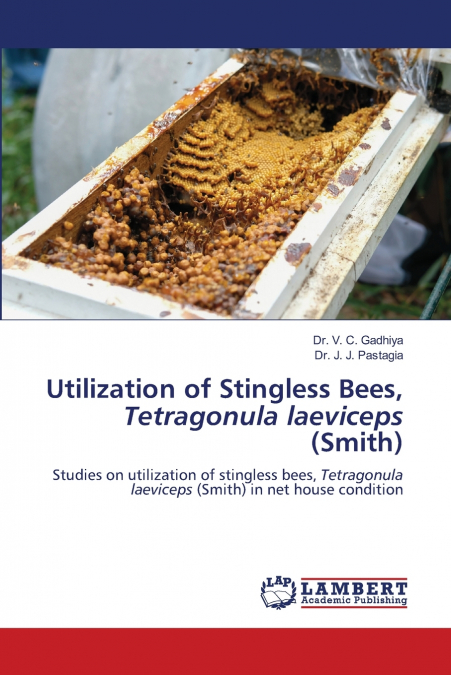
  • Utilization of Stingless Bees, Tetragonula laeviceps (Smith)
    Dr. J. J. Pastagia / Dr. V. C. Gadhiya
    The present investigations on utilization of stingless bees, T. laeviceps Smith in net house condition carried out with the broad aspects like flowers visited by stingless bees, T. laeviceps Smith, toxicity of insecticides to T. laeviceps Smith workers, floral biology of musk melon, foraging behavior of stingless bees, T. laeviceps Smith in net house condition, effect of pollin...
    Disponible

    84,80 €

  • La révolution verte
    Binitha Sophine Emmanuel
    La révolution verte, une ère transformatrice dans les annales de l’agriculture, est apparue comme une force qui a changé la donne au milieu du 20e siècle, remodelant fondamentalement la méthodologie de la production alimentaire et orientant la trajectoire de la sécurité alimentaire mondiale. Caractérisée par une série de percées technologiques, la révolution verte visait à augm...
    Disponible

    53,29 €

Otros libros del autor

  • Gestão da doença da podridão do colo do grão-de-bico
    Arshad Javaid / Iqra Haider Khan
    O grão-de-bico (Cicer arietinum L.), um importante legume, é uma boa fonte de hidratos de carbono e proteínas. O Sclerotium rolfsii é um patógeno do solo que causa a doença da podridão do colo no grão-de-bico, resultando em perdas significativas de rendimento. No presente estudo, fungicidas químicos e biomassa seca de Melia azedarach e Azadirachta indica foram utilizados para c...
    Disponible

    74,95 €

  • Bekämpfung der Kragenfäule bei Kichererbsen
    Arshad Javaid / Iqra Haider Khan
    Kichererbsen (Cicer arietinum L.) sind eine wichtige Hülsenfrucht und eine gute Quelle für Kohlenhydrate und Proteine. Sclerotium rolfsii ist ein bodenbürtiger Erreger, der bei Kichererbsen die Kraut- und Knollenfäule verursacht und zu erheblichen Ernteausfällen führt. In der vorliegenden Studie wurden chemische Fungizide und trockene Biomasse von Melia azedarach und Azadiracht...
    Disponible

    75,02 €

  • Gestion de la pourriture du collet du pois chiche
    Arshad Javaid / Iqra Haider Khan
    Le pois chiche (Cicer arietinum L.), une légumineuse importante, est une bonne source de glucides et de protéines. Sclerotium rolfsii est un pathogène présent dans le sol qui provoque la pourriture du collet chez le pois chiche, entraînant des pertes de rendement importantes. Dans la présente étude, des fongicides chimiques et de la biomasse sèche de Melia azedarach et Azadirac...
    Disponible

    75,02 €

  • Gestione della malattia del colletto marcio del ceci
    Arshad Javaid / Iqra Haider Khan
    Il ceci (Cicer arietinum L.), un importante legume, è una buona fonte di carboidrati e proteine. Lo Sclerotium rolfsii è un agente patogeno presente nel suolo che causa la malattia del colletto nei ceci, con conseguenti perdite significative di resa. Nel presente studio, sono stati utilizzati fungicidi chimici e biomassa secca di Melia azedarach e Azadirachta indica per control...
    Disponible

    74,95 €