 Librería Samer Atenea
 Kálamo Books
 Librería Elías (Asturias)
 Librería Kolima (Madrid)
 Librería Proteo (Málaga)
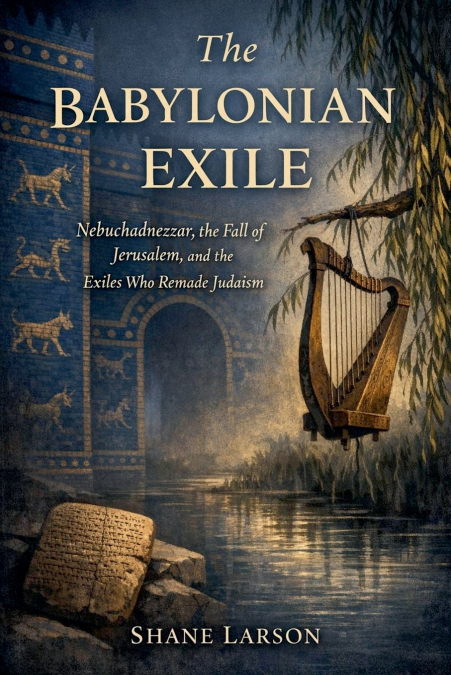
The last king of Judah turns up, in the archaeological record, on a Babylonian ration list: oil for himself and his five sons.In 597 BC Nebuchadnezzar took Jerusalem and carried off its king, its craftsmen and a young priest named Ezekiel. Ten years later the city rebelled, was starved, breached and burned, and the temple of Solomon went with it. The exile is usually told as a lament: captives by the rivers of Babylon with their harps hung on the willows. That happened, and this book tells it, from the signal fires in the Lachish Letters to the arrowheads still lying in the ash of Jerusalem.But the clay tablets tell a second half. Some two hundred contracts from a Babylonian village called Judahtown follow Judean families across four generations as they lease land, pay taxes, borrow silver and name their children for their God. When Cyrus of Persia let them go home, most of them stayed. A people that had lost its king, its land and its temple came out of Babylon with something that needed none of the three.What you’ll learn:How the Babylonian Chronicle and the Book of Kings date the same siege to the same weeksWhat the burned houses, sealings and ostraca of 587/586 BC recordWhat the Judahtown tablets show, and the problem of where they came fromWho stayed in Judah, who fled to Egypt, and what became of eachWhat the Cyrus Cylinder says and what it does notWhere scholars and tradition differ on Isaiah, Daniel and the making of the Bible, with both sides statedThis book is for you if you know Jeremiah, Ezekiel, Daniel and Psalm 137 and want the history and archaeology behind them, told from the evidence, with Scripture quoted in the King James Version and the open questions left open.The lament and the ledger are both true. Read them side by side.