 Librería Samer Atenea
 Kálamo Books
 Librería Elías (Asturias)
 Librería Kolima (Madrid)
 Librería Proteo (Málaga)
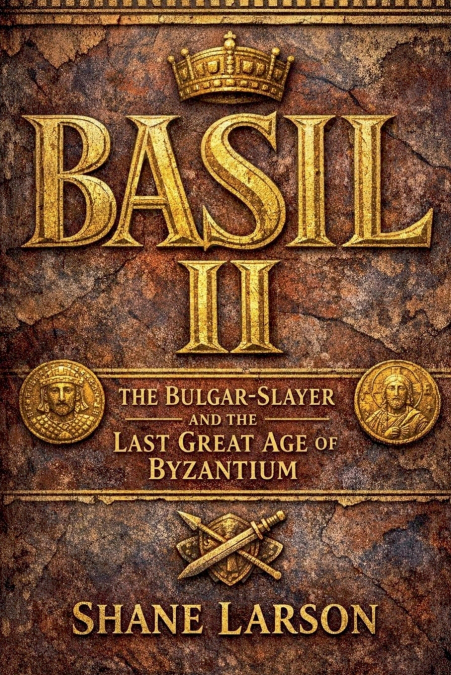
He is remembered for blinding fifteen thousand prisoners. The number was written down seventy years later, and nobody called him the Bulgar-Slayer while he was alive.Basil II was born in the purple in 958 and crowned at two. For the next quarter of a century other men ruled in his name: two generals who married into his family, then a eunuch great-uncle. When he finally took power he lost his first battle, and within a year two rebel armies held all of Asia Minor. He survived by sending his sister north to marry a pagan prince of Kyiv in exchange for six thousand Norse soldiers, a bargain that also baptized the Rus.After that he never stopped. He took no wife, kept no court, and campaigned almost every year for three decades, from the passes of the Balkans to Aleppo and the Caucasus. He ground down Tsar Samuel’s Bulgaria fortress by fortress, then governed it with a restraint the legend leaves out. He died in 1025 with the treasury full and the empire larger than it had been in four centuries. He left no heir, and within fifty years most of Asia Minor was gone.Inside: the civil wars that nearly ended his reign; the bargain with Kyiv, told from Constantinople; the long war with Samuel; the battle of Kleidion and the evidence for and against the mass blinding, set out and not settled; the laws, taxes and treasury of a state built around one man; and how a twelfth-century nickname became a modern national argument.For readers of Byzantine, medieval and military history who want the sources named, the gaps admitted, and the man separated from the legend.