Inicio > Matemáticas y ciencia > Biologia, ciencias de la vida > Botánica y ciencias de las plantas > Studien zur Heilung und Akklimatisierung von Chili (Capsicum annuum L.)
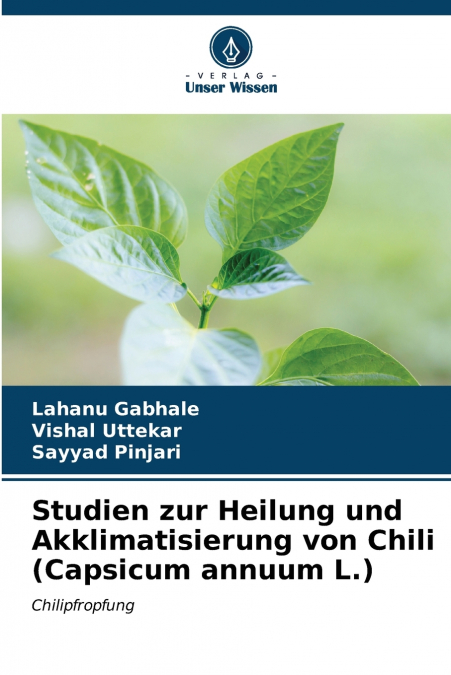
Studien zur Heilung und Akklimatisierung von Chili (Capsicum annuum L.)

Studien zur Heilung und Akklimatisierung von Chili (Capsicum annuum L.)

Lahanu Gabhale / Sayyad Pinjari / Vishal Uttekar

59,51 €
IVA incluido
Consulta disponibilidad
Editorial:
KS OmniScriptum Publishing
Año de edición:
2023
Materia
Botánica y ciencias de las plantas
ISBN:
9786206614234

Selecciona una librería:

  • Librería Desdémona
  • Librería Samer Atenea
  • Librería Aciertas (Toledo)
  • Kálamo Books
  • Librería Perelló (Valencia)
  • Librería Elías (Asturias)
  • Donde los libros
  • Librería Kolima (Madrid)
  • Librería Proteo (Málaga)

Chili (Capsicum annuum L.) gehört zur Familie der Nachtschattengewächse (Solanaceae) mit diploiden Arten mit 2n=2x=24 Chromosomen. Chili kann in tropischen und subtropischen Regionen mit warmem und feuchtem Klima und Temperaturen zwischen 20 und 25 ºC angebaut werden. Diese abiotischen und biotischen Faktoren beeinträchtigen sowohl das Wachstum als auch die Produktion von Chili. Um die Anbaufläche und die Produktivität der Chiliproduktion zu steigern, ist es wichtig, diese Probleme zu mildern und die erwünschten Effekte zu erzielen. Um die meisten biotischen und abiotischen Stressfaktoren in den Griff zu bekommen, kann die Veredelung von Chilis eine mögliche Lösung darstellen. Im Durchschnitt dauert es 5 bis 8 Tage, bis die Veredelung einer krautigen Pflanze eine vaskuläre Verbindung zwischen Unterlage und Edelreis entwickelt hat. Viele Züchter und Veredelungsforscher bauen Heilkammern, die für die Schaffung einer optimalen Heilungsumgebung wirtschaftlich sind. Die Aufrechterhaltung von Temperaturen im optimalen Bereich (25ºC bis 28ºC) und einer hohen relativen Luftfeuchtigkeit (>95%) ist bei der Einheilung von Gemüsepfropfreisern von größter Bedeutung. Die Akklimatisierung der Pfropfreiser ist die wichtigste Maßnahme nach der Einheilung dieser Pfropfreiser, und dies kann geschehen, indem die Pfropfreiser schrittweise einer niedrigen Luftfeuchtigkeit (niedriger als die Luftfeuchtigkeit in der Heilkammer), hoher Lichtintensität und Temperatur ausgesetzt werden.
Artículos relacionados

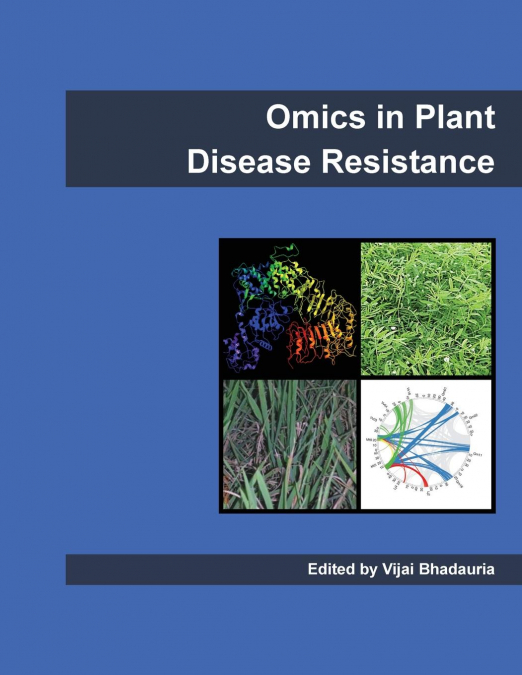
  • Omics in Plant Disease Resistance
    Vijai Bhadauria
    ...
  • Suitable Microbial Strain for Enhanced Production of Laccase
    Lalit Kumar Singh
    Enzymes are known to humanity since ancient times and getting increased impetus in the recent years due to its increasing importance in industries. Proteins enzymes are essentially created by living things to control their biochemical activities. Enzymes can also be thought of as catalysts that speed up biological reactions on their own. Based on their catalysed reaction types,...
  • Abiotic Stress Management
    J. B. GAJERA / S. J. DEVRA / S. P. KACHHADIYA
    'Abiotic Stress Management for Resilient Agriculture' offers a comprehensive guide to addressing environmental challenges in agriculture. This book explores innovative strategies and cutting-edge research to mitigate the impact of abiotic stresses such as drought, salinity, and extreme temperatures on crops. It provides practical insights into sustainable agricultural practices...
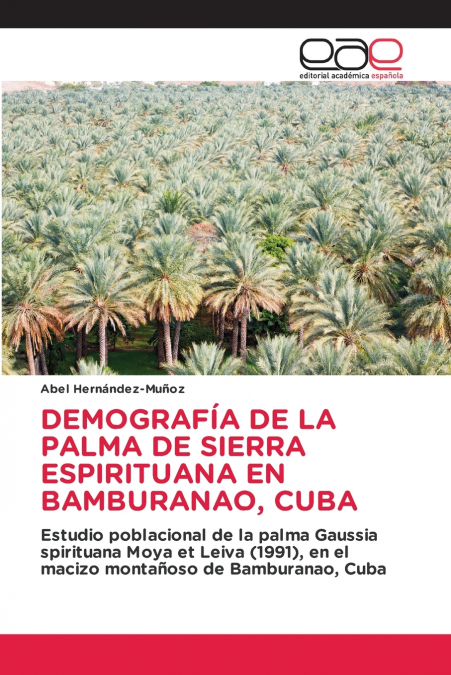
  • DEMOGRAFÍA DE LA PALMA DE SIERRA ESPIRITUANA EN BAMBURANAO, CUBA
    Abel Hernández-Muñoz
    Las poblaciones vegetales constituyen en muchos casos, fuentes importantes de recursos en los aspectos agropecuarios, forestales, recreativos y como refugio de fauna, por ello, su estudio es un aspecto necesario a abordar. Dentro de las características de las poblaciones de plantas en general, la densidad y distribución son importantes. La presente obra constituye el primer est...
  • The Green Architecture
    Ali Mirshafieyan / Ghazal Yeganeh / Maryam Zamani Motlagh
    Protecting green energy as well as non-renewable energy, as well as their sustainable use, many advances in the technology of extracting oil products and other reserves under the ground have caused many improvements. In this regard, proposing the design of buildings in which the consumption of fossil fuels reaches its lowest level is considered one of the important solutions in...
    Disponible

    82,54 €

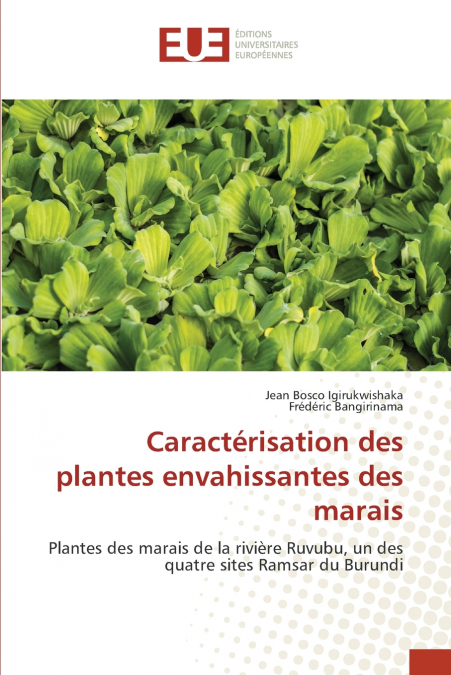
  • Caractérisation des plantes envahissantes des marais
    Frédéric BANGIRINAMA / Jean Bosco Igirukwishaka
    Les invasions biologiques constituent la seconde source de destruction des écosystèmes. Mais les connaissances sur les taxons envahissants restent lacunaires au Burundi. Pour appuyer les gestionnaires des plantes envahissantes, une étude a été conduite dans les marais de la rivière Ruvubu, la plus importante rivière du Burundi. L’objectif étant de : Faire un inventaire floristi...

Otros libros del autor

  • Erzeugung von Chili-Setzlingen durch Pfropfen
    Lahanu Gabhale / Sayyad Pinjari / Vishal Uttekar
    Chili (Capsicum annuum L.) gehört zur Familie der Nachtschattengewächse (Solanaceae) mit diploiden Arten mit 2n=2x=24 Chromosomen. Chili stammt ursprünglich aus Südamerika und wurde im siebzehnten Jahrhundert von den Portugiesen in Indien eingeführt. Chili ist eine krautige oder halb verholzte einjährige Pflanze mit Früchten, die sich in Form, Größe, Farbe und Schärfegrad unter...
    Disponible

    75,39 €

  • Producción de plántulas de chile mediante injerto
    Lahanu Gabhale / Sayyad Pinjari / Vishal Uttekar
    El chile (Capsicum annuum L.) pertenece a la familia de las solanáceas y es una especie diploide con 2n=2x=24 cromosomas. El chile es originario de Sudamérica y en el siglo XVII fue introducido en la India por los portugueses. El chile es una planta herbácea o semileñosa anual cuyos frutos varían en forma, tamaño, color y grado de pungencia. El cultivo de chile tiene varios fac...
    Disponible

    75,39 €

  • Production de plants de piment par greffage
    Lahanu Gabhale / Sayyad Pinjari / Vishal Uttekar
    Le piment (Capsicum annuum L.) appartient à la famille des solanacées et possède des espèces diploïdes avec 2n=2x=24 chromosomes. Le piment est originaire d’Amérique du Sud et a été introduit en Inde par les Portugais au XVIIe siècle. Le piment est une plante annuelle herbacée ou semi-boisée dont les fruits varient en forme, en taille, en couleur et en degré d’âcreté. La cultur...
    Disponible

    75,39 €

  • Produzione di piantine di peperoncino tramite innesto
    Lahanu Gabhale / Sayyad Pinjari / Vishal Uttekar
    Il peperoncino (Capsicum annuum L.) appartiene alla famiglia delle solanacee e presenta specie diploidi con 2n=2x=24 cromosomi. Il peperoncino è originario del Sud America e nel XVII secolo è stato introdotto in India dai portoghesi. Il peperoncino è una pianta annuale erbacea o semilegnosa con frutti che variano per forma, dimensione, colore e grado di piccantezza. La coltivaz...
    Disponible

    75,39 €

  • Produção de mudas de pimentão por enxertia
    Lahanu Gabhale / Sayyad Pinjari / Vishal Uttekar
    A malagueta (Capsicum annuum L.) pertence à família das solanáceas, tendo espécies diplóides com 2n=2x=24 cromossomas. A malagueta é originária da América do Sul e, no século XVII, foi introduzida na Índia pelos portugueses. A malagueta é uma planta anual herbácea ou semi-lenhosa cujos frutos variam em forma, tamanho, cor e grau de pungência. A cultura da malagueta tem vários f...
    Disponible

    75,39 €

  • Production Of Chilli Seedlings Through Grafting
    Lahanu Gabhale / Sayyad Pinjari / Vishal Uttekar
    Chilli (Capsicum annuum L.) belongs to the family solanaceae having diploid species with 2n=2x=24 chromosomes. Chilli is originated in South America and in the seventeenth century it was introduced in India by Portuguese. Chilli is a herbaceous or semi woody annual plant with fruits vary in shape, size, colour and degree of pungency. Chilli cultivation has various limiting fact...
    Disponible

    75,65 €