Inicio > Matemáticas y ciencia > Biologia, ciencias de la vida > Botánica y ciencias de las plantas > Risposta del miglio perlato all’irrigazione, all’azoto e al fosforo
Risposta del miglio perlato all’irrigazione, all’azoto e al fosforo

Risposta del miglio perlato all’irrigazione, all’azoto e al fosforo

B. B. Kaneria / H. M. Bhuva / Satyakumari Sharma

83,10 €
IVA incluido
Disponible
Editorial:
KS OmniScriptum Publishing
Año de edición:
2025
Materia
Botánica y ciencias de las plantas
ISBN:
9786202429849
83,10 €
IVA incluido
Disponible

Selecciona una librería:

  • Librería Samer Atenea
  • Librería Aciertas (Toledo)
  • Kálamo Books
  • Librería Perelló (Valencia)
  • Librería Elías (Asturias)
  • Donde los libros
  • Librería Kolima (Madrid)
  • Librería Proteo (Málaga)

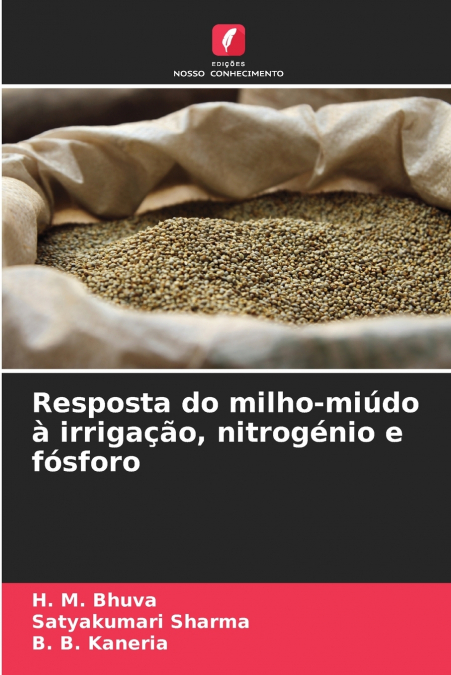
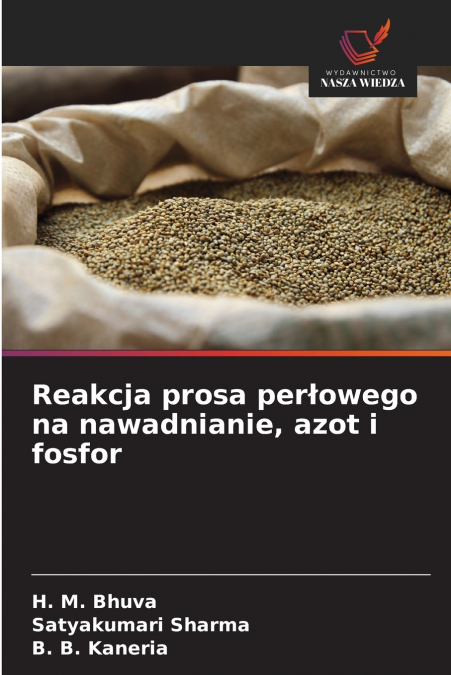
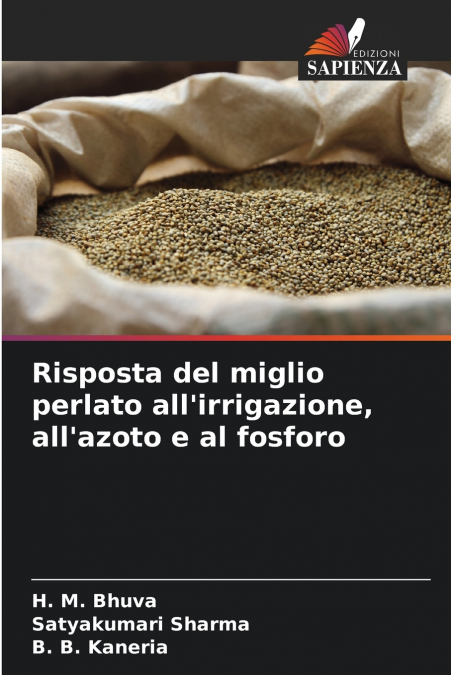
Il miglio perlato [Pennisetum glaucum (L.) R. Br. emend. Stuntz], comunemente noto come bajra, è un’importante coltura di miglio resistente alla siccità, coltivata principalmente nelle zone aride e semi-aride su terreni sabbiosi di consistenza leggera. È una coltura a duplice scopo: i chicchi sono utilizzati per il consumo umano e il foraggio come mangime per il bestiame. I chicchi di miglio perlato vengono consumati cotti come il riso o utilizzati per preparare 'chapati' con farina simile a quella di grano o mais, ma anche come mangime per pollame e foraggio verde o karbi secco per il bestiame. L’India è il maggiore produttore di miglio perlato con una produzione annua di 10,05 milioni di tonnellate su una superficie di 8,69 milioni di ettari e una produttività di 1156 kg ha-1. Il Rajasthan, il Maharashtra, il Gujarat, l’Uttar Pradesh e l’Haryana sono i principali stati produttori di miglio perlato. La programmazione scientifica dell’irrigazione è una tecnica per determinare la quantità di acqua necessaria, che mira anche a ottimizzare la resa delle colture con la massima efficienza nell’uso dell’acqua e garantisce il minimo deterioramento del suolo e delle colture.

Artículos relacionados

  • The Green Architecture
    Ali Mirshafieyan / Ghazal Yeganeh / Maryam Zamani Motlagh
    Protecting green energy as well as non-renewable energy, as well as their sustainable use, many advances in the technology of extracting oil products and other reserves under the ground have caused many improvements. In this regard, proposing the design of buildings in which the consumption of fossil fuels reaches its lowest level is considered one of the important solutions in...
    Disponible

    82,54 €

  • Responsible Use and Management of Agrochemicals
    Juan Carlos Nava
    Uso y manejo responsable de agroquímicos is a work product of the author’s experiences (undergraduate and graduate professor, with research and extension projects), aimed at producers, companies, professionals, students, advisors, researchers, among others.Due to its structure and content, it is expected to be a valuable aid to all people directly or indirectly involved in the ...
    Disponible

    49,45 €

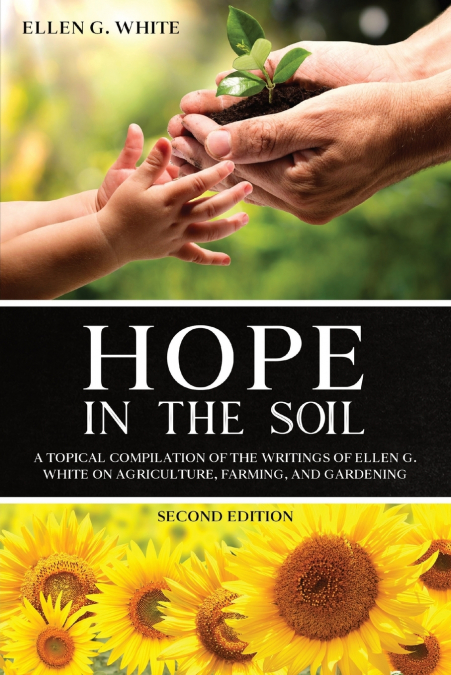
  • Hope in the Soil
    Ellen G White
    Before edible classrooms began 'sprouting' in elementary schools, before buzzwords like 'sustainable agriculture', 'organic,' or 'veganic' came into existence, an exceptional woman named Ellen G. White penned numerous letters and articles on the importance of farming, an outdoor life, and manual labor. Though often remembered for other things, Mrs. White was actively engaged in...
    Disponible

    18,38 €

  • The Green Revolution
    Binitha Sophine Emmanuel
    The Green Revolution, a transformative era in the annals of agriculture, emerged as a game-changing force during the mid-20th century, fundamentally reshaping the methodology of food production and steering the trajectory of global food security. Characterized by a sequence of technological breakthroughs, the Green Revolution aimed to substantially augment agricultural producti...
    Disponible

    53,23 €

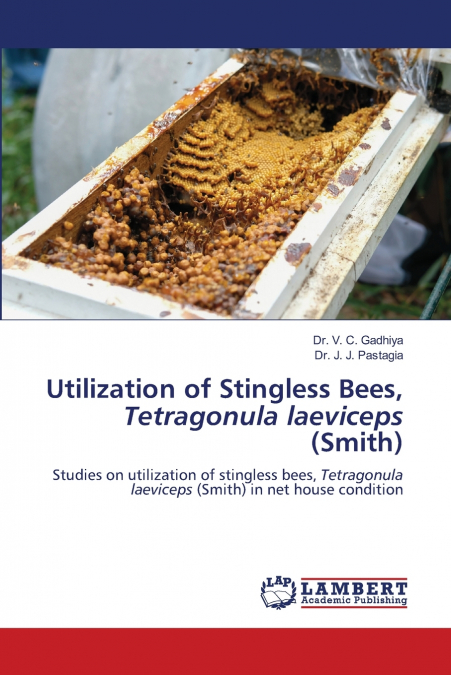
  • Utilization of Stingless Bees, Tetragonula laeviceps (Smith)
    Dr. J. J. Pastagia / Dr. V. C. Gadhiya
    The present investigations on utilization of stingless bees, T. laeviceps Smith in net house condition carried out with the broad aspects like flowers visited by stingless bees, T. laeviceps Smith, toxicity of insecticides to T. laeviceps Smith workers, floral biology of musk melon, foraging behavior of stingless bees, T. laeviceps Smith in net house condition, effect of pollin...
    Disponible

    84,80 €

  • La révolution verte
    Binitha Sophine Emmanuel
    La révolution verte, une ère transformatrice dans les annales de l’agriculture, est apparue comme une force qui a changé la donne au milieu du 20e siècle, remodelant fondamentalement la méthodologie de la production alimentaire et orientant la trajectoire de la sécurité alimentaire mondiale. Caractérisée par une série de percées technologiques, la révolution verte visait à augm...
    Disponible

    53,29 €

Otros libros del autor

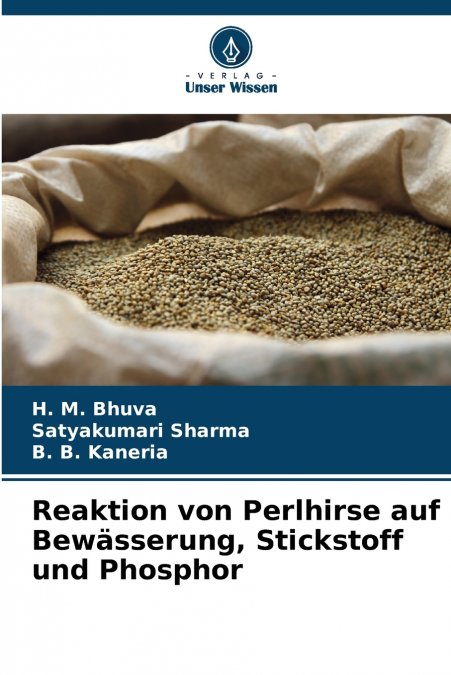
  • Reaktion von Perlhirse auf Bewässerung, Stickstoff und Phosphor
    B. B. Kaneria / H. M. Bhuva / Satyakumari Sharma
    Perlhirse [Pennisetum glaucum (L.) R. Br. emend. Stuntz], allgemein bekannt als Bajra, ist eine wichtige dürreresistente Hirseart, die hauptsächlich in ariden und semiariden Gebieten auf leicht strukturierten Sandböden angebaut wird. Es handelt sich um eine doppelt nutzbare Kulturpflanze, deren Körner für den menschlichen Verzehr und deren Halm als Viehfutter verwendet werden. ...
    Disponible

    83,09 €

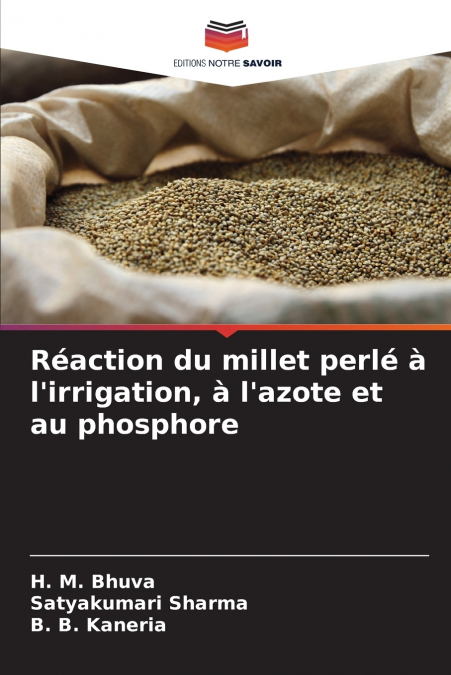
  • Réaction du millet perlé à l’irrigation, à l’azote et au phosphore
    B. B. Kaneria / H. M. Bhuva / Satyakumari Sharma
    Le millet perlé [Pennisetum glaucum (L.) R. Br. emend. Stuntz], communément appelé bajra, est une importante culture de millet résistante à la sécheresse, essentiellement cultivée dans les zones arides et semi-arides sur des sols sableux à texture légère. Il s’agit d’une culture à double usage, les grains étant destinés à la consommation humaine et le fourrage à l’alimentation ...
    Disponible

    83,09 €

  • Resposta do milho-miúdo à irrigação, nitrogénio e fósforo
    B. B. Kaneria / H. M. Bhuva / Satyakumari Sharma
    O milho-miúdo [Pennisetum glaucum (L.) R. Br. emend. Stuntz], comumente conhecido como bajra, é uma importante cultura de milho resistente à seca, cultivada basicamente em áreas áridas e semiáridas em solos arenosos de textura leve. É uma cultura de dupla finalidade, os grãos são usados para consumo humano e a sua forragem como ração para gado. Os grãos de milho-miúdo são consu...
    Disponible

    83,10 €

  • Reakcja prosa perłowego na nawadnianie, azot i fosfor
    B. B. Kaneria / H. M. Bhuva / Satyakumari Sharma
    Proso perłowe [Pennisetum glaucum (L.) R. Br. emend. Stuntz], powszechnie znane jako bajra, jest ważną, odporną na suszę rośliną uprawianą głównie na obszarach suchych i półsuchych, na lekkoziarnistych glebach piaszczystych. Jest to roślina o podwójnym przeznaczeniu - ziarna są wykorzystywane do spożycia przez ludzi, a łodygi jako pasza dla bydła. Ziarna prosa perłowego spożywa...
    Disponible

    83,10 €