 Librería Samer Atenea
 Kálamo Books
 Librería Elías (Asturias)
 Librería Kolima (Madrid)
 Librería Proteo (Málaga)
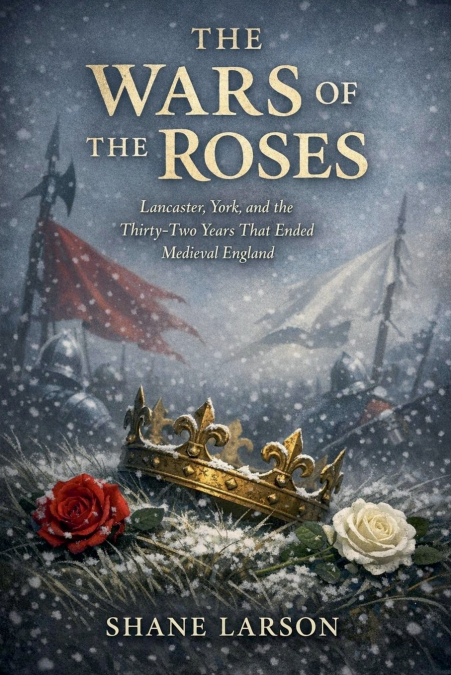
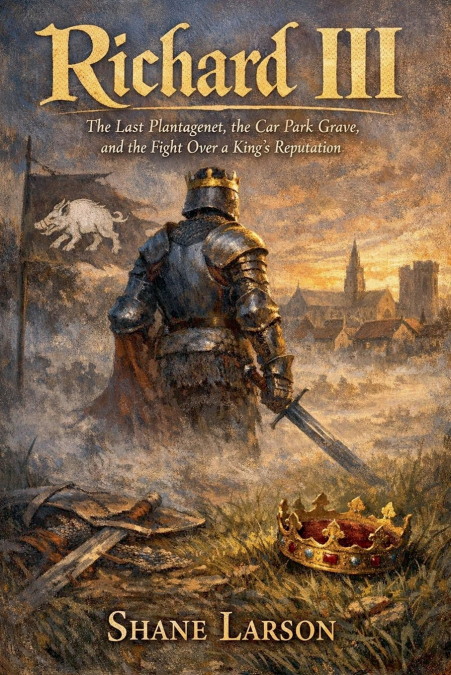
Shakespeare gave him a hump, a withered arm and a limp. The skeleton dug out of a Leicester car park in 2012 had a curved spine, two normal arms, and eleven wounds from the last minutes of a lost battle.Richard was born at Fotheringhay on 2 October 1452, the eleventh child of a duke who died fighting for the crown. He was eight when his father and brother were killed at Wakefield, sent abroad twice for safety, and fought his first battle at Barnet at eighteen. For twelve years he was the most trusted lord Edward IV had: he held the north, recovered Berwick, and signed his letters with the motto Loyaulte me lie, loyalty binds me. Then, in eleven weeks of 1483, he arrested his nephew’s guardians, executed his brother’s closest friend without trial, declared both nephews illegitimate and took the throne. He reigned for two years and two months, held one Parliament, buried his son and his wife, and died at thirty-two at Bosworth, on foot, without his helmet, surrounded.Then the second life began. A Warwickshire priest who had praised him rewrote him for Henry VII. A London lawyer composed a portrait of tyranny. Shakespeare turned it into the most durable villain on the English stage. A defence followed: an antiquary in 1619, Horace Walpole in 1768, a society founded in 1924 to clear his name. And in August 2012 a search begun by members of that society and carried out by University of Leicester archaeologists put a trench through a council car park and found, on the first day, the choir of the lost Greyfriars church and the grave in it. Mitochondrial DNA from two living descendants of his sister confirmed the identification, announced on 4 February 2013. On 26 March 2015 he was reburied in Leicester Cathedral.This is the whole arc in one book: the life, the five centuries of argument, and the science. It dates every source, separating the handful of witnesses who were there from the Tudor writers who were not, and tests prosecution and defence against the evidence at every contested point. His nephews get one chapter, both cases, and no verdict.What you’ll learn:Why the north stayed loyal to him, and what the city of York wrote down the morning after he diedWhat happened, week by week, between Edward IV’s death and the coronation of 6 July 1483What the 1484 Parliament, the Council of the North and the College of Arms actually changedWhich parts of the Tudor portrait came from Rous, which from More, and which from the skeletonHow radiocarbon, isotopes and mitochondrial DNA built the identification, and what the broken Y-chromosome line does not meanWhat the 2014 wound study says about how he died, and what no bone can say about how he livedThis book is for you if:You have read The Wars of the Roses and want the last Yorkist king given a book of his ownYou know the play and want to know where the record stops and the invention startsYou followed the Leicester dig and want the science explained properlyYou want the case for and the case against, with the verdict left to youTwo years and two months on the throne. Five hundred and forty years of argument. One grave under a car park that answered every question except the ones people were fighting about.