
Inicio > Matemáticas y ciencia > Biologia, ciencias de la vida > Botánica y ciencias de las plantas > PRODUCTION DE BIOPLASTIQUE À PARTIR DE DÉCHETS D’ANANAS
PRODUCTION DE BIOPLASTIQUE À PARTIR DE DÉCHETS D’ANANAS

PRODUCTION DE BIOPLASTIQUE À PARTIR DE DÉCHETS D’ANANAS

Anwesa Sarkar / EKANT LOUR

65,61 €
IVA incluido
Disponible
Editorial:
KS OmniScriptum Publishing
Año de edición:
2026
Materia
Botánica y ciencias de las plantas
ISBN:
9786209580772
65,61 €
IVA incluido
Disponible

Selecciona una librería:

  • Librería Samer Atenea
  • Librería Aciertas (Toledo)
  • Kálamo Books
  • Librería Perelló (Valencia)
  • Librería Elías (Asturias)
  • Donde los libros
  • Librería Kolima (Madrid)
  • Librería Proteo (Málaga)

Les bioplastiques à base d’amidon constituent une alternative durable et biodégradable aux plastiques conventionnels. Dans cette étude, un bioplastique a été préparé en utilisant l’amidon comme agent liant et le glycérol comme plastifiant, avec de la cellulose comme matériau de renforcement. La cellulose a été extraite de la fibre de feuille d’ananas (PALF), un déchet agricole abondant, par prétraitement de la fibre, blanchiment et hydrolyse acide. Le prétraitement de la PALF a été effectué pour améliorer l’adhésion fibre-matrice et renforcer les propriétés mécaniques du bioplastique, en particulier la résistance à la traction et aux chocs, ainsi que la durabilité et la résistance à l’eau. Le bioplastique a été fabriqué en chauffant un mélange de farine de maïs, de vinaigre, de glycérol et d’eau distillée à 80-90 °C pendant 60 minutes avec une agitation continue, puis en le coulant et en le séchant à 70-80 °C pendant 6-8 heures pour obtenir un film uniforme. Les feuilles de bioplastique finales ont été conditionnées à température ambiante et évaluées par des tests de solubilité dans l’eau, de dégradation du sol, d’absorption de l’eau, de mesure de l’épaisseur et de dureté afin d’évaluer leurs propriétés physiques et leur applicabilité pratique.
Artículos relacionados

  • The Green Architecture
    Ali Mirshafieyan / Ghazal Yeganeh / Maryam Zamani Motlagh
    Protecting green energy as well as non-renewable energy, as well as their sustainable use, many advances in the technology of extracting oil products and other reserves under the ground have caused many improvements. In this regard, proposing the design of buildings in which the consumption of fossil fuels reaches its lowest level is considered one of the important solutions in...
    Disponible

    82,54 €

  • Responsible Use and Management of Agrochemicals
    Juan Carlos Nava
    Uso y manejo responsable de agroquímicos is a work product of the author’s experiences (undergraduate and graduate professor, with research and extension projects), aimed at producers, companies, professionals, students, advisors, researchers, among others.Due to its structure and content, it is expected to be a valuable aid to all people directly or indirectly involved in the ...
    Disponible

    49,45 €

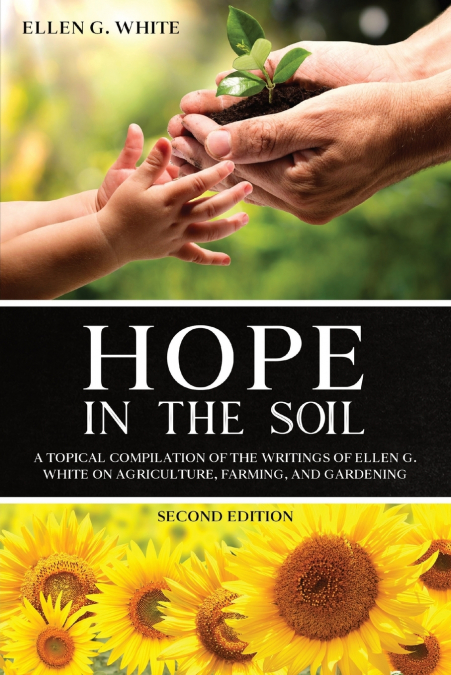
  • Hope in the Soil
    Ellen G White
    Before edible classrooms began 'sprouting' in elementary schools, before buzzwords like 'sustainable agriculture', 'organic,' or 'veganic' came into existence, an exceptional woman named Ellen G. White penned numerous letters and articles on the importance of farming, an outdoor life, and manual labor. Though often remembered for other things, Mrs. White was actively engaged in...
    Disponible

    18,38 €

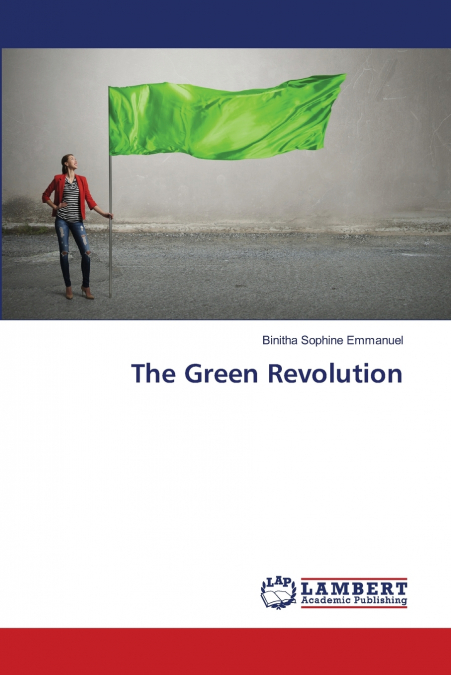
  • The Green Revolution
    Binitha Sophine Emmanuel
    The Green Revolution, a transformative era in the annals of agriculture, emerged as a game-changing force during the mid-20th century, fundamentally reshaping the methodology of food production and steering the trajectory of global food security. Characterized by a sequence of technological breakthroughs, the Green Revolution aimed to substantially augment agricultural producti...
    Disponible

    53,23 €

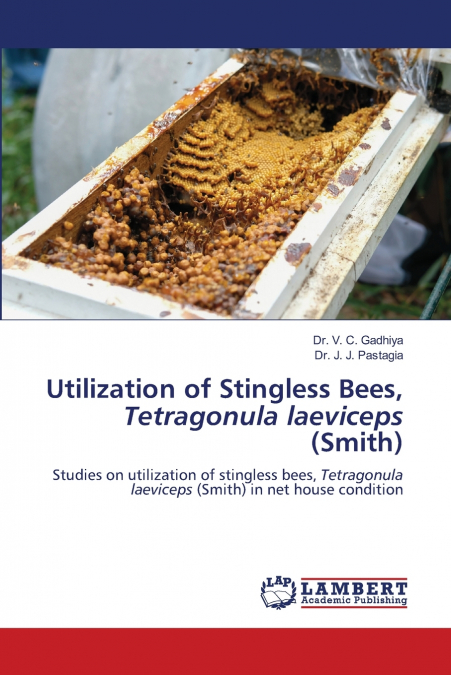
  • Utilization of Stingless Bees, Tetragonula laeviceps (Smith)
    Dr. J. J. Pastagia / Dr. V. C. Gadhiya
    The present investigations on utilization of stingless bees, T. laeviceps Smith in net house condition carried out with the broad aspects like flowers visited by stingless bees, T. laeviceps Smith, toxicity of insecticides to T. laeviceps Smith workers, floral biology of musk melon, foraging behavior of stingless bees, T. laeviceps Smith in net house condition, effect of pollin...
    Disponible

    84,80 €

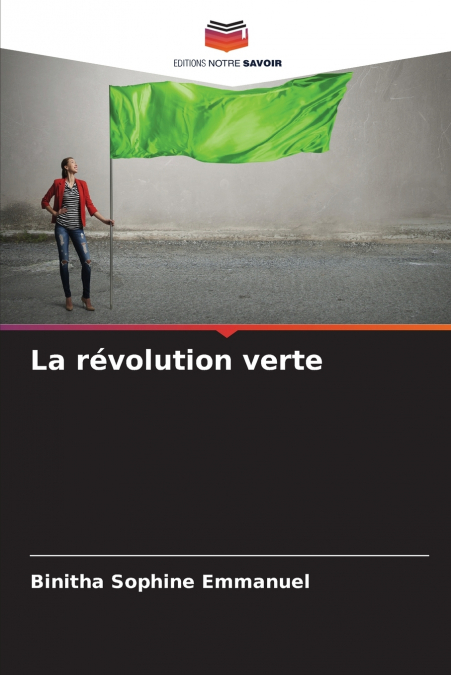
  • La révolution verte
    Binitha Sophine Emmanuel
    La révolution verte, une ère transformatrice dans les annales de l’agriculture, est apparue comme une force qui a changé la donne au milieu du 20e siècle, remodelant fondamentalement la méthodologie de la production alimentaire et orientant la trajectoire de la sécurité alimentaire mondiale. Caractérisée par une série de percées technologiques, la révolution verte visait à augm...
    Disponible

    53,29 €

Otros libros del autor

  • PRODUÇÃO DE BIOPLÁSTICO A PARTIR DE RESÍDUOS DE ANANÁS
    Anwesa Sarkar / EKANT LOUR
    Os bioplásticos à base de amido são uma alternativa sustentável e biodegradável aos plásticos convencionais. Neste estudo, o bioplástico foi preparado utilizando o amido como agente aglutinante e o glicerol como plastificante, com a celulose como material de reforço. A celulose foi extraída da fibra da folha de ananás (PALF), um resíduo agrícola abundante, através do pré-tratam...
    Disponible

    65,61 €

  • HERSTELLUNG VON BIOKUNSTSTOFF AUS ANANASABFÄLLEN
    Anwesa Sarkar / EKANT LOUR
    Biokunststoffe auf Stärkebasis sind eine nachhaltige und biologisch abbaubare Alternative zu herkömmlichen Kunststoffen. In dieser Studie wurde Biokunststoff unter Verwendung von Stärke als Bindemittel und Glycerin als Weichmacher sowie Zellulose als Verstärkungsmaterial hergestellt. Die Zellulose wurde aus Ananasblattfasern (PALF), einem reichlich vorhandenen landwirtschaftlic...
    Disponible

    65,68 €

  • PRODUKCJA BIOPLASTIKU Z ODPADÓW ANANASOWYCH
    Anwesa Sarkar / EKANT LOUR
    Biotworzywa na bazie skrobi są zrównoważoną i biodegradowalną alternatywą dla konwencjonalnych tworzyw sztucznych. W niniejszym badaniu przygotowano bioplastik z wykorzystaniem skrobi jako środka wiążącego i glicerolu jako plastyfikatora, z celulozą jako materiałem wzmacniającym. Celuloza została wyekstrahowana z włókna liści ananasa (PALF), obfitego odpadu rolniczego, poprzez ...
    Disponible

    65,61 €

  • PRODUZIONE DI BIOPLASTICA DA RIFIUTI DI ANANAS
    Anwesa Sarkar / EKANT LOUR
    Le bioplastiche a base di amido sono un’alternativa sostenibile e biodegradabile alle plastiche convenzionali. In questo studio è stata preparata una bio-plastica utilizzando l’amido come legante e il glicerolo come plastificante, con la cellulosa come materiale di rinforzo. La cellulosa è stata estratta dalla fibra di foglie di ananas (PALF), un rifiuto agricolo abbondante, at...
    Disponible

    65,61 €

  • PRODUCTION OF BIOPLASTIC FROM PINEAPPLE WASTE
    Anwesa Sarkar / EKANT LOUR
    Starch-based bio-plastics are a sustainable and biodegradable alternative to conventional plastics. In this study, bio-plastic was prepared using starch as the binding agent and glycerol as the plasticizer, with cellulose as a reinforcing material. Cellulose was extracted from pineapple leaf fibre (PALF), an abundant agricultural waste, through fibre pre-treatment, bleaching, a...
    Disponible

    65,61 €