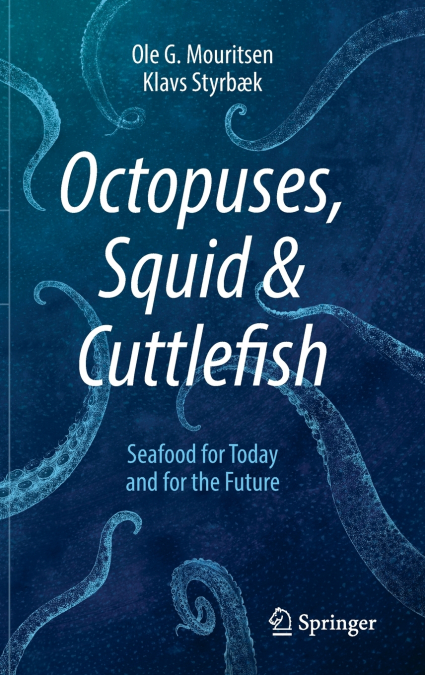
Octopuses, Squid & Cuttlefish

Octopuses, Squid & Cuttlefish

Klavs Styrbæk / Ole G. Mouritsen

41,59 €
IVA incluido
Disponible
Editorial:
Springer Nature B.V.
Año de edición:
2022
Materia
Tecnología de alimentos y bebidas
ISBN:
9783030580292
41,59 €
IVA incluido
Disponible

Selecciona una librería:

  • Librería Samer Atenea
  • Librería Aciertas (Toledo)
  • Kálamo Books
  • Librería Perelló (Valencia)
  • Librería Elías (Asturias)
  • Donde los libros
  • Librería Kolima (Madrid)
  • Librería Proteo (Málaga)

Humans everywhere have always been fascinated by octopuses, squid, and cuttlefish, known biologically as cephalopods. They evolved hundreds of millions of years ago and are related to molluscs such as mussels and snails. They can grow to an enormous size with eyes as big as footballs, but they still live for only a couple of years. They mate once in their lifetime and die shortly after. They have blue blood and three hearts and they can shoot out jet-black ink. They have a brain and have behaviours that could be interpreted as signs of intelligence, even though more than half of their brain is distributed in their arms. They are colour blind, but they can change the colour of their skin in a flash. They are masters of disguise and are able to alter the texture of their skin and the patterns displayed on it at lighting speed. They can also ’taste’ using the suckers on their arms. They can move extremely fast thanks to a jet-propulsion system built into their body cavity. Although they are soft-bodied and look vulnerable, cephalopods are formidable predators. Octopuses have arms that are so strong that they can exert a force equal to hundreds of times their own body weight. Squid and cuttlefish can shoot out a tentacle to capture prey at the speed of a javelin thrown by an expert athlete.Cephalopods are, however, so much more than just fascinating creatures with strange physical characteristics. They are a nutritious, delicious protein source that has found a place for thousands of years in many food cultures around the world. As squid, cuttlefish, and octopuses are native to virtually all parts of the ocean, they are an excellent and available alternative to meat from terrestrial animals.This book is written to promote the overall place of cephalopods in home kitchens and to inspire the uninitiated to add them to their diet. It describes the many facets of their anatomy that play a central role in their potential use as healthy, diverse, and interesting food sources, with a particular emphasis on their taste and texture. By way of an assortment of recipes, the authors hope to dispel the myth that it is difficult to prepare delicious dishes using squid, cuttlefish, and octopuses. In addition, there are contributions to the on-going discussions about how marine resources can be exploited more responsibly in a sustainable manner.Ole G. Mouritsen is a professor of gastrophysics and culinary food innovation at the University of Copenhagen,president of the Danish Gastronomical Academy, and director of the Danish national research and communication centre Taste for Life.Klavs Styrbæk is a chef and leader of the gastronomic enterprise STYRBÆKS, which includes a gourmet restaurant, a cooking school, a catering service, and a product development branch.   
Artículos relacionados

  • Improving the quality of apples
    Fabrizio Costa
    This collection reviews the wealth of recent research undertaken on the factors which can determine the quality of apples, focussing on attributes such as texture and nutritional content. The book also considers how these attributes can be optimised at both the pre- and postharvest stages in the value chain for apples as a means of meeting the increasing expectations and demand...
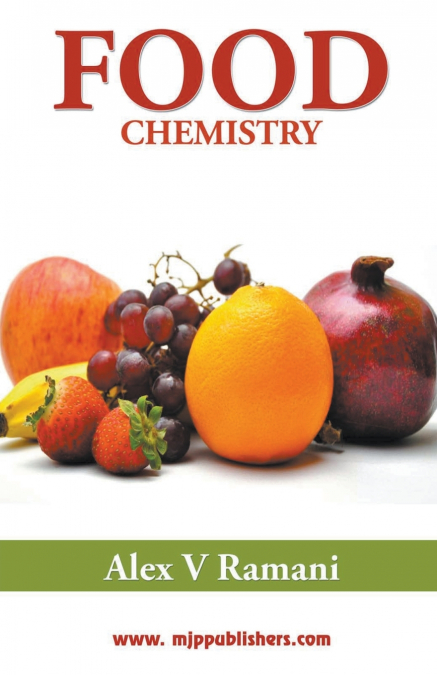
  • FOOD CHEMISTRY
    V. Ramani Alex
    This enlightening guide explores the chemical intricacies of what we eat. It unravels the basic chemical substances that constitute our food, and the methods through which these can be analyzed, providing a comprehensive understanding of what we consume. The book delves into how food supports our well-being, focusing on the essential nutrients required for our biochemical proce...
    Disponible

    21,52 €

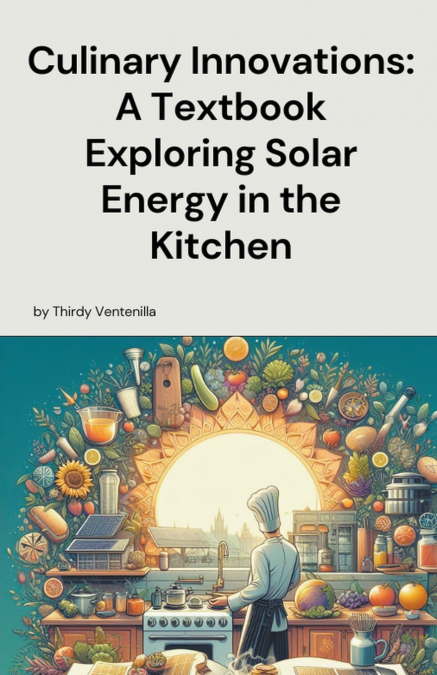
  • Culinary Innovations
    Thirdy Ventenilla
    'Culinary Innovations: A Textbook Exploring Solar Energy in the Kitchen' is a comprehensive manual that delves into the intersection of solar energy and culinary artistry. Through a blend of scientific exploration and practical application, this book offers readers a unique journey into the world of eco-friendly cooking powered by sunlight.The book begins by demystifying solar ...
    Disponible

    12,83 €

  • Chemical Changes in Lipid After Heat Treatment of The Meat
    Mitre Stojanovski
    Meat is a rich source of lightly-digestible proteins, fats, and minerals. The meat contains all the necessary nutrients in an appropriate ratio for maximum utilization by the human organism, and as a result, the meat is characterized by high digestibility of 96% and utilization of 98%, thus bringing meat into a high biological food product and nutritional value.The meat as a fo...
    Disponible

    47,76 €

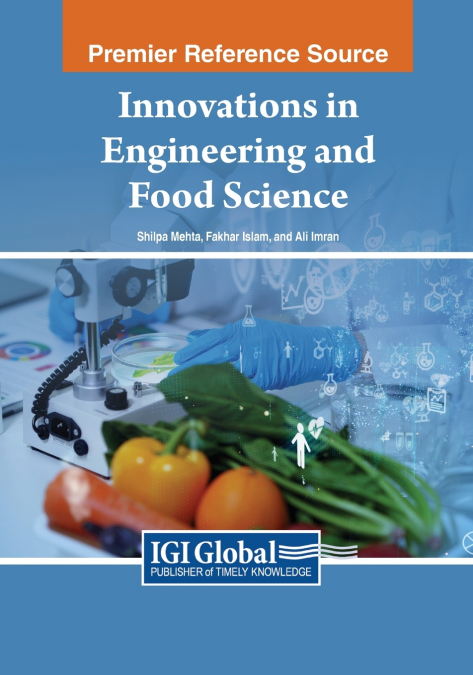
  • Innovations in Engineering and Food Science
    As the global population continues to grow, the depletion of Earth’s resources poses a significant challenge in ensuring food security for current and future generations. This book addresses this pressing issue by presenting innovative strategies and methods to reduce food loss, enhance production, identify alternative ingredients, and digitize the food system. It explores topi...
    Disponible

    262,26 €

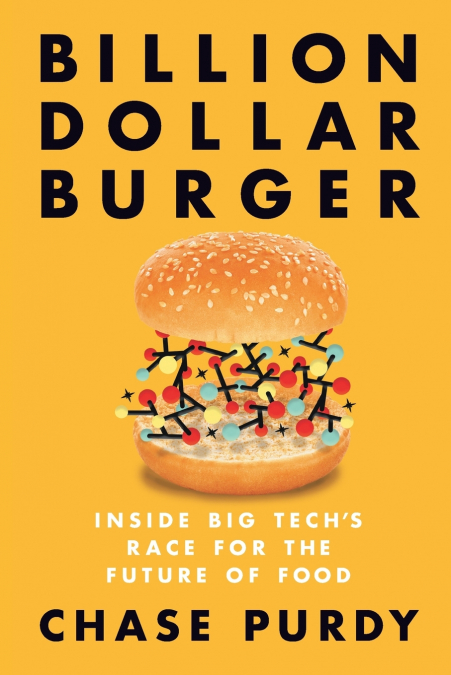
  • Billion Dollar Burger
    Chase Purdy
    ...
    Disponible

    25,74 €

Otros libros del autor

  • Tsukemono
    Klavs Styrbæk / Ole G. Mouritsen
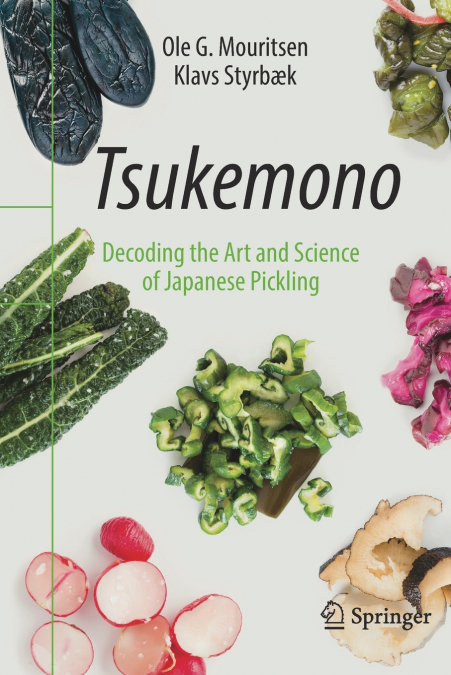
    One of the best-kept secrets of Japanese cuisine is a range of side dishes known as tsukemono (つけもの, 漬物). The word, pronounced ’tskay-moh-noh,’ means ’something that has been steeped or marinated’ (tsuke-steeped; mono-things). Although tsukemono are usually made from vegetables, some fruits, flowers, and a few rhizomes are also preserved this way; it is, therefore, more accurat...
    Disponible

    37,55 €

  • Tsukemono
    Klavs Styrbæk / Ole G. Mouritsen
    One of the best-kept secrets of Japanese cuisine is a range of side dishes known as tsukemono (つけもの, 漬物). The word, pronounced ’tskay-moh-noh,’ means ’something that has been steeped or marinated’ (tsuke-steeped; mono-things). Although tsukemono are usually made from vegetables, some fruits, flowers, and a few rhizomes are also preserved this way; it is, therefore, more accurat...
  • Octopuses, Squid & Cuttlefish
    Klavs Styrbæk / Ole G. Mouritsen
    Humans everywhere have always been fascinated by octopuses, squid, and cuttlefish, known biologically as cephalopods. They evolved hundreds of millions of years ago and are related to molluscs such as mussels and snails. They can grow to an enormous size with eyes as big as footballs, but they still live for only a couple of years. They mate once in their lifetime and die short...