
Natural Additives in Foods

Natural Additives in Foods

German Ayala Valencia

196,74 €
IVA incluido
Disponible
Editorial:
Springer Nature B.V.
Año de edición:
2022
Materia
Tecnología de alimentos y bebidas
ISBN:
9783031173455
196,74 €
IVA incluido
Disponible

Selecciona una librería:

  • Librería Desdémona
  • Librería Samer Atenea
  • Librería Aciertas (Toledo)
  • Kálamo Books
  • Librería Perelló (Valencia)
  • Librería Elías (Asturias)
  • Donde los libros
  • Librería Kolima (Madrid)
  • Librería Proteo (Málaga)

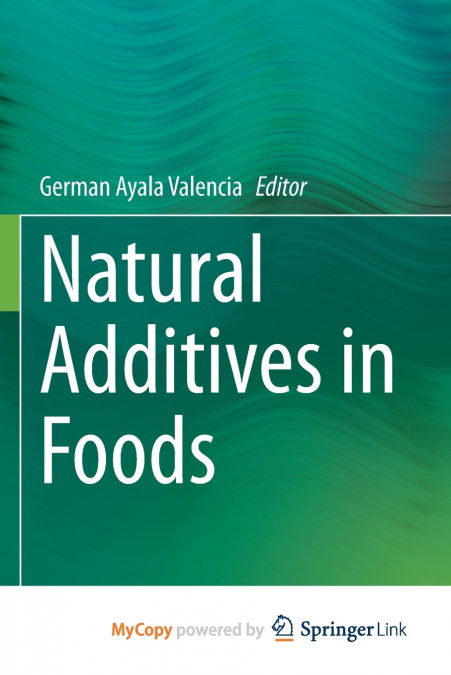
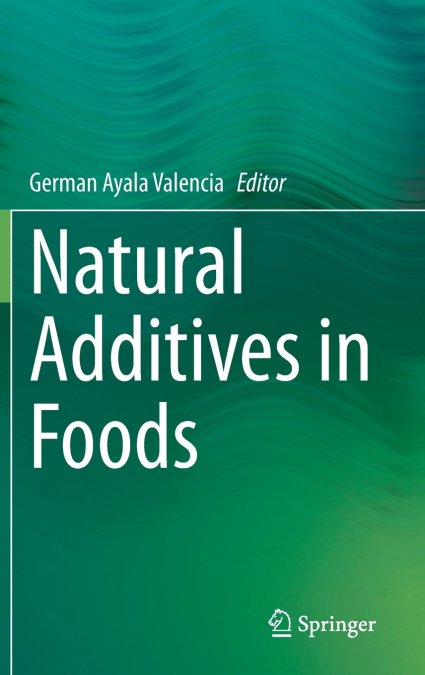
Additives have been used in the food sector for centuries, aiming to maintain or improve food quality in terms of freshness, appearance, texture and taste. Most food additives are synthetic chemical compounds classified as antioxidants, antimicrobials, colorants and sweeteners. In the last decades, several synthetic food additives have been correlated with adverse reactions in humans, which has caused the safety of synthetic food additives to be reviewed and discussed by international organizations. At the same time, there is increasing consumer demand for more natural and environmentally friendly food products and additives. Therefore, synthetic food additives have been replaced with natural food additives. Although the use of natural additives is a hot topic in food science, to date no book has systematically reviewed  the application of natural additives in food products. ​Natural additives in foods presents an exhaustive analysis of the most recent advances in the application of natural additives in the food sector. Covering natural antioxidants, antimicrobials, colorants and sweeteners, this text also focuses on unconventional sources of natural additives, valorization and toxicological aspects, consumer attitudes and regulatory aspects. The main applications of natural antioxidants are fully covered, including polyphenols, ascorbic acid, carotenoids, tocopherols and proteins. Natural antimicrobial applications from polyphenols and essential oils to poly-L-Lysine are analyzed, as are natural colorants like anthocyanins, annatto, betalains and paprika. The encapsulation, trapping, and adsorption of natural additives are studied, and consumer perceptions and preferences are major focuses. Researchers will find up-to-date regulatory specifics for the United States and European Union.For any researcher in need of an expansive single source containing all relevant and updated information for the use of natural additives in foods, this book is a much needed addition to the field.    
Artículos relacionados

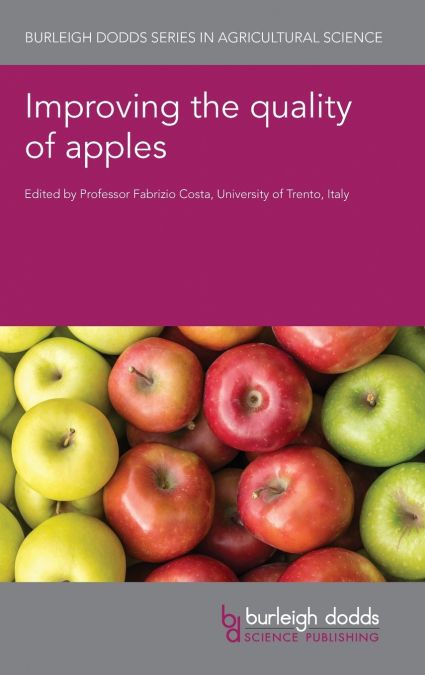
  • Improving the quality of apples
    Fabrizio Costa
    This collection reviews the wealth of recent research undertaken on the factors which can determine the quality of apples, focussing on attributes such as texture and nutritional content. The book also considers how these attributes can be optimised at both the pre- and postharvest stages in the value chain for apples as a means of meeting the increasing expectations and demand...
    Disponible

    234,72 €

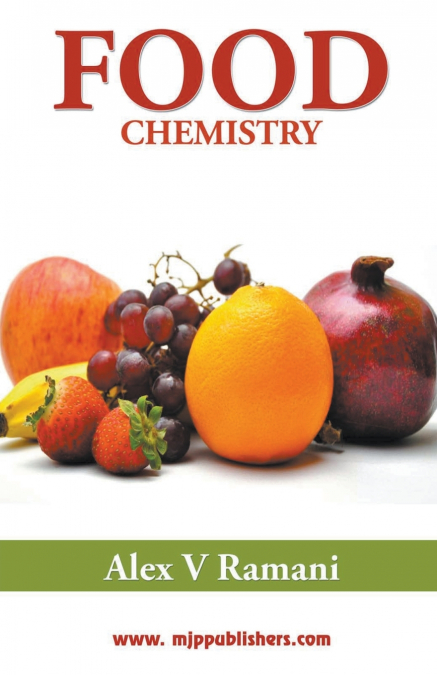
  • FOOD CHEMISTRY
    V. Ramani Alex
    This enlightening guide explores the chemical intricacies of what we eat. It unravels the basic chemical substances that constitute our food, and the methods through which these can be analyzed, providing a comprehensive understanding of what we consume. The book delves into how food supports our well-being, focusing on the essential nutrients required for our biochemical proce...
    Disponible

    21,52 €

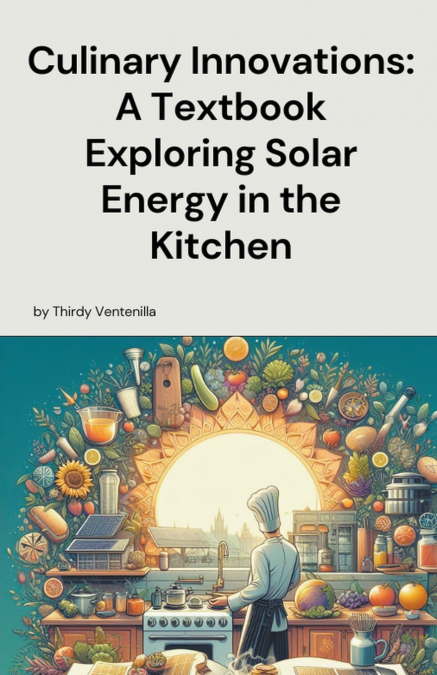
  • Culinary Innovations
    Thirdy Ventenilla
    'Culinary Innovations: A Textbook Exploring Solar Energy in the Kitchen' is a comprehensive manual that delves into the intersection of solar energy and culinary artistry. Through a blend of scientific exploration and practical application, this book offers readers a unique journey into the world of eco-friendly cooking powered by sunlight.The book begins by demystifying solar ...
    Disponible

    12,83 €

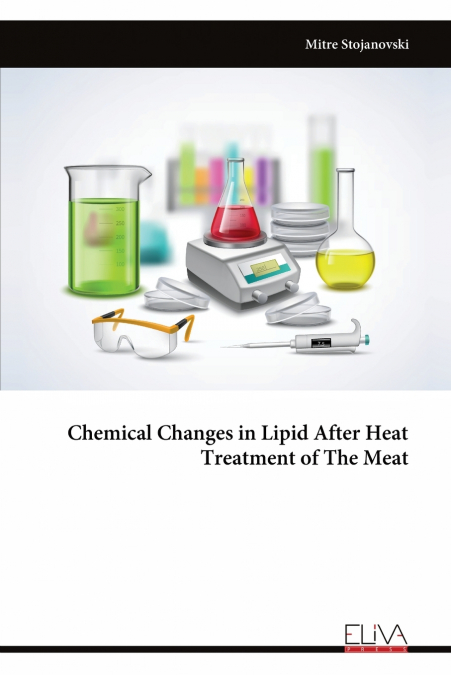
  • Chemical Changes in Lipid After Heat Treatment of The Meat
    Mitre Stojanovski
    Meat is a rich source of lightly-digestible proteins, fats, and minerals. The meat contains all the necessary nutrients in an appropriate ratio for maximum utilization by the human organism, and as a result, the meat is characterized by high digestibility of 96% and utilization of 98%, thus bringing meat into a high biological food product and nutritional value.The meat as a fo...
    Disponible

    47,76 €

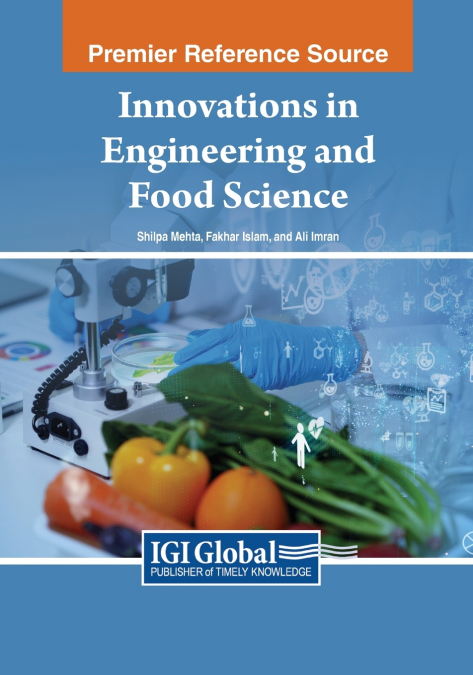
  • Innovations in Engineering and Food Science
    As the global population continues to grow, the depletion of Earth’s resources poses a significant challenge in ensuring food security for current and future generations. This book addresses this pressing issue by presenting innovative strategies and methods to reduce food loss, enhance production, identify alternative ingredients, and digitize the food system. It explores topi...
    Disponible

    262,26 €

  • Molecular Mechanism of Sheath Blight Tolerance in Rice
    Pankajini Samal
    Rice being the most important cereal of not only in India but in most of the Asian and African countries and also the most important cereal second to wheat only. In India the average productivity of rice is approximately 3.4 t/h which is much below than its highest productivity. The major constraints of rice production are different stresses which include both biotic and abioti...

Otros libros del autor

  • Starch Nanomaterials and Food Applications
    Germán Ayala Valencia
    Starch nanomaterials can be classified as nanocrystals, nanoparticles, nanofibers, nanomicelles and nanovesicles which are produced by both 'top-down' and 'bottom-up' approaches. Starch nanomaterials feature advanced structures with different physicochemical properties than those found in native starches. In the food industry, starch nanomaterials can be used to reduce spoila...
    Disponible

    245,52 €

  • Natural Additives in Foods
    German Ayala Valencia
    Additives have been used in the food sector for centuries, aiming to maintain or improve food quality in terms of freshness, appearance, texture and taste. Most food additives are synthetic chemical compounds classified as antioxidants, antimicrobials, colorants and sweeteners. In the last decades, several synthetic food additives have been correlated with adverse reactions in ...
    Disponible

    47,34 €