
Inicio > Matemáticas y ciencia > Biologia, ciencias de la vida > Investigação de mecanismos citotóxicos em células NK humanas
Investigação de mecanismos citotóxicos em células NK humanas

Investigação de mecanismos citotóxicos em células NK humanas

Christian Backes

101,44 €
IVA incluido
Disponible
Editorial:
KS OmniScriptum Publishing
Año de edición:
2025
Materia
Biologia, ciencias de la vida
ISBN:
9786208986087
101,44 €
IVA incluido
Disponible

Selecciona una librería:

  • Librería Samer Atenea
  • Librería Aciertas (Toledo)
  • Kálamo Books
  • Librería Perelló (Valencia)
  • Librería Elías (Asturias)
  • Donde los libros
  • Librería Kolima (Madrid)
  • Librería Proteo (Málaga)

As células assassinas naturais (NK) fazem parte do sistema imunitário inato. Elas formam uma sinapse imunológica (IS) com células-alvo infectadas ou tumorigénicas e as matam através de receptores de morte (ligante Fas CD95 e receptor Fas CD178) ou através da libertação de perforina e granzima em grânulos líticos. A ligação Fas-FasL induz a apoptose. A libertação de perforina pode provocar a lise direta das células-alvo (necrose) ou levar à penetração de granzimas na célula-alvo, o que induz a apoptose. Ambas as mortes de células-alvo dependentes de NK foram descritas na literatura, mas as análises populacionais foram realizadas apenas através de ensaios de ponto final. A regulação dinâmica da apoptose e necrose dependentes de NK das células-alvo ao nível de células individuais ainda não foi estudada. Para estudar processos dinâmicos de células individuais, as células-alvo que podem ser mortas por células NK humanas foram transfectadas de forma estável com um sensor de morte celular. Este ensaio permite a classificação de apoptoses e necroses de células individuais através de diferentes padrões de fluorescência do sensor baseado em FRET.
Artículos relacionados

  • Viral Replication Complexes
    Viruses are obligate intracellular parasites that need to co-opt a living cell’s machinery for replication. At the heart of the viral replication machinery are the nucleic acid polymerases, which are responsible for efficiently copying the viral genome. This process must often be coordinated with other viral processes, including protein translation and viral packaging. The poly...
  • Advances in Flavivirus Research
    The flaviviruses are composed almost entirely of arthropod-borne viruses, a subset of which are responsible for millions of cases of human disease each year. Among these viruses are dengue virus—a scourge throughout the tropical regions of Asia and the Americas; yellow fever virus—the “original” hemorrhagic fever virus; and the recently emerged Zika virus. While the flaviviruse...
    Disponible

    51,85 €

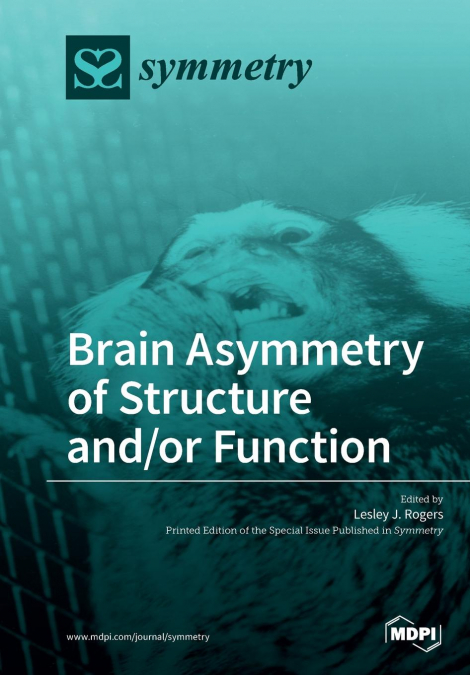
  • Brain Asymmetry of Structure and/or Function
    Lesley J. Rogers / Lesley JRogers
    This edited book brings together research reports on the asymmetry of brain function in various species, including humans, dogs, birds, lizards and bees. As shown in a wide range of species, and, as we now know, not solely in humans, the left and right sides of the brain process information in different ways and control different responses or patterns of behaviour. Since this d...
    Disponible

    51,71 €

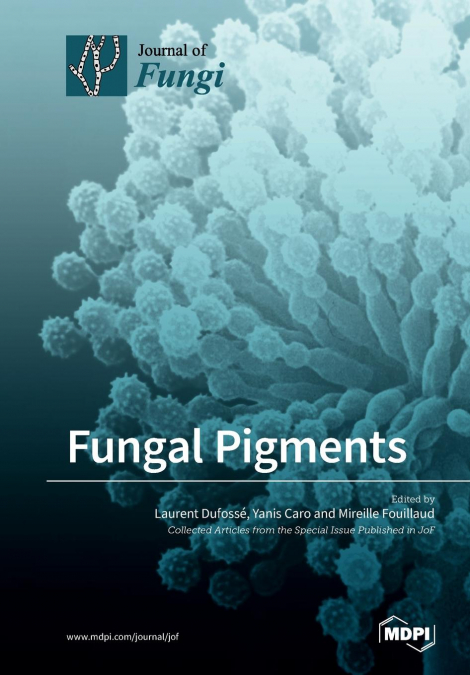
  • Fungal Pigments
    With the impact of globalization in research trends, the search for healthier life styles, the increasing public demand for natural, organic, and ‘clean labelled’ products, as well as the growing global market for natural colorants in economically fast-growing countries all over the world, filamentous fungi started to be investigated as readily available sources of chemically d...
    Disponible

    43,80 €

  • The Epithelialto- Mesenchymal Transition ( EMT ) in Cancer
    Joëlle Roche
    The epithelial-to-mesenchymal transition (EMT) is a highly dynamic process with multiple transitional states, by which epithelial cells can convert into a mesenchymal phenotype. This process involves loss of cellular adhesion and cellular polarity, and an improvement in migratory and invasive properties. It occurs during normal embryonic development, tissue regeneration, organ ...
    Disponible

    67,86 €

  • The Biology and Treatment of Myeloid Leukaemias
    There has been an observed decrease in the global mortality from cancer, mostly atributable to improved, particularly early, detection and prevention. For many carcinomas and leukaemias in adults, once the disease has reached a certain stage there are no therapies that are able to erradicate the cancer cells and cure patients. There has been progress in the treatment of acute m...
    Disponible

    51,85 €

Otros libros del autor

  • Investigation of cytotoxic mechanisms in human NK cells
    Christian Backes
    Natural killer cells (NK) are part of the innate immune system. They form an immunological synapse (IS) with infected or tumorigenic target cells and kill them via death receptors (Fas ligand CD95 and Fas receptor CD178) or by releasing perforin and granzyme from lytic granules. Fas-FasL binding induces apoptosis. Perforin release can either trigger direct lysis of the target c...
    Disponible

    101,45 €

  • Étude des mécanismes cytotoxiques dans les cellules NK humaines
    Christian Backes
    Les cellules tueuses naturelles (NK) font partie du système immunitaire inné. Elles forment une synapse immunologique (IS) avec les cellules cibles infectées ou tumorigènes et les détruisent à l’aide de récepteurs de mort cellulaire (ligand Fas CD95 et récepteur Fas CD178) ou par la libération de perforine et de granzyme dans des granules lytiques. La liaison Fas-FasL induit l’...
    Disponible

    101,41 €

  • Badanie mechanizmów cytotoksycznych w ludzkich komórkach NK
    Christian Backes
    Komórki NK (natural killer) są częścią wrodzonego układu odpornościowego. Tworzą one synapsę immunologiczną (IS) z zainfekowanymi lub nowotworowymi komórkami docelowymi i zabijają je za pomocą receptorów śmierci (ligand Fas CD95 i receptor Fas CD178) lub poprzez uwalnianie perforiny i granzymu z granulek litycznych. Wiązanie Fas-FasL indukuje apoptozę. Uwalnianie perforiny może...
    Disponible

    101,44 €

  • Studio dei meccanismi citotossici nelle cellule NK umane
    Christian Backes
    Le cellule killer naturali (NK) fanno parte del sistema immunitario innato. Esse formano una sinapsi immunologica (IS) con cellule bersaglio infette o tumorali e le uccidono tramite recettori di morte (ligando Fas CD95 e recettore Fas CD178) o tramite il rilascio di perforina e granzima in granuli litici. Il legame Fas-FasL induce l’apoptosi. Il rilascio di perforina può provoc...
    Disponible

    101,44 €