Inicio > Tecnología, ingeniería, agricultura > > Química industrial > Tecnología de alimentos y bebidas > Functionality of Cyclodextrins in Encapsulation for Food Applications
Functionality of Cyclodextrins in Encapsulation for Food Applications

Functionality of Cyclodextrins in Encapsulation for Food Applications


208,90 €
IVA incluido
Consulta disponibilidad
Editorial:
Springer Nature B.V.
Año de edición:
2021
Materia
Tecnología de alimentos y bebidas
ISBN:
9783030800550

Selecciona una librería:

  • Librería Samer Atenea
  • Librería Aciertas (Toledo)
  • Kálamo Books
  • Librería Perelló (Valencia)
  • Librería Elías (Asturias)
  • Donde los libros
  • Librería Kolima (Madrid)
  • Librería Proteo (Málaga)

Cyclodextrins (CD) are cyclic oligosaccharides containing 6, 7 or 8 glucose units (α, β or γ-CD, respectively) in a truncated molecular shape. Their cyclic molecular structure contains a hydrophilic surface and a hydrophobic cavity at the center that can interact (host) with external hydrophobic compounds (guest molecules). Cyclodextrins have been categorized as Generally Recognized As Safe (GRAS) in the USA, 'natural products' in Japan, and as 'novel food' in Australia, New Zealand and EU countries. They are therefore widely used in food production to encapsulate hydrophobic compounds, including solid, liquid and gas molecules, in order to solubilize, stabilize or control the release rate of these components. To date, there has been no comprehensive review of the very large number of studies performed on encapsulation using cyclodextrin powders for food applications in recent years.  This text fills that gap for academics in the encapsulation field and for industry professionals who want to gain a solid understanding of encapsulation functionality of cyclodextrin powders. The book consists of 16 chapters in which chapter 1 introduces cyclodextrin properties and its applications in food processing, and chapters 2-16 explore applications of cyclodextrin in encapsulation for many guest compounds. These compounds include gases, flavors, colors, pigments, polyphenols (plant bioactive compounds), essential oils, lipids (cholesterol and polyunsaturated fatty acids), vitamins, fruit ripening controlling compounds, and antifungal and antimicrobial compounds. These chapters also discuss functionalities of cyclodextrin in packaging, masking off-flavor and off-taste, and as dietary fiber.Covering a broad range of cyclodextrin applications and suitable for both newcomers to encapsulation technology and those with experience, Functionality of Cyclodextrins in Encapsulation for Food Applications is a unique and essential reference on this increasingly important topic.
Artículos relacionados

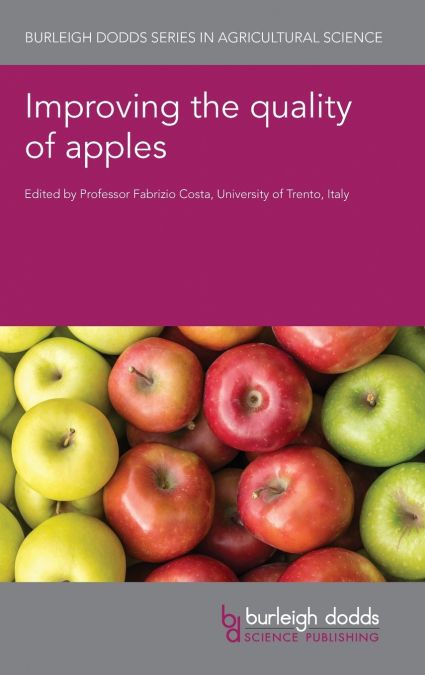
  • Improving the quality of apples
    Fabrizio Costa
    This collection reviews the wealth of recent research undertaken on the factors which can determine the quality of apples, focussing on attributes such as texture and nutritional content. The book also considers how these attributes can be optimised at both the pre- and postharvest stages in the value chain for apples as a means of meeting the increasing expectations and demand...
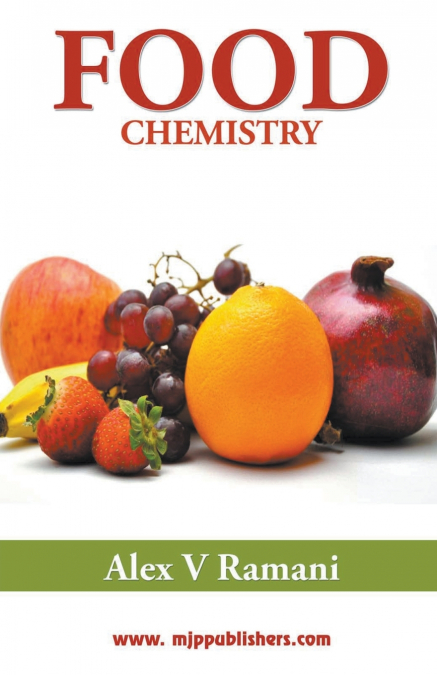
  • FOOD CHEMISTRY
    V. Ramani Alex
    This enlightening guide explores the chemical intricacies of what we eat. It unravels the basic chemical substances that constitute our food, and the methods through which these can be analyzed, providing a comprehensive understanding of what we consume. The book delves into how food supports our well-being, focusing on the essential nutrients required for our biochemical proce...
    Disponible

    21,52 €

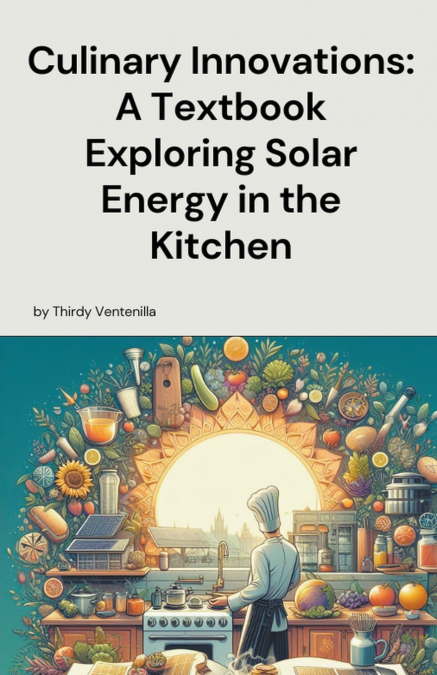
  • Culinary Innovations
    Thirdy Ventenilla
    'Culinary Innovations: A Textbook Exploring Solar Energy in the Kitchen' is a comprehensive manual that delves into the intersection of solar energy and culinary artistry. Through a blend of scientific exploration and practical application, this book offers readers a unique journey into the world of eco-friendly cooking powered by sunlight.The book begins by demystifying solar ...
    Disponible

    12,83 €

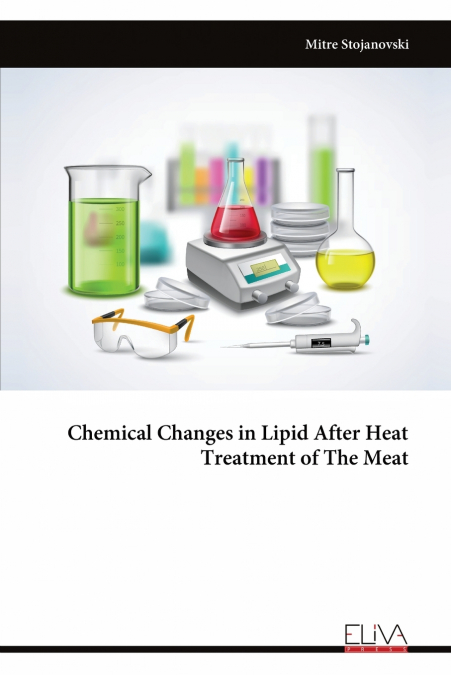
  • Chemical Changes in Lipid After Heat Treatment of The Meat
    Mitre Stojanovski
    Meat is a rich source of lightly-digestible proteins, fats, and minerals. The meat contains all the necessary nutrients in an appropriate ratio for maximum utilization by the human organism, and as a result, the meat is characterized by high digestibility of 96% and utilization of 98%, thus bringing meat into a high biological food product and nutritional value.The meat as a fo...
    Disponible

    47,76 €

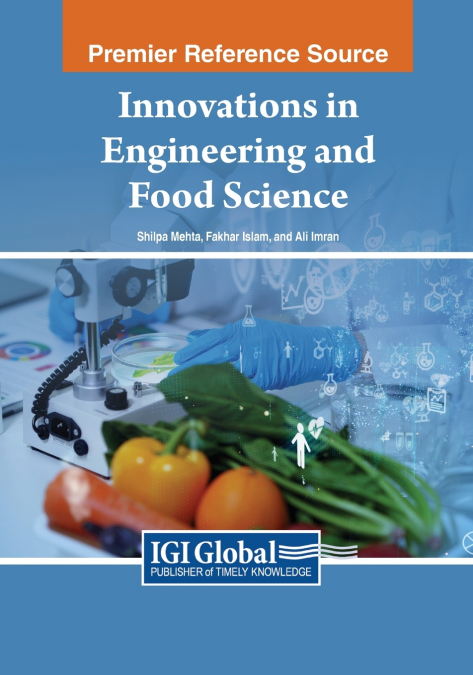
  • Innovations in Engineering and Food Science
    As the global population continues to grow, the depletion of Earth’s resources poses a significant challenge in ensuring food security for current and future generations. This book addresses this pressing issue by presenting innovative strategies and methods to reduce food loss, enhance production, identify alternative ingredients, and digitize the food system. It explores topi...
    Disponible

    262,26 €

  • Billion Dollar Burger
    Chase Purdy
    ...
    Disponible

    25,74 €