Inicio > Matemáticas y ciencia > Biologia, ciencias de la vida > Botánica y ciencias de las plantas > Évaluation de la culture de stévia dans la haute vallée de l’Itajaí - SC - Brésil
Évaluation de la culture de stévia dans la haute vallée de l’Itajaí - SC - Brésil

Évaluation de la culture de stévia dans la haute vallée de l’Itajaí - SC - Brésil

Cícero Deschamps / Rômulo João Debarba

44,13 €
IVA incluido
Disponible
Editorial:
KS OmniScriptum Publishing
Año de edición:
2024
Materia
Botánica y ciencias de las plantas
ISBN:
9786207706990
44,13 €
IVA incluido
Disponible

Selecciona una librería:

  • Librería Samer Atenea
  • Librería Aciertas (Toledo)
  • Kálamo Books
  • Librería Perelló (Valencia)
  • Librería Elías (Asturias)
  • Donde los libros
  • Librería Kolima (Madrid)
  • Librería Proteo (Málaga)

La stévia (Stevia rebaudiana Bertoni), une plante vivace originaire de la chaîne montagneuse de l’Amambaí, une région située entre le Brésil et le Paraguay, appartient à la famille des Astéracées et produit deux métabolites secondaires d’intérêt économique, le stévioside (Est) et le rébaudioside A (Reb A). Ces métabolites sont respectivement 300 et 450 fois plus sucrés que le saccharose et ont des propriétés antiacides, cardiotoniques, anticaries, antirotavirus, une activité antimicrobienne, des effets antioxydants, antihyperglycémiques et insulinotropes qui contribuent au traitement du diabète de type 2 et stimulent la sécrétion d’insuline en agissant sur les cellules β du pancréas. Dans la région de l’Alto Vale do Itajaí, la culture de la stévia pourrait devenir une alternative viable à la culture du tabac, mais pour cela nous avons besoin de génotypes adaptés et productifs pour la région. L’objectif de cette étude était d’évaluer la production de biomasse et l’accumulation de stévioside et de rébaudioside A dans la région de l’Alto Vale do Itajaí - Santa Catarina - Brésil.
Artículos relacionados

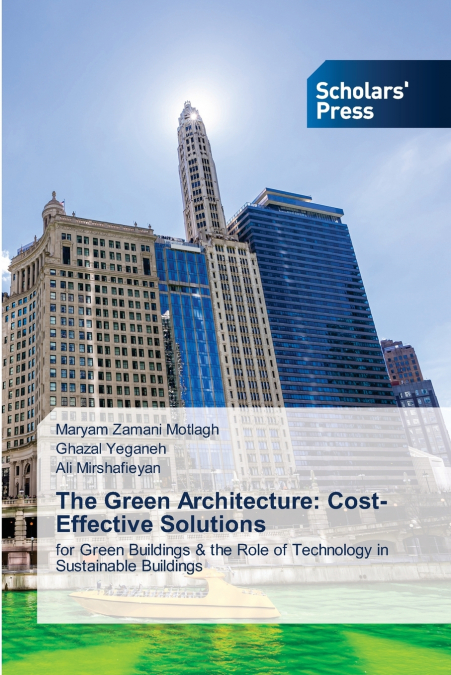
  • The Green Architecture
    Ali Mirshafieyan / Ghazal Yeganeh / Maryam Zamani Motlagh
    Protecting green energy as well as non-renewable energy, as well as their sustainable use, many advances in the technology of extracting oil products and other reserves under the ground have caused many improvements. In this regard, proposing the design of buildings in which the consumption of fossil fuels reaches its lowest level is considered one of the important solutions in...
    Disponible

    82,54 €

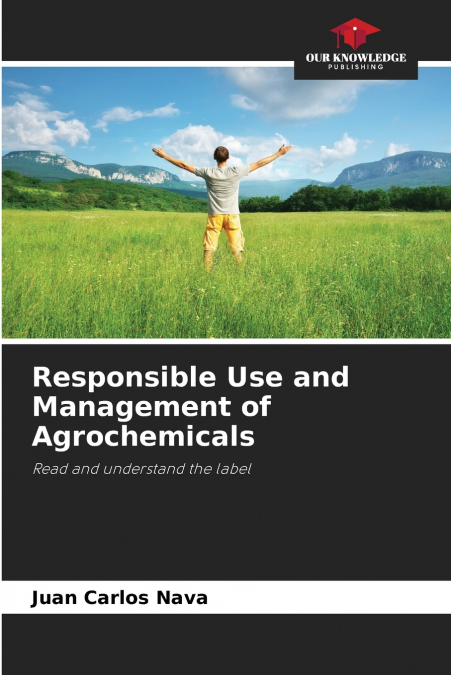
  • Responsible Use and Management of Agrochemicals
    Juan Carlos Nava
    Uso y manejo responsable de agroquímicos is a work product of the author’s experiences (undergraduate and graduate professor, with research and extension projects), aimed at producers, companies, professionals, students, advisors, researchers, among others.Due to its structure and content, it is expected to be a valuable aid to all people directly or indirectly involved in the ...
    Disponible

    49,45 €

  • Hope in the Soil
    Ellen G White
    Before edible classrooms began 'sprouting' in elementary schools, before buzzwords like 'sustainable agriculture', 'organic,' or 'veganic' came into existence, an exceptional woman named Ellen G. White penned numerous letters and articles on the importance of farming, an outdoor life, and manual labor. Though often remembered for other things, Mrs. White was actively engaged in...
    Disponible

    18,38 €

  • The Green Revolution
    Binitha Sophine Emmanuel
    The Green Revolution, a transformative era in the annals of agriculture, emerged as a game-changing force during the mid-20th century, fundamentally reshaping the methodology of food production and steering the trajectory of global food security. Characterized by a sequence of technological breakthroughs, the Green Revolution aimed to substantially augment agricultural producti...
    Disponible

    53,23 €

  • Utilization of Stingless Bees, Tetragonula laeviceps (Smith)
    Dr. J. J. Pastagia / Dr. V. C. Gadhiya
    The present investigations on utilization of stingless bees, T. laeviceps Smith in net house condition carried out with the broad aspects like flowers visited by stingless bees, T. laeviceps Smith, toxicity of insecticides to T. laeviceps Smith workers, floral biology of musk melon, foraging behavior of stingless bees, T. laeviceps Smith in net house condition, effect of pollin...
    Disponible

    84,80 €

  • La révolution verte
    Binitha Sophine Emmanuel
    La révolution verte, une ère transformatrice dans les annales de l’agriculture, est apparue comme une force qui a changé la donne au milieu du 20e siècle, remodelant fondamentalement la méthodologie de la production alimentaire et orientant la trajectoire de la sécurité alimentaire mondiale. Caractérisée par une série de percées technologiques, la révolution verte visait à augm...
    Disponible

    53,29 €

Otros libros del autor

  • Evaluation of the Stevia crop in the Upper Itajaí Valley - SC - Brazil
    Cícero Deschamps / Rômulo João Debarba
    Stevia (Stevia rebaudiana Bertoni), a perennial plant native to the Amambaí mountain range, a region located between Brazil and Paraguay, belongs to the Asteraceae family and produces two secondary metabolites of economic interest, stevioside (Est) and rebaudioside A (Reb A). These metabolites are, respectively, 300 and 450 times sweeter than sucrose and have antacid, cardioton...
    Disponible

    44,13 €

  • Bewertung des Stevia-Anbaus im oberen Itajaí-Tal - SC - Brasilien
    Cícero Deschamps / Rômulo João Debarba
    Stevia (Stevia rebaudiana Bertoni), eine mehrjährige Pflanze, die im Amambaí-Gebirge, einer Region zwischen Brasilien und Paraguay, beheimatet ist, gehört zur Familie der Korbblütler (Asteraceae) und produziert zwei Sekundärmetabolite von wirtschaftlichem Interesse, Steviosid (Est) und Rebaudiosid A (Reb A). Diese Metaboliten sind 300- bzw. 450-mal süßer als Saccharose und habe...
    Disponible

    44,13 €

  • Valutazione della coltura della Stevia nell’Alta Valle dell’Itajaí - SC - Brasile
    Cícero Deschamps / Rômulo João Debarba
    La stevia (Stevia rebaudiana Bertoni), una pianta perenne originaria della catena montuosa dell’Amambaí, una regione situata tra Brasile e Paraguay, appartiene alla famiglia delle Asteraceae e produce due metaboliti secondari di interesse economico, lo stevioside (Est) e il rebaudioside A (Reb A). Questi metaboliti sono, rispettivamente, 300 e 450 volte più dolci del saccarosio...
    Disponible

    44,13 €