
Die Religion und der Glaube der Igbo

Die Religion und der Glaube der Igbo

Chimaobi Okoroafor

58,09 €
IVA incluido
Disponible
Editorial:
KS OmniScriptum Publishing
Año de edición:
2024
ISBN:
9786207967018
58,09 €
IVA incluido
Disponible

Selecciona una librería:

  • Librería Samer Atenea
  • Librería Aciertas (Toledo)
  • Kálamo Books
  • Librería Perelló (Valencia)
  • Librería Elías (Asturias)
  • Donde los libros
  • Librería Kolima (Madrid)
  • Librería Proteo (Málaga)

Die Igbo im Süden Nigerias glauben an einen höchsten Gott namens Chukwu Abiama oder Chineke, was so viel bedeutet wie Gott, der alle Dinge erschaffen hat. Das Konzept von Chukwu (dem höchsten Gott) wurde im 18. Jahrhundert von den Aros von Arochukwu im östlichen Nigerdelta aufgrund ihres Betriebs des Ibini-Ukpabi-Orakels weit verbreitet. Die Igbo glauben, dass der höchste Gott, der nicht gesehen oder direkt erreicht werden kann, durch andere geringere Götter oder Geister, die arusi oder agbara genannt werden und die Form natürlicher Objekte haben, erreicht werden kann. Dibia und Hohepriester sind das Sprachrohr der Götter und die mystischen Vermittler zwischen der Welt der Menschen und der Welt der Geister. Sie fungieren als Heiler, Schriftgelehrte, Lehrer, Wahrsager und Berater der Menschen in der Gemeinschaft. Die Igbo glauben, dass ihre Vorfahren in der Geisterwelt leben, wo sie kontaktiert werden können. Unterhalb der arusis befinden sich die kleineren und allgemeineren Geister, die als mmuo bekannt sind und lose durch ihre wahrgenommene böswillige oder gutartige Natur definiert werden. Diese kleineren Geister werden nicht verehrt und werden manchmal als die verlorenen Seelen der Toten betrachtet. Zu den heute noch praktizierten Elementen der Igbo-Religion gehören Erntezeremonien wie das New Yam Festival, ekpe, ekpo und mmanwu.
Artículos relacionados

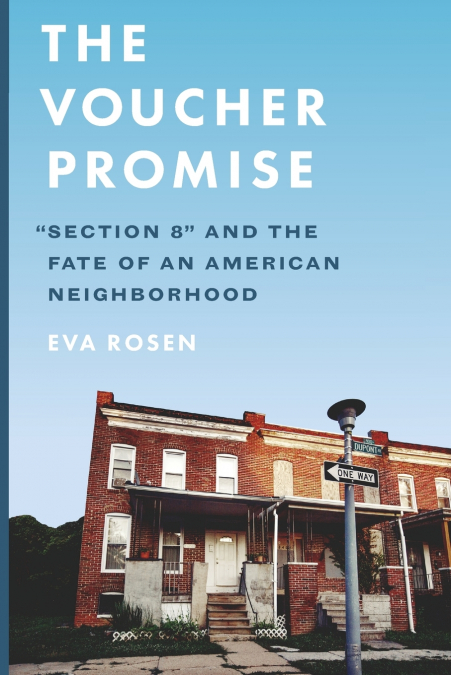
  • The Voucher Promise
    Eva Rosen
    'A must-read for anyone interested in solutions to America’s housing crisis.'-Matthew Desmond, Pulitzer Prize-winning author of Evicted: Poverty and Profit in the American CityAn in-depth look at America’s largest rental assistance program and how it shapes the lives of residents in one low-income Baltimore neighborhoodHousing vouchers are a cornerstone of US federal housing po...
    Disponible

    27,60 €

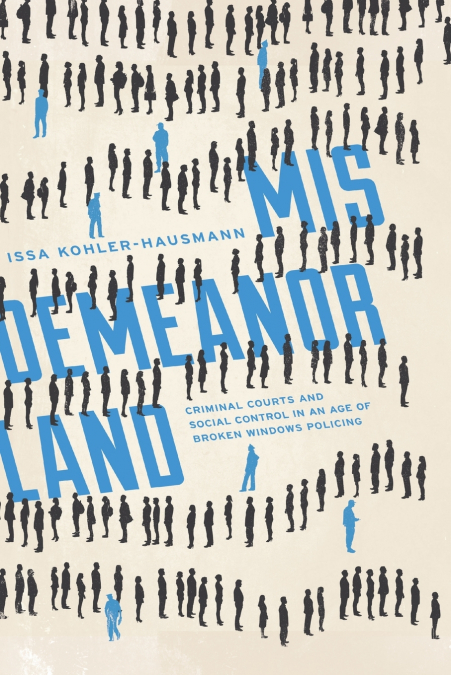
  • Misdemeanorland
    Issa Kohler-Hausmann
    "An eye-opening account of the criminal justice system’s often overlooked creaky gears."—Sam Roberts, New York TimesIn the early 1990s, New York City launched an initiative under the banner of Broken Windows policing to dramatically expand enforcement against low-level offenses. Misdemeanorland is the first book to document the fates of the hundreds of thousands of people haule...
    Disponible

    31,88 €

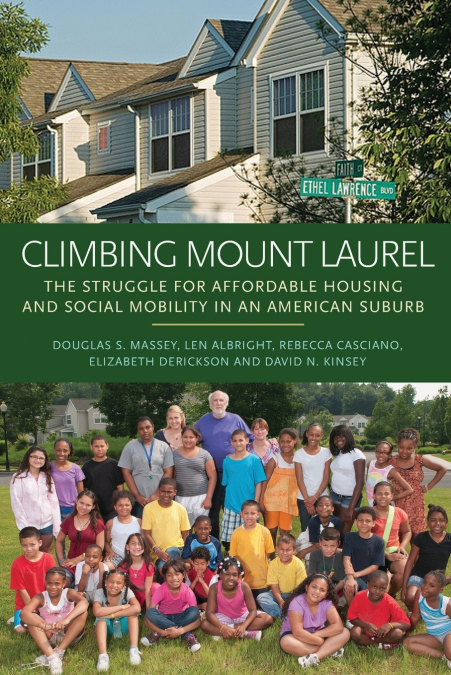
  • Climbing Mount Laurel
    Douglas S. Massey / Len Albright / Rebecca Casciano
    A close look at the aftereffects of the Mount Laurel affordable housing decisionUnder the New Jersey State Constitution as interpreted by the State Supreme Court in 1975 and 1983, municipalities are required to use their zoning authority to create realistic opportunities for a fair share of affordable housing for low- and moderate-income households. Mount Laurel was the town at...
    Disponible

    40,33 €

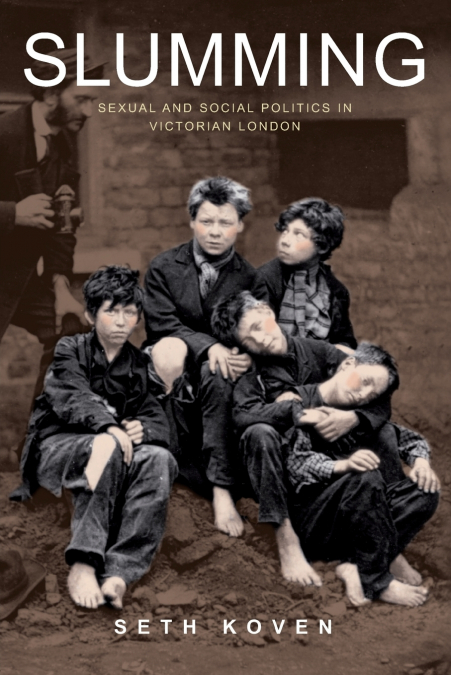
  • Slumming
    Seth Koven
    In the 1880s, fashionable Londoners left their elegant homes and clubs in Mayfair and Belgravia and crowded into omnibuses bound for midnight tours of the slums of East London. A new word burst into popular usage to describe these descents into the precincts of poverty to see how the poor lived: slumming. In this captivating book, Seth Koven paints a vivid portrait of the pract...
    Disponible

    60,59 €

  • Does Skill Make Us Human?
    Natasha Iskander
    An in-depth look at Qatar’s migrant workers and the place of skill in the language of control and powerSkill-specifically the distinction between the 'skilled' and 'unskilled'-is generally defined as a measure of ability and training, but Does Skill Make Us Human? shows instead that skill distinctions are used to limit freedom, narrow political rights, and even deny access to i...
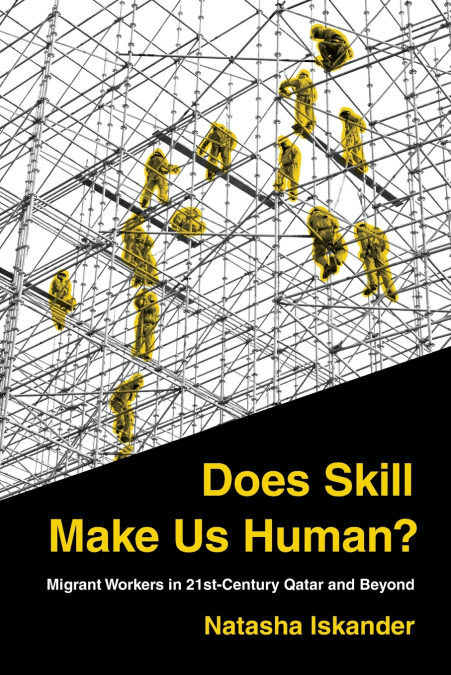
  • Does Skill Make Us Human?
    Natasha Iskander
    An in-depth look at Qatar’s migrant workers and the place of skill in the language of control and powerSkill-specifically the distinction between the 'skilled' and 'unskilled'-is generally defined as a measure of ability and training, but Does Skill Make Us Human? shows instead that skill distinctions are used to limit freedom, narrow political rights, and even deny access to i...
    Disponible

    40,03 €

Otros libros del autor

  • Retracer la religion et les croyances igbo
    Chimaobi Okoroafor
    L’Igboland, situé dans la partie méridionale du Nigeria, croit en un dieu suprême appelé Chukwu Abiama ou Chineke, ce qui signifie Dieu qui a créé toutes les choses. Le concept de chukwu (le dieu suprême) a été largement propagé par les Aros d’Arochukwu, dans le delta oriental du Niger, au XVIIIe siècle, en raison de leur utilisation de l’oracle Ibini ukpabi. Les Igbo croient q...
    Disponible

    58,09 €

  • Ripercorrere la religione e le credenze degli igbo
    Chimaobi Okoroafor
    L’Igboland, situato nella parte meridionale della Nigeria, crede in un dio supremo chiamato Chukwu Abiama o Chineke, che significa Dio che ha creato tutte le cose. Il concetto di chukwu (il dio supremo) è stato ampiamente propagato dagli Aros di Arochukwu, nel Delta del Niger orientale, nel XVIII secolo, grazie all’utilizzo dell’oracolo Ibini ukpabi. Gli Igbo credono che il Dio...
    Disponible

    58,03 €

  • Retrato da religião e crença igbo
    Chimaobi Okoroafor
    A região de Igboland, situada na parte sul da Nigéria, acredita num deus supremo chamado Chukwu Abiama ou Chineke, que significa Deus que criou todas as coisas. O conceito de chukwu (o deus supremo) foi largamente propagado pelos Aros de Arochukwu, no delta oriental do Níger, no século XVIII, devido ao facto de utilizarem o oráculo Ibini ukpabi. Os Igbo acreditam que o Deus sup...
    Disponible

    58,03 €