Candida albicans

Candida albicans

Anitha Dayakar / Shaila M / Supriya H

66,66 €
IVA incluido
Disponible
Editorial:
KS OmniScriptum Publishing
Año de edición:
2026
ISBN:
9786209543364
66,66 €
IVA incluido
Disponible

Selecciona una librería:

  • Librería Samer Atenea
  • Kálamo Books
  • Librería Elías (Asturias)
  • Librería Kolima (Madrid)
  • Librería Proteo (Málaga)

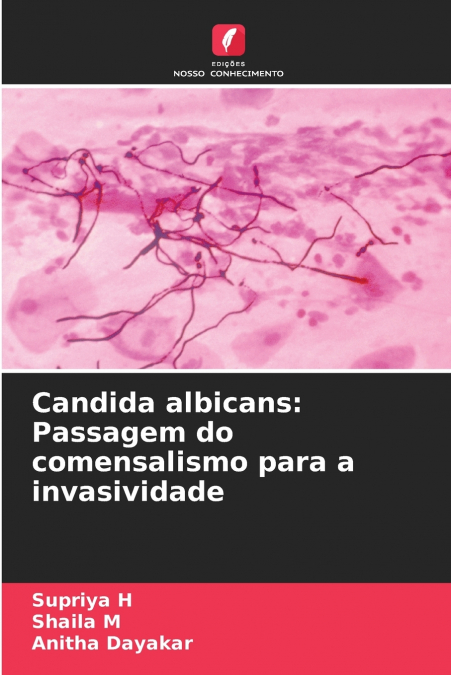
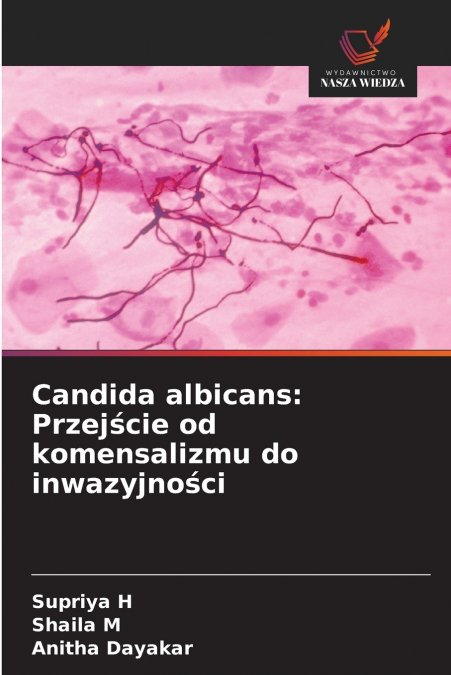
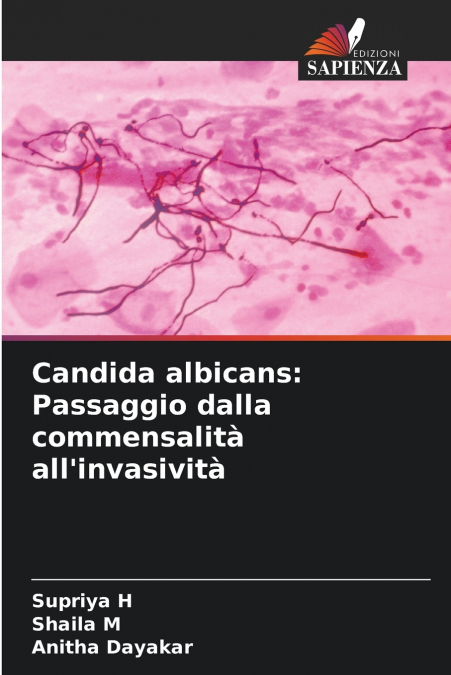
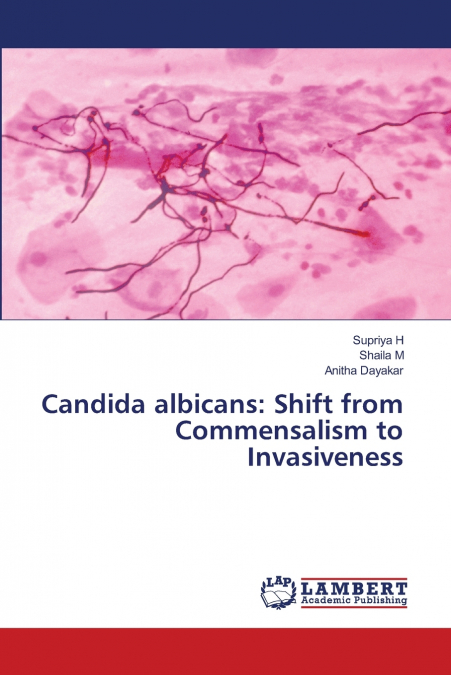
The predominant fungi isolated from human mouth belong to the genus Candida, and while there are more than 150 Candida species, approximately only 10 of these colonize the oral cavity. Candida albicans (C. albicans) is the most prevalent species recognized (70 to 75% of isolates), followed by C. glabrata and C. tropicalis (7% of isolates). Array of factors including host, systemic and iatrogenic has been associated with an increase in the incidence of opportunistic infections involving Candida and thus regarded as pathogenic species. The transition of this innocuous commensal into disease-causing ’parasite’ may be associated with the virulence attributes of the microorganism and an array of host factors. Factors contributing to the pathogenicity include surface molecules which mediate adhesion to and invasion into host cells, secretion of hydrolases, yeast-to-hypha transition, contact sensing and thigmotropism, biofilm formation, phenotypic switching and a range of fitness attributes. Here we overview the various modalities as how this normal commensal turns pathogenic, it’s possible interactions with host epithelial cells and role in malignant transformation of oral mucosa.

Artículos relacionados

  • Technological Change and the British Iron Industry, 1700-1870
    Charles K. Hyde
    This book describes technological change in an industry that played a central role in the Indsutrial Revolution. While earlier scholars have examined isolated aspects of ironmaking in the eighteenth- and nineteenth-century Britain, Charles Hyde surveys all aspects of its development. Costs, prices, profits, shrewd leaders, competition, new inventions, and productivity all figur...
    Disponible

    69,93 €

  • Corporate Governance in Asia
    ...
    Disponible

    76,68 €

  • The European Guilds
    Sheilagh Ogilvie
    A comprehensive analysis of European craft guilds through eight centuries of economic historyGuilds ruled many crafts and trades from the Middle Ages to the Industrial Revolution, and have always attracted debate and controversy. They were sometimes viewed as efficient institutions that guaranteed quality and skills. But they also excluded competitors, manipulated markets, and ...
  • Technological Change and the British Iron Industry, 1700-1870
    Charles K. Hyde
    This book describes technological change in an industry that played a central role in the Indsutrial Revolution. While earlier scholars have examined isolated aspects of ironmaking in the eighteenth- and nineteenth-century Britain, Charles Hyde surveys all aspects of its development. Costs, prices, profits, shrewd leaders, competition, new inventions, and productivity all figur...
  • Technology Differences over Space and Time
    Francesco Caselli
    Technology Differences over Space and Time looks at how countries use their productive resources-such as workers, skills, equipment and structures, and natural resources. Francesco Caselli develops methods to assess the efficiency with which productive inputs are used, and how these efficiencies vary across countries and over time.Caselli finds that richer countries use skilled...
  • Cybersecurity Measures for Logistics Industry Framework
    Global supply chains are becoming more customer-centric and sustainable thanks to next-generation logistics management technologies. Automating logistics procedures greatly increases the productivity and efficiency of the workflow. There is a need, however, to create flexible and dynamic relationships among numerous stakeholders and the transparency and traceability of the supp...

Otros libros del autor

  • Candida albicans
    Anitha Dayakar / Shaila M / Supriya H
    Les champignons prédominants isolés dans la bouche humaine appartiennent au genre Candida, et bien qu’il existe plus de 150 espèces de Candida, seules 10 d’entre elles environ colonisent la cavité buccale. Candida albicans (C. albicans) est l’espèce la plus répandue (70 à 75 % des isolats), suivie par C. glabrata et C. tropicalis (7 % des isolats). Un ensemble de facteurs inclu...
    Disponible

    66,79 €

  • Candida albicans
    Anitha Dayakar / Shaila M / Supriya H
    Die vorherrschenden Pilze, die aus dem menschlichen Mund isoliert werden, gehören zur Gattung Candida, und obwohl es mehr als 150 Candida-Arten gibt, besiedeln nur etwa 10 von ihnen die Mundhöhle. Candida albicans (C. albicans) ist die am häufigsten erkannte Art (70 bis 75 % der Isolate), gefolgt von C. glabrata und C. tropicalis (7 % der Isolate). Eine Reihe von Faktoren, eins...
    Disponible

    66,79 €

  • Candida albicans
    Anitha Dayakar / Shaila M / Supriya H
    Os fungos predominantes isolados da boca humana pertencem ao género Candida, e embora existam mais de 150 espécies de Candida, aproximadamente apenas 10 destas colonizam a cavidade oral. A Candida albicans (C. albicans) é a espécie mais prevalente reconhecida (70 a 75% dos isolados), seguida da C. glabrata e da C. tropicalis (7% dos isolados). Uma série de factores, incluindo o...
    Disponible

    66,79 €

  • Candida albicans
    Anitha Dayakar / Shaila M / Supriya H
    Dominujące grzyby izolowane z jamy ustnej człowieka należą do rodzaju Candida i chociaż istnieje ponad 150 gatunków Candida, około tylko 10 z nich kolonizuje jamę ustną. Candida albicans (C. albicans) jest najczęściej rozpoznawanym gatunkiem (70-75% izolatów), a następnie C. glabrata i C. tropicalis (7% izolatów). Szereg czynników, w tym czynniki gospodarza, ogólnoustrojowe i j...
    Disponible

    66,79 €

  • Candida albicans
    Anitha Dayakar / Shaila M / Supriya H
    I funghi predominanti isolati dalla bocca umana appartengono al genere Candida e, sebbene esistano più di 150 specie di Candida, circa solo 10 di queste colonizzano la cavità orale. Candida albicans (C. albicans) è la specie più diffusa (70-75% degli isolati), seguita da C. glabrata e C. tropicalis (7% degli isolati). Una serie di fattori, tra cui l’ospite, sistemici e iatrogen...
    Disponible

    66,73 €