 Librería Samer Atenea
 Kálamo Books
 Librería Elías (Asturias)
 Librería Kolima (Madrid)
 Librería Proteo (Málaga)
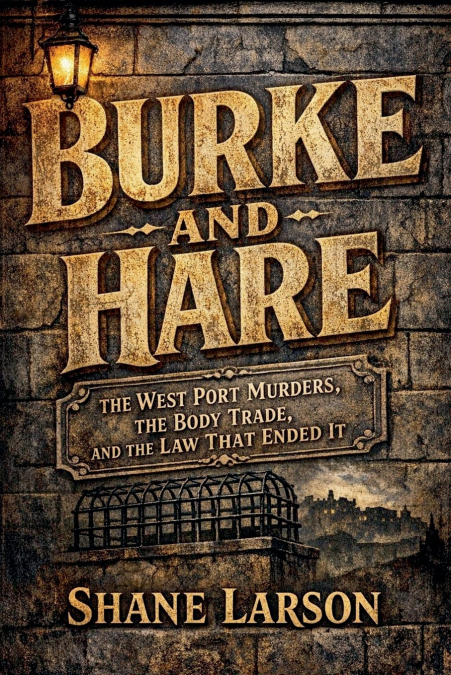
Burke and Hare never robbed a grave. They cut out the waiting.In November 1827 an old soldier died in an Edinburgh lodging house owing his landlord four pounds. The landlord, William Hare, and a lodger, William Burke, filled the coffin with bark and sold the body to an anatomy school for £7 10s. Over the next year they killed sixteen people, most of them poor and unlikely to be missed, and sold every one to the same school in Surgeons’ Square.Only Burke hanged. Hare gave evidence for the Crown and walked out of Scotland. Dr. Robert Knox, whose assistants paid for the bodies, was never charged. This book follows the money: a legal supply of a few hanged murderers a year, hundreds of students who each needed a body, and the trade in the dead that filled the gap, from the Murder Act of 1752 to the Anatomy Act of 1832.What you’ll learn:How the resurrection men worked, what a body cost, and why stealing one was barely a crimeWho the sixteen were, as far as two conflicting confessions allowWhy the Crown bought Hare’s evidence, and what 'not proven' meant for Helen McDougalHow a copycat murder in London forced Parliament to actHow the law that ended body-snatching gave the surgeons the workhouse dead insteadThis book is for you if you read true crime for the record and not the legend, and want the victims named and the violence left undramatized.The murders took nine months. The law they produced shaped how the poor of Britain died for a century.