Librería Samer Atenea
 Librería Aciertas (Toledo)
 Kálamo Books
 Librería Perelló (Valencia)
 Librería Elías (Asturias)
 Donde los libros
 Librería Kolima (Madrid)
 Librería Proteo (Málaga)
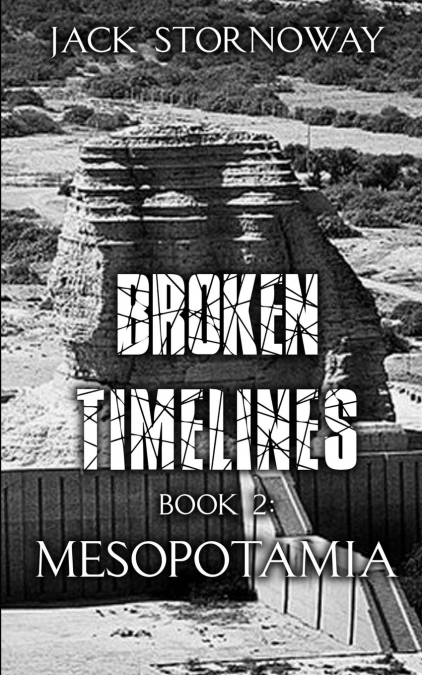
The current conventional Harappan and Indo-European timelines are impossible. Believing in them means endorsing the idea the Harappan, arguably the largest civilization of the Bronze Age lagged thousand years technically behind the minor nations that surrounded them. Likewise, it means their major trading partners, the Sumerians, Elamites, and Akkadians were all technology backwards, compared to the minor nations of India, Central Asia, and even the middle of the Sahara, which all were smelting iron long before iron smelting was adopted by the major powers. DNA has now proven that the population of northern India was the same in 2400 BC as it is today, which, in the conventional timelines means the Vedas would have had to have been written in the Indus Valley Civilization, yet, the Harappans mainly used boats to travel the rivers of India, and there is no evidence of horses or horse burials in the Indus Valley Civilization. So why did horses get mentioned so much in the Vedas? Why write major hymns about hurrying animals you don’t have? Why didn’t they mention boats, which they basically lived in?The fact is that Indo-Europeans have lived in India and Pakistan since at least 2400 BC, yet, there are no traces of Indo-European words in the languages of Mesopotamia until around 1500 BC according to the Conventional Mesopotamian Timeline, when Mesopotamians adopted Indo-Aryan terms for horses and chariots, even though they’d had both horses and chariots since 2400 BC, again according to the conventional timelines. Meanwhile, their other major trading partner, Egypt, did not have access to horses or chariots until around 1600 BC? These cultures trades everything from rock and metals to food and timber, but no one thought to import horses, even though there were over land trade routes? They trades everything from gods to the designs for buildings, and even the underlying concepts of writing, yet no one thought the wheel might be useful?The existence of massive Harappan-like cities both on land and under submerged coasts, all of which have been carbon dated to thousands of years before the Conventional Harappan Timeline, prove that the random guess-work of the earliest Indologists in the 1920s just isn’t right. So, why with all the modern techniques and evidence, both in South Asia, and through Central Asia all the way into Eastern Europe, do we cling to their random guess-work? Simply put, the timelines of the Harappans and Indo-Europeans cannot be adjusted, without forcing a correction on the conventional timelines of Mesopotamia and Egypt as well.Unfortunately, the timelines of Egypt and Sumer are the two pillars that ancient history is built around. As the early Sumerians were trading with the early Egyptians, Assyriologists have been forced to synchronize the Mesopotamian timeline with the preposterous timeline used by Egyptologists. While this means that most of Sumerian history has to be ignored, is also affects the timelines of all other Eurasian cultures in contact with the Mesopotamian. The Harappan civilization of ancient India was trading with the Sumerians throughout its history and went into decline around the end of the Sumero-Akkadian dynastic period, which means the entire Harappan civilization is forced to correlate with the short Conventional Mesopotamian Timeline. This forced the entire Harappan timeline into a period of 2000 years, even though some of the archaeological sites in Pakistan and India have been carbon-dated back to over 8000 BC. These broken timelines then fan out further pulling the Minoans and Greeks, Iranians, and Chinese into this confusing mess.