Aspects de l’esclavage dans les discours de Dion Chrysostome

Aspects de l’esclavage dans les discours de Dion Chrysostome

Konstantinos Mantas

35,69 €
IVA incluido
Disponible
Editorial:
KS OmniScriptum Publishing
Año de edición:
2025
Materia
Filosofía occidental: antigua, hasta c. 500
ISBN:
9786208993078
35,69 €
IVA incluido
Disponible

Selecciona una librería:

  • Librería Samer Atenea
  • Librería Aciertas (Toledo)
  • Kálamo Books
  • Librería Perelló (Valencia)
  • Librería Elías (Asturias)
  • Donde los libros
  • Librería Kolima (Madrid)
  • Librería Proteo (Málaga)

Dion Chrysostome était membre de la Seconde Sophistique, un mouvement intellectuel du début de l’époque impériale dans le monde gréco-romain. Malgré son nom, la Seconde Sophistique n’avait pas grand-chose à voir avec la Sophistique originale du Ve siècle av. J.-C., dont les membres étaient des intellectuels de premier ordre à tendance idéologique démocratique. Au contraire, Dion et les autres membres de la Seconde Sophistique étaient plutôt des intellectuels de second ordre aux idées conformistes. Dion était toutefois un brillant rhétoricien et un homme plus humain envers les classes populaires. Dans son œuvre volumineuse qui nous est parvenue, il s’est servi de son cynisme et de son stoïcisme pour construire, entre autres, une idéologie de l’esclavage et de la liberté comme conditions spirituelles et ésotériques de l’esprit. Ses discours présentent donc moins d’intérêt en tant que sources d’histoire sociale. Ses opinions ont influencé les Pères chrétiens, les aidant ainsi à construire leur théorie sociale et philosophique. Ce livre pourrait donc intéresser les personnes qui souhaitent s’informer sur l’histoire de l’idée de l’esclavage, en particulier au Ier et au IIe siècle après J.-C.

Artículos relacionados

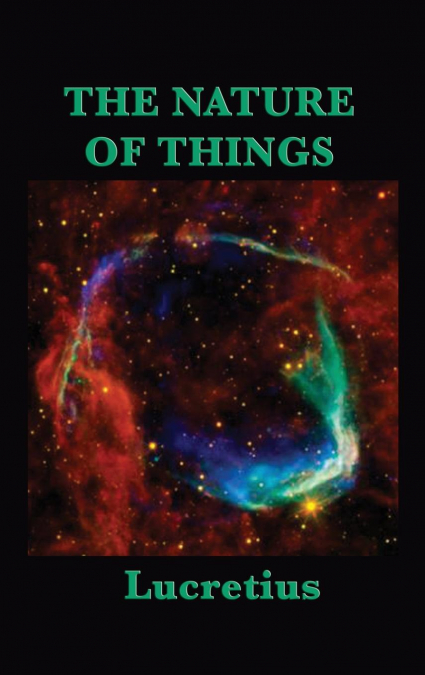
  • The Nature of Things
    Lucretius Lucretius
    De rerum natura (On the Nature of Things) is a 1st century BC didactic poem by the Roman poet and philosopher Lucretius with the goal of explaining Epicurean philosophy to a Roman audience. Lucretius presents the principles of atomism; the nature of the mind and soul; explanations of sensation and thought; the development of the world and its phenomena; and explains a variety o...
  • Pompeii
    Fergus Mason
    Pompeii was one of most advanced cities of its time; it had a complex water system, gymnasium, and an amphitheater. Despite it's advancements, there was one thing it wasn't ready for: Mount Vesuvius—the volcano that led to its ultimate doom.  The 79 AD eruption of Mount Vesuvius was one of the worst disasters in all of European history. In a near instant, over 15,000 p...
    Disponible

    10,36 €

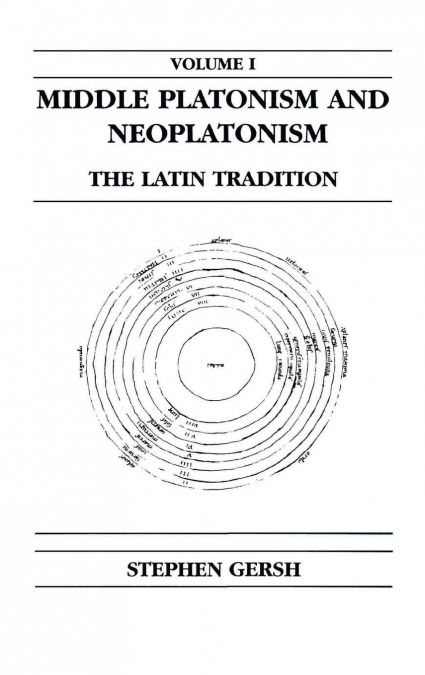
  • Middle Platonism and Neoplatonism, Volume 1
    Stephen Gersh
    'It is generally agreed that those types of philosophy that are loosely called ’Platonic’ and ’Neoplatonic’ played a crucial role in the history of European culture during the centuries between antiquity and the Renaissance. However, until now no scholar has attempted to describe the evolution of these forms of thought in a single comprehensive academic study.' So writes Stephe...
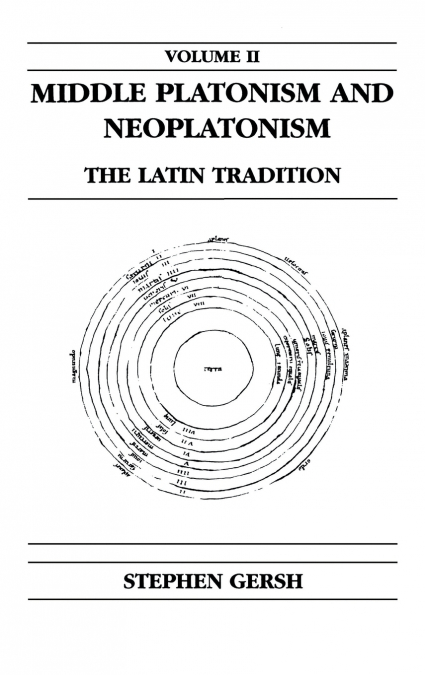
  • Middle Platonism and Neoplatonism, Volume 2
    Stephen Gersh
    It is generally agreed that those types of philosophy that are loosely called 'Platonic' and 'Neoplatonic' played a crucial role in the history of European culture during the centuries between antiquity and the Middle Ages. However, until now no scholar has attempted to describe the evolution of these forms of thought in a single comprehensive academic study. Middle Platonism a...
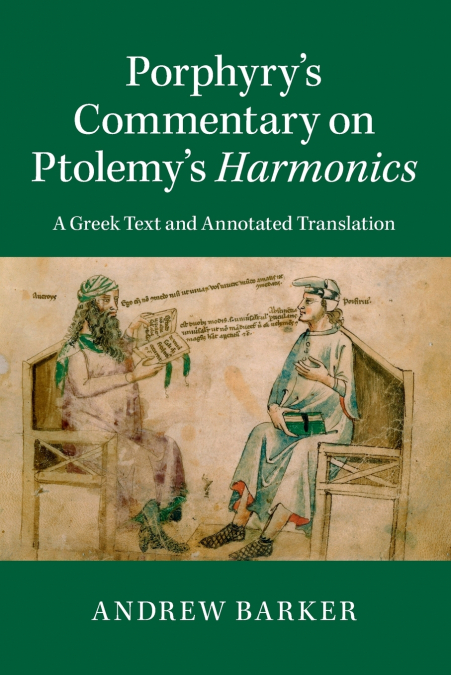
  • Porphyry’s Commentary on Ptolemy’s Harmonics
    Andrew Barker
    ...
    Disponible

    77,17 €

  • The Roots of Platonism
    John Dillon
    ...
    Disponible

    25,29 €

Otros libros del autor

  • Aspectos da escravatura nos discursos de Dio Chrysostomos
    Konstantinos Mantas
    Dio Chrysostomos foi membro da Segunda Sofística, um movimento intelectual do início do período imperial no mundo greco-romano. Apesar do nome, a Segunda Sofística tinha pouco a ver com a Sofística original do século V a.C., cujos membros eram intelectuais de primeira linha com disposição ideológica democrática. Pelo contrário, Dio e os outros membros da Segunda Sofística eram ...
    Disponible

    35,69 €

  • Aspekte der Sklaverei in den Reden von Dio Chrysostomos
    Konstantinos Mantas
    Dio Chrysostomos war Mitglied der Zweiten Sophistik, einer intellektuellen Bewegung der frühen Kaiserzeit im griechisch-römischen Raum. Trotz ihres Namens hatte die Zweite Sophistik wenig mit der ursprünglichen Sophistik des 5. Jahrhunderts v. Chr. zu tun, deren Mitglieder erstklassige Intellektuelle mit demokratischer Gesinnung waren. Im Gegenteil, Dio und die anderen Mitglied...
    Disponible

    35,76 €

  • Aspetti della schiavitù nei discorsi di Dio Crisostomo
    Konstantinos Mantas
    Dio Crisostomo era un membro della Seconda Sofistica, un movimento intellettuale del primo periodo imperiale nel mondo greco-romano. Nonostante il nome, la Seconda Sofistica aveva poco a che fare con la Sofistica originale del V secolo a.C., i cui membri erano intellettuali di prim’ordine con una disposizione ideologica democratica. Al contrario, Dio e gli altri membri della Se...
    Disponible

    35,69 €

  • Aspekty niewolnictwa w dyskursach Dio Chrysostoma
    Konstantinos Mantas
    Dio Chrysostom był członkiem Drugiej Sofistyki, ruchu intelektualnego wczesnego okresu imperialnego w świecie grecko-rzymskim. Pomimo swojej nazwy, Druga Sofistyka miała niewiele wspólnego z pierwotną sofistyką z V wieku p.n.e., której członkowie byli pierwszorzędnymi intelektualistami o demokratycznych poglądach ideologicznych. Wręcz przeciwnie, Dio i inni członkowie Drugiej S...
    Disponible

    35,69 €