Inicio > Matemáticas y ciencia > Biologia, ciencias de la vida > Botánica y ciencias de las plantas > Analiza genetyczna tolerancji na suszę u rącznika pospolitego
Analiza genetyczna tolerancji na suszę u rącznika pospolitego

Analiza genetyczna tolerancji na suszę u rącznika pospolitego

M.L Mini / R. Ushakumari / T. Radha Mani

98,59 €
IVA incluido
Disponible
Editorial:
KS OmniScriptum Publishing
Año de edición:
2026
Materia
Botánica y ciencias de las plantas
ISBN:
9786630343694
98,59 €
IVA incluido
Disponible

Selecciona una librería:

  • Librería Samer Atenea
  • Kálamo Books
  • Librería Elías (Asturias)
  • Librería Kolima (Madrid)
  • Librería Proteo (Málaga)

Rącznik pospolity (Ricinus communis L.) należy do jednogatunkowego rodzaju Ricinus z rodziny wilczomleczowatych (Euphorbiaceae) i jest jedną z najważniejszych niejedzonych roślin oleistych uprawianych w różnych krajach na całym świecie. Liczba jego chromosomów wynosi 20 (diploidalny). Jest to gatunek wykazujący polimorfizm płciowy, jednopienny, o protandrycznym systemie rozrodczym i silnie krzyżowo zapylany. Ze względu na swoją odporność rącznik odgrywa ważną rolę w gospodarce suchych i półsuchych regionów kraju. Uważa się, że rącznik pochodzi z regionu Etiopii w tropikalnej Afryce Wschodniej oraz z Indii. Nasiona rącznika zawierają 40-60% oleju, który jest olejem nie wysychającym. Ma on szerokie zastosowanie przemysłowe, ponieważ wykorzystuje się go do produkcji mydeł, rafinowanych i perfumowanych olejków do włosów, farb drukarskich, lakierów, żywic syntetycznych, kalki, smarów, maści, innych kosmetyków, skóry przetworzonej itp. Olej rycynowy jest źródłem kwasu sebacynowego, który wykorzystuje się do produkcji nylonu i żywic winylowych. Olej ten charakteryzuje się wysoką lepkością i zachowuje stabilność zarówno w wysokich, jak i niskich temperaturach, dzięki czemu jest stosowany jako środek smarny w silnikach o dużej prędkości obrotowej.
Artículos relacionados

  • The Green Architecture
    Ali Mirshafieyan / Ghazal Yeganeh / Maryam Zamani Motlagh
    Protecting green energy as well as non-renewable energy, as well as their sustainable use, many advances in the technology of extracting oil products and other reserves under the ground have caused many improvements. In this regard, proposing the design of buildings in which the consumption of fossil fuels reaches its lowest level is considered one of the important solutions in...
    Disponible

    82,54 €

  • Responsible Use and Management of Agrochemicals
    Juan Carlos Nava
    Uso y manejo responsable de agroquímicos is a work product of the author’s experiences (undergraduate and graduate professor, with research and extension projects), aimed at producers, companies, professionals, students, advisors, researchers, among others.Due to its structure and content, it is expected to be a valuable aid to all people directly or indirectly involved in the ...
    Disponible

    49,45 €

  • Hope in the Soil
    Ellen G White
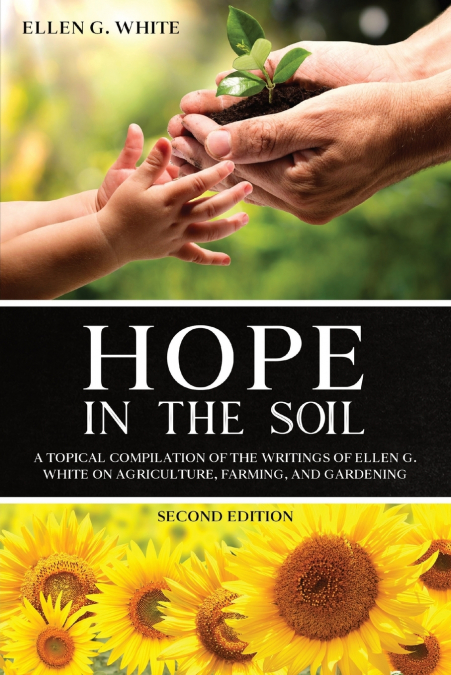
    Before edible classrooms began 'sprouting' in elementary schools, before buzzwords like 'sustainable agriculture', 'organic,' or 'veganic' came into existence, an exceptional woman named Ellen G. White penned numerous letters and articles on the importance of farming, an outdoor life, and manual labor. Though often remembered for other things, Mrs. White was actively engaged in...
    Disponible

    18,38 €

  • The Green Revolution
    Binitha Sophine Emmanuel
    The Green Revolution, a transformative era in the annals of agriculture, emerged as a game-changing force during the mid-20th century, fundamentally reshaping the methodology of food production and steering the trajectory of global food security. Characterized by a sequence of technological breakthroughs, the Green Revolution aimed to substantially augment agricultural producti...
    Disponible

    53,23 €

  • Utilization of Stingless Bees, Tetragonula laeviceps (Smith)
    Dr. J. J. Pastagia / Dr. V. C. Gadhiya
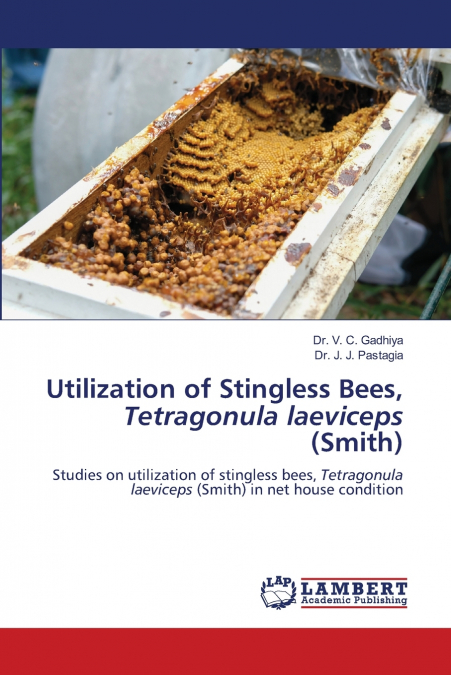
    The present investigations on utilization of stingless bees, T. laeviceps Smith in net house condition carried out with the broad aspects like flowers visited by stingless bees, T. laeviceps Smith, toxicity of insecticides to T. laeviceps Smith workers, floral biology of musk melon, foraging behavior of stingless bees, T. laeviceps Smith in net house condition, effect of pollin...
    Disponible

    84,80 €

  • La révolution verte
    Binitha Sophine Emmanuel
    La révolution verte, une ère transformatrice dans les annales de l’agriculture, est apparue comme une force qui a changé la donne au milieu du 20e siècle, remodelant fondamentalement la méthodologie de la production alimentaire et orientant la trajectoire de la sécurité alimentaire mondiale. Caractérisée par une série de percées technologiques, la révolution verte visait à augm...
    Disponible

    53,29 €

Otros libros del autor

  • Análise genética da tolerância à seca na mamona
    M.L Mini / R. Ushakumari / T. Radha Mani
    A mamona (Ricinus communis L.) pertence ao género monoespecífico Ricinus, da família das Euphorbiaceae, e é uma das mais importantes culturas oleaginosas não comestíveis cultivadas em vários países de todo o mundo. O seu número de cromossomas é 20 (diploide). Trata-se de uma espécie monoica sexualmente polimórfica, protândrica e de natureza altamente polinizada por cruzamento. ...
    Disponible

    98,65 €

  • Analisi genetica sulla tolleranza alla siccità del ricino
    M.L Mini / R. Ushakumari / T. Radha Mani
    Il ricino (Ricinus communis L.) appartiene al genere monospecifico Ricinus della famiglia delle Euphorbiaceae ed è una delle più importanti colture oleaginose non commestibili coltivate in vari paesi del mondo. Il suo numero cromosomico è 20 (diploide). Si tratta di una specie monoica sessualmente polimorfica, protandra e caratterizzata da un’elevata impollinazione incrociata. ...
    Disponible

    98,59 €

  • Genetische Analyse der Trockenheitstoleranz bei Rizinus
    M.L Mini / R. Ushakumari / T. Radha Mani
    Rizinus (Ricinus communis L.) gehört zur monospezifischen Gattung Ricinus der Familie der Euphorbiaceae und ist eine der wichtigsten nicht essbaren Ölsaaten, die in verschiedenen Ländern weltweit angebaut wird. Die Chromosomenzahl beträgt 20 (diploid). Es handelt sich um eine geschlechtlich polymorphe, einhäusige Art, die protandrisch ist und in hohem Maße fremdbestäubt wird. A...
    Disponible

    98,65 €