
Inicio > Matemáticas y ciencia > Biologia, ciencias de la vida > Botánica y ciencias de las plantas > Amélioration de la qualité des semences d’oignon pendant le stockage
Amélioration de la qualité des semences d’oignon pendant le stockage

Amélioration de la qualité des semences d’oignon pendant le stockage

Ashok Gaur / Sandeep K. Lal

115,78 €
IVA incluido
Disponible
Editorial:
KS OmniScriptum Publishing
Año de edición:
2026
Materia
Botánica y ciencias de las plantas
ISBN:
9786209935688
115,78 €
IVA incluido
Disponible

Selecciona una librería:

  • Librería Samer Atenea
  • Kálamo Books
  • Librería Elías (Asturias)
  • Librería Kolima (Madrid)
  • Librería Proteo (Málaga)

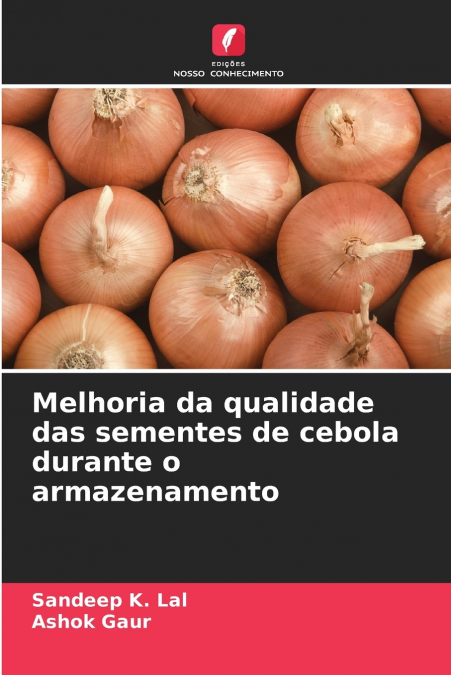
L’oignon (Allium cepa L.) est la deuxième culture horticole la plus importante au monde après la tomate, ce qui lui vaut le surnom de reine de la cuisine . L’Inde est le deuxième producteur mondial d’oignons après la Chine, avec une production d’environ 9,2 millions de tonnes sur quelque 0,7 million d’hectares. Les principaux États producteurs d’oignons en Inde sont le Maharashtra (23,16 %), le Gujarat (16,8 %) et l’Uttar Pradesh (12,46 %). Le piquant de l’oignon est dû à la présence de disulfure d’allyle et de propyle, un composé soufré. L’oignon possède également plusieurs propriétés médicinales et est donc exporté en quantités importantes vers plusieurs pays. L’amélioration de la qualité des semences est un traitement post-récolte qui améliore la germination et la croissance des plantules, et facilite la mise à disposition des semences et des autres matériaux nécessaires au moment du semis. L’amorçage et l’enrobage des semences sont de nouvelles techniques qui non seulement préservent la qualité des semences d’oignon pendant le stockage, mais l’améliorent également. La persistance des fongicides sur les semences est d’une importance capitale, car elle détermine la durée d’efficacité du traitement des semences pendant le stockage. Certains fongicides, quelle que soit la quantité de produit présente sur les semences, inhibent fortement l’apparition de champignons.
Artículos relacionados

  • The Green Architecture
    Ali Mirshafieyan / Ghazal Yeganeh / Maryam Zamani Motlagh
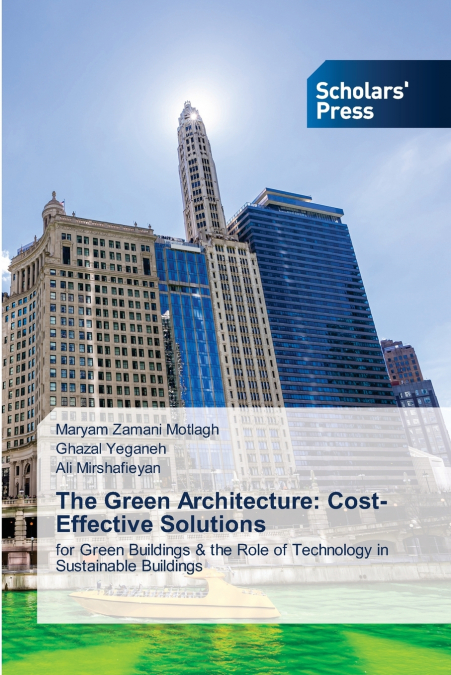
    Protecting green energy as well as non-renewable energy, as well as their sustainable use, many advances in the technology of extracting oil products and other reserves under the ground have caused many improvements. In this regard, proposing the design of buildings in which the consumption of fossil fuels reaches its lowest level is considered one of the important solutions in...
    Disponible

    82,54 €

  • Responsible Use and Management of Agrochemicals
    Juan Carlos Nava
    Uso y manejo responsable de agroquímicos is a work product of the author’s experiences (undergraduate and graduate professor, with research and extension projects), aimed at producers, companies, professionals, students, advisors, researchers, among others.Due to its structure and content, it is expected to be a valuable aid to all people directly or indirectly involved in the ...
    Disponible

    49,45 €

  • Hope in the Soil
    Ellen G White
    Before edible classrooms began 'sprouting' in elementary schools, before buzzwords like 'sustainable agriculture', 'organic,' or 'veganic' came into existence, an exceptional woman named Ellen G. White penned numerous letters and articles on the importance of farming, an outdoor life, and manual labor. Though often remembered for other things, Mrs. White was actively engaged in...
    Disponible

    18,38 €

  • The Green Revolution
    Binitha Sophine Emmanuel
    The Green Revolution, a transformative era in the annals of agriculture, emerged as a game-changing force during the mid-20th century, fundamentally reshaping the methodology of food production and steering the trajectory of global food security. Characterized by a sequence of technological breakthroughs, the Green Revolution aimed to substantially augment agricultural producti...
    Disponible

    53,23 €

  • Utilization of Stingless Bees, Tetragonula laeviceps (Smith)
    Dr. J. J. Pastagia / Dr. V. C. Gadhiya
    The present investigations on utilization of stingless bees, T. laeviceps Smith in net house condition carried out with the broad aspects like flowers visited by stingless bees, T. laeviceps Smith, toxicity of insecticides to T. laeviceps Smith workers, floral biology of musk melon, foraging behavior of stingless bees, T. laeviceps Smith in net house condition, effect of pollin...
    Disponible

    84,80 €

  • La révolution verte
    Binitha Sophine Emmanuel
    La révolution verte, une ère transformatrice dans les annales de l’agriculture, est apparue comme une force qui a changé la donne au milieu du 20e siècle, remodelant fondamentalement la méthodologie de la production alimentaire et orientant la trajectoire de la sécurité alimentaire mondiale. Caractérisée par une série de percées technologiques, la révolution verte visait à augm...
    Disponible

    53,29 €

Otros libros del autor

  • Verbesserung der Saatgutqualität von Zwiebeln während der Lagerung
    Ashok Gaur / Sandeep K. Lal
    Die Zwiebel (Allium cepa L.) ist weltweit nach der Tomate die zweitwichtigste Gartenbaukultur und wird daher auch als „Königin der Küche' bezeichnet. Indien ist nach China der zweitgrößte Zwiebelproduzent, da dort auf einer Fläche von etwa 0,7 Millionen Hektar rund 9,2 Millionen Tonnen Zwiebeln angebaut werden. Die wichtigsten Zwiebelanbaustaaten Indiens sind Maharashtra (23,16...
    Disponible

    115,77 €

  • Miglioramento della qualità dei semi di cipolla durante la conservazione
    Ashok Gaur / Sandeep K. Lal
    La cipolla (Allium cepa L.) è la seconda coltura orticola più importante al mondo dopo il pomodoro ed è per questo che viene anche definita la 'Regina della cucina'. L’India è il secondo produttore mondiale di cipolle dopo la Cina, con una produzione di circa 9,2 milioni di tonnellate su una superficie di circa 0,7 milioni di ettari. I principali stati produttori di cipolla in ...
    Disponible

    102,74 €

  • Melhoria da qualidade das sementes de cebola durante o armazenamento
    Ashok Gaur / Sandeep K. Lal
    A cebola (Allium cepa L.) é a segunda cultura hortícola mais importante do mundo, a seguir ao tomate, sendo por isso também conhecida como a Rainha da Cozinha. A Índia é o segundo maior produtor mundial de cebola, a seguir à China, produzindo cerca de 9,2 milhões de toneladas de cebola em cerca de 0,7 milhões de hectares. Os principais estados produtores de cebola da Índia são ...
    Disponible

    115,78 €

  • Poprawa jakości nasion cebuli podczas przechowywania
    Ashok Gaur / Sandeep K. Lal
    Cebula (Allium cepa L.) jest drugą po pomidorach najważniejszą rośliną ogrodniczą na świecie, dlatego nazywana jest również „królową kuchni'. Indie są drugim co do wielkości producentem cebuli po Chinach, produkując około 9,2 mln ton cebuli z upraw o powierzchni około 0,7 mln hektarów. Głównymi stanami produkującymi cebulę w Indiach są Maharasztra (23,16%), Gudźarat (16,8%) i U...
    Disponible

    102,74 €