Abdelmounaim Khemmouli / Yamina Haider
 Librería Samer Atenea
 Kálamo Books
 Librería Elías (Asturias)
 Librería Kolima (Madrid)
 Librería Proteo (Málaga)
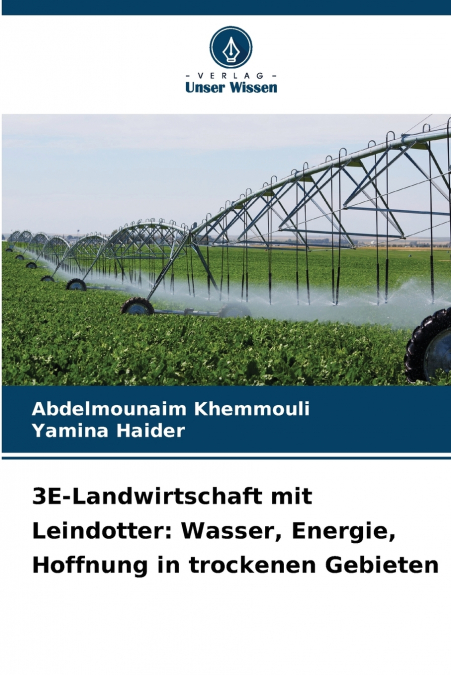
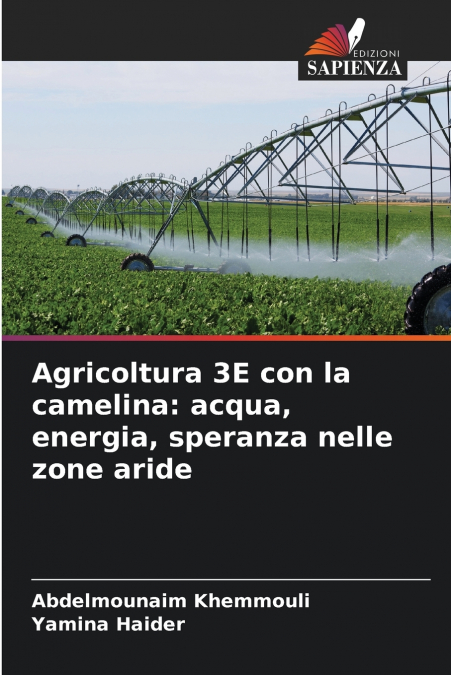
Faced with the growing vulnerability of Algerian agriculture, this book explores an integrated approach combining water saving, energy efficiency and alternative cultivation. Camelina sativa, a hardy oilseed adapted to semi-arid zones, is studied under four irrigation regimes in the Aurès region (Algeria). The moderate deficit regime (T2, 75% ETc) stands out for its performance: 16,000 m³ of water saved over 40 ha (equivalent to 60 households for a year), 8,421 kWh of energy gained (70 days of continuous operation of a cold room) and 4.27 t of CO₂ avoided (five Algiers-Dakar journeys). Despite a 20% drop in yield, quality improved (+8% protein, +8.2% water efficiency), and the feed value of oilcake increased (+41%). The book also presents an analysis of the link between irrigation, electricity consumption and emissions, using sustainability indicators. Perfectly in line with the FAO’s Millennium Development Goals: 2, 6 and 7, Irrigation Deficit proposes concrete ways of adapting agricultural systems to semi-arid climates.