Zucht von Eri-Seidenraupen auf Tapioka

Zucht von Eri-Seidenraupen auf Tapioka

Lohit Chandra Dutta / Manasee Hazarika

76,64 €
IVA incluido
Disponible
Editorial:
KS OmniScriptum Publishing
Año de edición:
2025
Materia
Botánica y ciencias de las plantas
ISBN:
9786200759504
76,64 €
IVA incluido
Disponible

Selecciona una librería:

  • Librería Samer Atenea
  • Librería Aciertas (Toledo)
  • Kálamo Books
  • Librería Perelló (Valencia)
  • Librería Elías (Asturias)
  • Donde los libros
  • Librería Kolima (Madrid)
  • Librería Proteo (Málaga)

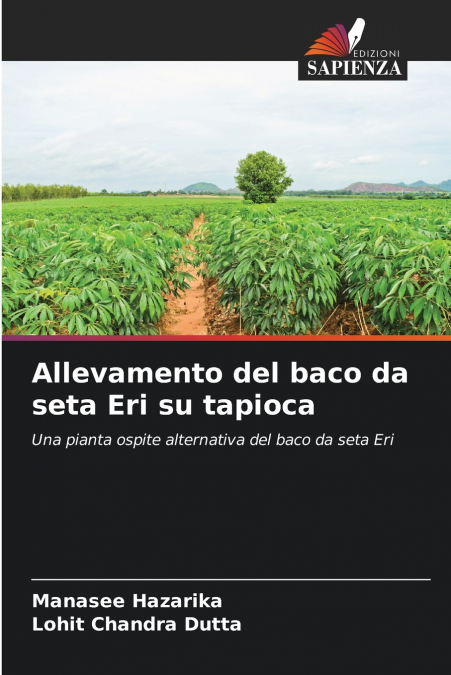
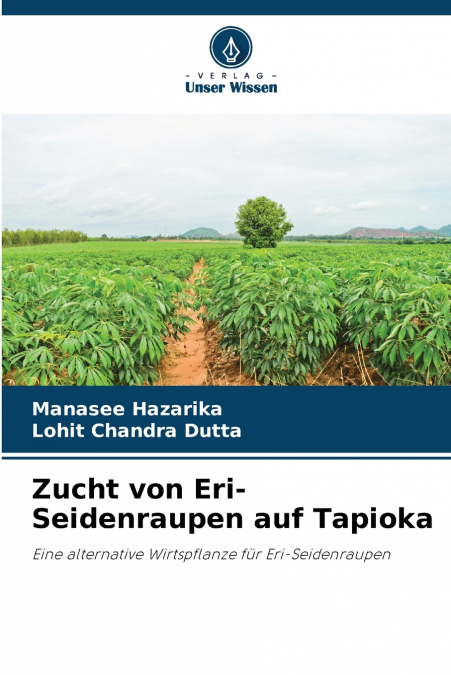
Eri-Seidenraupen sind polyphage Arten und werden hauptsächlich auf den Blättern von Rizinus- und Kesseru-Pflanzen gezüchtet. Tapioka, auch bekannt als Maniok, ist eine wichtige stärkehaltige Wurzelpflanze und wird in Indien seit mehr als einem Jahrhundert angebaut. Tapioka-Blätter sind ebenfalls eine gute Proteinquelle und werden als sekundäre Nahrungsquelle für die Zucht von Eri-Seidenraupen verwendet. Fast alle Insekten sind wirtsspezifisch und bevorzugen bestimmte Nahrungspflanzen, um den größtmöglichen Nutzen daraus zu ziehen, obwohl die meisten von ihnen eine Vielzahl von Pflanzen fressen. Verschiedene Futterpflanzen können unterschiedliche Auswirkungen auf die Nahrungsaufnahme, die Effizienz der Verdauung und die Umwandlung der Nahrung in Körperbiomasse und schließlich auf das Wachstum und die Entwicklung der Insekten haben. Die Seidenraupenzucht hat ein gutes Potenzial als zusätzliche Einnahmequelle für Tapioka-Bauern in der nordöstlichen Region Indiens. Die hügeligen Gebiete dieser Region bieten reichlich Möglichkeiten für den Ausbau des Tapiokaanbaus, nicht nur als Quelle für die ergänzende Ernährung der Bevölkerung, sondern auch zur Steigerung der Blattmenge für die Eri-Seidenraupenzucht und die Eri-Seidenproduktion. Dieses Buch ist nützlich für Seidenraupenzüchter, Entomologen, Forscher, Studenten und die Seidenindustrie.

Artículos relacionados

  • The Green Architecture
    Ali Mirshafieyan / Ghazal Yeganeh / Maryam Zamani Motlagh
    Protecting green energy as well as non-renewable energy, as well as their sustainable use, many advances in the technology of extracting oil products and other reserves under the ground have caused many improvements. In this regard, proposing the design of buildings in which the consumption of fossil fuels reaches its lowest level is considered one of the important solutions in...
    Disponible

    82,54 €

  • Responsible Use and Management of Agrochemicals
    Juan Carlos Nava
    Uso y manejo responsable de agroquímicos is a work product of the author’s experiences (undergraduate and graduate professor, with research and extension projects), aimed at producers, companies, professionals, students, advisors, researchers, among others.Due to its structure and content, it is expected to be a valuable aid to all people directly or indirectly involved in the ...
    Disponible

    49,45 €

  • Hope in the Soil
    Ellen G White
    Before edible classrooms began 'sprouting' in elementary schools, before buzzwords like 'sustainable agriculture', 'organic,' or 'veganic' came into existence, an exceptional woman named Ellen G. White penned numerous letters and articles on the importance of farming, an outdoor life, and manual labor. Though often remembered for other things, Mrs. White was actively engaged in...
    Disponible

    18,38 €

  • The Green Revolution
    Binitha Sophine Emmanuel
    The Green Revolution, a transformative era in the annals of agriculture, emerged as a game-changing force during the mid-20th century, fundamentally reshaping the methodology of food production and steering the trajectory of global food security. Characterized by a sequence of technological breakthroughs, the Green Revolution aimed to substantially augment agricultural producti...
    Disponible

    53,23 €

  • Utilization of Stingless Bees, Tetragonula laeviceps (Smith)
    Dr. J. J. Pastagia / Dr. V. C. Gadhiya
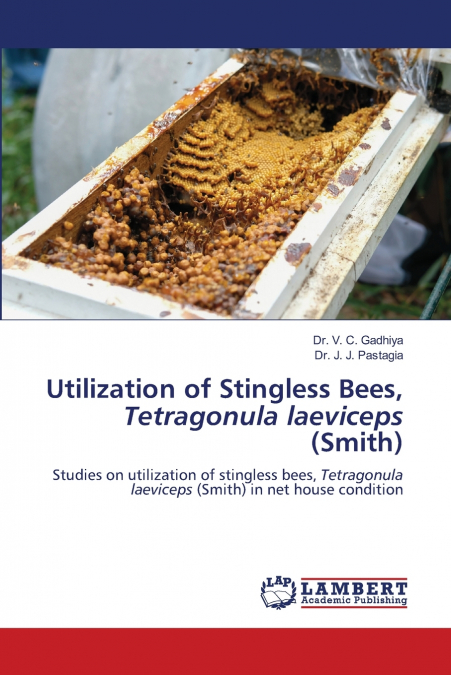
    The present investigations on utilization of stingless bees, T. laeviceps Smith in net house condition carried out with the broad aspects like flowers visited by stingless bees, T. laeviceps Smith, toxicity of insecticides to T. laeviceps Smith workers, floral biology of musk melon, foraging behavior of stingless bees, T. laeviceps Smith in net house condition, effect of pollin...
    Disponible

    84,80 €

  • La révolution verte
    Binitha Sophine Emmanuel
    La révolution verte, une ère transformatrice dans les annales de l’agriculture, est apparue comme une force qui a changé la donne au milieu du 20e siècle, remodelant fondamentalement la méthodologie de la production alimentaire et orientant la trajectoire de la sécurité alimentaire mondiale. Caractérisée par une série de percées technologiques, la révolution verte visait à augm...
    Disponible

    53,29 €

Otros libros del autor

  • Élevage du ver à soie Eri sur le tapioca
    Lohit Chandra Dutta / Manasee Hazarika
    Le ver à soie Eri est une espèce polyphage élevée principalement sur les feuilles du ricin et du kesseru. Le tapioca, également connu sous le nom de manioc, est une importante plante racinaire féculente cultivée en Inde depuis plus d’un siècle. Les feuilles de tapioca sont également une bonne source de protéines et sont utilisées comme source secondaire de nourriture pour l’éle...
    Disponible

    76,64 €

  • Hodowla jedwabników Eri na tapioka
    Lohit Chandra Dutta / Manasee Hazarika
    Jedwabniki Eri są gatunkami polifagicznymi i hodowane są głównie na liściach rośliny rycynowej i kesseru. Tapioka, znana również jako maniok, jest ważną rośliną bulwiastą bogatą w skrobię, uprawianą w Indiach od ponad wieku. Liście tapioki są również dobrym źródłem białka i wykorzystywane są jako drugorzędne źródło pożywienia dla jedwabników Eri. Prawie wszystkie owady są specy...
    Disponible

    76,64 €

  • Criação do bicho-da-seda Eri em tapioca
    Lohit Chandra Dutta / Manasee Hazarika
    O bicho-da-seda Eri é uma espécie polífaga e criado principalmente nas folhas das plantas Castor e Kesseru. A tapioca, também conhecida como mandioca, é uma importante cultura de tubérculos ricos em amido e é cultivada na Índia há mais de um século. As folhas da tapioca também são uma boa fonte de proteína e são utilizadas como fonte secundária de alimento para a criação do bic...
    Disponible

    76,64 €

  • Allevamento del baco da seta Eri su tapioca
    Lohit Chandra Dutta / Manasee Hazarika
    Il baco da seta Eri è una specie polifaga e viene allevato principalmente sulle foglie delle piante di ricino e kesseru. La tapioca, nota anche come manioca, è un’importante coltura amidacea e viene coltivata in India da oltre un secolo. Le foglie di tapioca sono anche una buona fonte di proteine e vengono utilizzate come fonte secondaria di cibo per l’allevamento del baco da s...
    Disponible

    76,64 €