Zróżnicowanie genetyczne ziemniaka

Zróżnicowanie genetyczne ziemniaka

Santhosh N.

98,85 €
IVA incluido
Disponible
Editorial:
KS OmniScriptum Publishing
Año de edición:
2026
Materia
Botánica y ciencias de las plantas
ISBN:
9786630326208
98,85 €
IVA incluido
Disponible

Selecciona una librería:

  • Librería Samer Atenea

  • Kálamo Books
  • Librería Elías (Asturias)
  • Librería Kolima (Madrid)
  • Librería Proteo (Málaga)

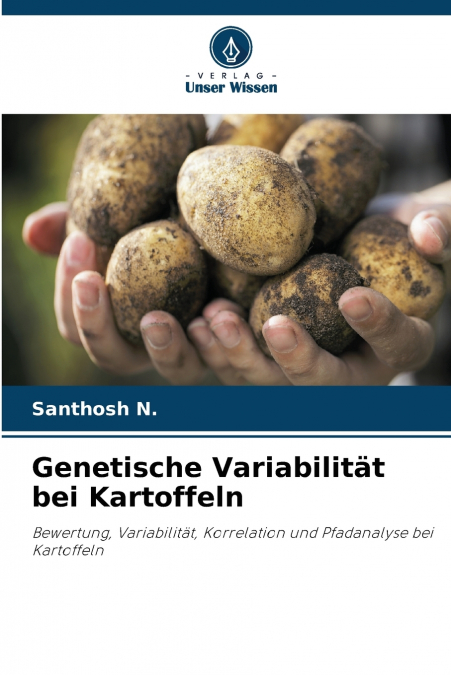
Ziemniak (Solanum tuberosum L.) jest jedną z najważniejszych roślin uprawnych na świecie. Jest uprawiany na szeroką skalę na całym świecie, zajmując czwarte miejsce pod względem produkcji żywności po pszenicy, kukurydzy i ryżu. Ponad miliard ludzi spożywa ziemniaki jako podstawowy składnik diety w Europie oraz jako główne warzywo w krajach rozwijających się. Indie są głównym producentem ziemniaków, obok Chin, Rosji, Ukrainy i Polski. Za miejsce pochodzenia tej rośliny uznaje się region Peru i Boliwii w Andach (Ameryka Południowa). Ziemniaki zostały sprowadzone do Europy w drugiej połowie XVI wieku przez hiszpańskich żeglarzy. Do Indii ziemniaki sprowadzili Portugalczycy w XVII wieku, a do Afryki - pod koniec XVIII wieku chrześcijańscy misjonarze. Ziemniak należy do rodziny psiankowatych (Solanaceae), rodzaju Solanum i gatunku tuberosum. Rodzaj Solanum obejmuje 2000 gatunków. Około 170 gatunków wytwarza podziemne bulwy łodygowe, a gatunki uprawne różnią się liczbą chromosomów od 24 (diploidalne), 36 (triploidalne), 48 (tetraploidalne) do 60 (pentaploidalne). Tetraploidalny Solanum tuberosum ma ogromne znaczenie rolnicze i występuje na całym świecie w postaci podgatunku tuberosum.
Artículos relacionados

  • The Green Architecture
    Ali Mirshafieyan / Ghazal Yeganeh / Maryam Zamani Motlagh
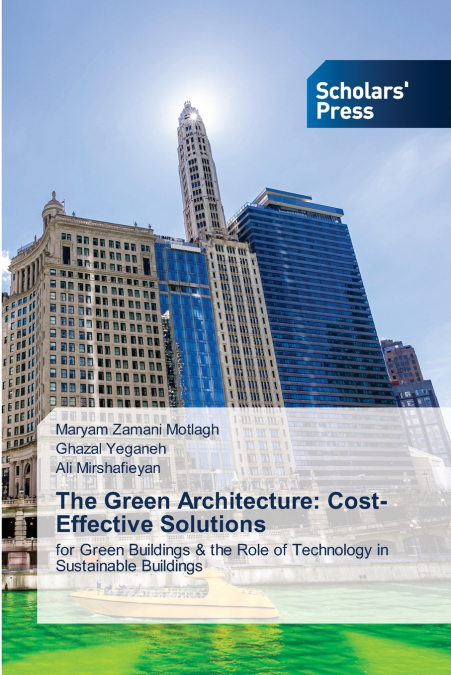
    Protecting green energy as well as non-renewable energy, as well as their sustainable use, many advances in the technology of extracting oil products and other reserves under the ground have caused many improvements. In this regard, proposing the design of buildings in which the consumption of fossil fuels reaches its lowest level is considered one of the important solutions in...
    Disponible

    93,95 €

  • Responsible Use and Management of Agrochemicals
    Juan Carlos Nava
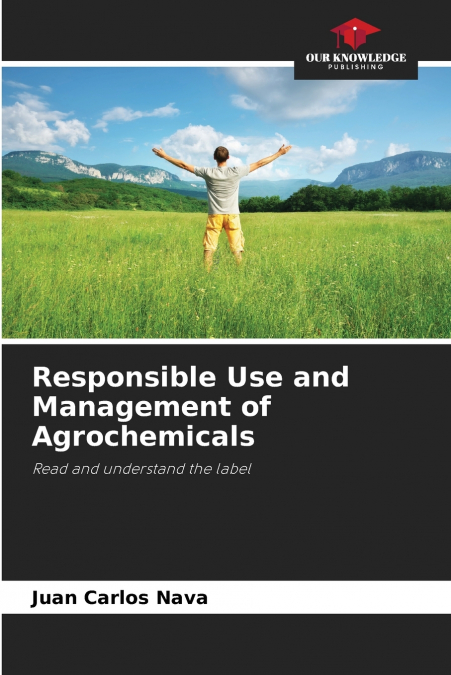
    Uso y manejo responsable de agroquímicos is a work product of the author’s experiences (undergraduate and graduate professor, with research and extension projects), aimed at producers, companies, professionals, students, advisors, researchers, among others.Due to its structure and content, it is expected to be a valuable aid to all people directly or indirectly involved in the ...
    Disponible

    56,25 €

  • Hope in the Soil
    Ellen G White
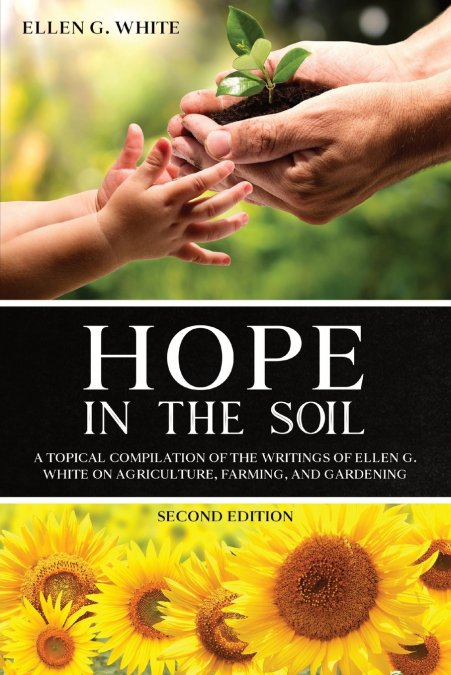
    Before edible classrooms began 'sprouting' in elementary schools, before buzzwords like 'sustainable agriculture', 'organic,' or 'veganic' came into existence, an exceptional woman named Ellen G. White penned numerous letters and articles on the importance of farming, an outdoor life, and manual labor. Though often remembered for other things, Mrs. White was actively engaged in...
    Disponible

    20,23 €

  • The Green Revolution
    Binitha Sophine Emmanuel
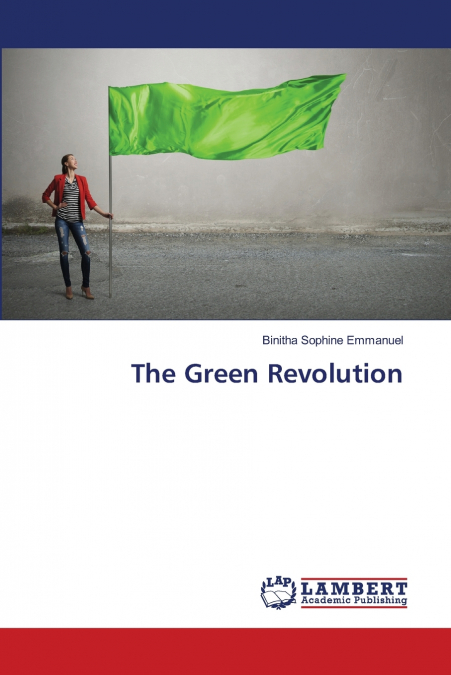
    The Green Revolution, a transformative era in the annals of agriculture, emerged as a game-changing force during the mid-20th century, fundamentally reshaping the methodology of food production and steering the trajectory of global food security. Characterized by a sequence of technological breakthroughs, the Green Revolution aimed to substantially augment agricultural producti...
    Disponible

    60,53 €

  • Utilization of Stingless Bees, Tetragonula laeviceps (Smith)
    Dr. J. J. Pastagia / Dr. V. C. Gadhiya
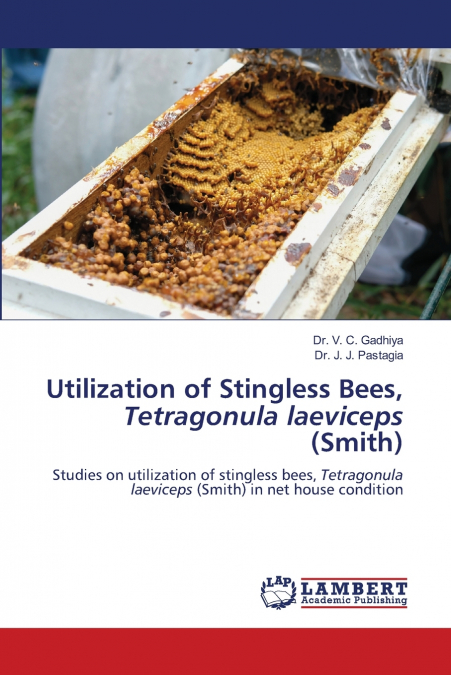
    The present investigations on utilization of stingless bees, T. laeviceps Smith in net house condition carried out with the broad aspects like flowers visited by stingless bees, T. laeviceps Smith, toxicity of insecticides to T. laeviceps Smith workers, floral biology of musk melon, foraging behavior of stingless bees, T. laeviceps Smith in net house condition, effect of pollin...
    Disponible

    96,50 €

  • La révolution verte
    Binitha Sophine Emmanuel
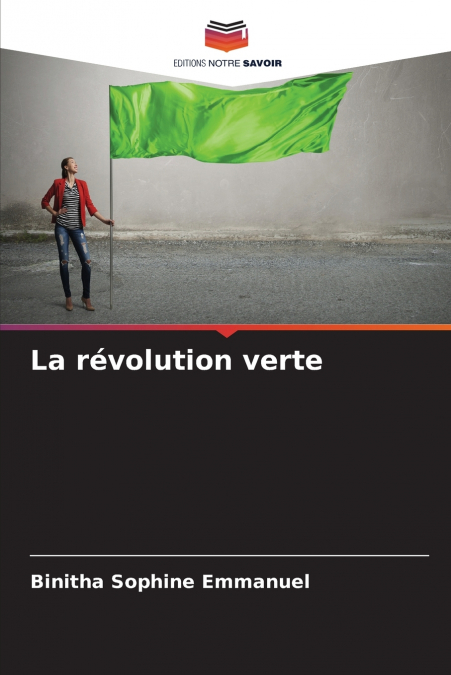
    La révolution verte, une ère transformatrice dans les annales de l’agriculture, est apparue comme une force qui a changé la donne au milieu du 20e siècle, remodelant fondamentalement la méthodologie de la production alimentaire et orientant la trajectoire de la sécurité alimentaire mondiale. Caractérisée par une série de percées technologiques, la révolution verte visait à augm...
    Disponible

    60,59 €

Otros libros del autor

  • Variabilité génétique de la pomme de terre
    Santhosh N.
    La pomme de terre (Solanum tuberosum L.) est l’une des cultures vivrières les plus importantes au monde. Largement cultivée à travers le monde, elle occupe la quatrième place dans la production alimentaire, après le blé, le maïs et le riz. Plus d’un milliard de personnes consomment la pomme de terre comme aliment de base en Europe et comme légume principal dans les pays en déve...
    Disponible

    98,83 €

  • Genetische Variabilität bei Kartoffeln
    Santhosh N.
    Die Kartoffel (Solanum tuberosum L.) ist eine der weltweit wichtigsten Nahrungspflanzen. Sie wird weltweit in großem Umfang angebaut und nimmt in der Nahrungsmittelproduktion nach Weizen, Mais und Reis den vierten Platz ein. Über eine Milliarde Menschen verzehren Kartoffeln in Europa als Grundnahrungsmittel und in Entwicklungsländern als wichtigstes Gemüse. Indien ist neben Chi...
    Disponible

    98,83 €

  • Variabilità genetica nella patata
    Santhosh N.
    La patata (Solanum tuberosum L.) è una delle colture alimentari più importanti al mondo. È ampiamente coltivata in tutto il mondo e occupa il quarto posto nella produzione alimentare dopo il grano, il mais e il riso. Oltre un miliardo di persone consuma la patata come alimento di base in Europa e come ortaggio principale nei paesi in via di sviluppo. L’India è uno dei principal...
    Disponible

    98,85 €

  • Variabilidade genética na batata
    Santhosh N.
    A batata (Solanum tuberosum L.) é uma das culturas alimentares mais importantes do mundo. É amplamente cultivada em todo o mundo, ocupando o quarto lugar na produção alimentar, a seguir ao trigo, ao milho e ao arroz. Mais de mil milhões de pessoas consomem a batata como alimento básico na Europa e como um dos principais vegetais nos países em desenvolvimento. A Índia é um dos p...
    Disponible

    98,84 €