 Librería Samer Atenea
 Kálamo Books
 Librería Elías (Asturias)
 Librería Kolima (Madrid)
 Librería Proteo (Málaga)
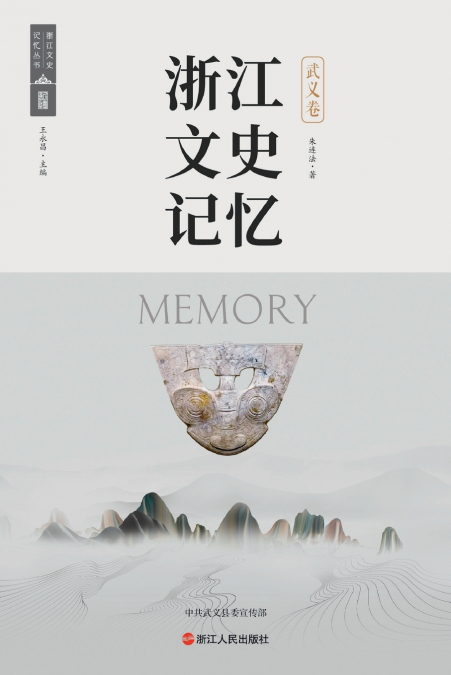
This book is grounded in the core positioning of Wuyi as the 'Heartland of Central Zhejiang, Confucian Legacy of Mingzhao, Millennium Kiln Fire, and Landscape Health and Wellness.' Taking the Neolithic site of Dagongshan (a component of the Shangshan Culture) as its civilizational starting point, it weaves together the establishment of 'Wucheng' during the Three Kingdoms period under the Wu state, the renaming to 'Wuyi' in the second year of the Tianshou era of Wu Zetian’s reign (691 CE), the Mingzhao lectures during the Tang and Song dynasties, the peak of celadon production at Wuzhou kilns in the Song and Yuan dynasties, the silver mining and local sage culture of the Ming and Qing dynasties, the revolutionary history of modern times, and the development of ecological health and wellness in the contemporary era. The book focuses on three major cultural threads: First, the prehistoric and administrative origins-seven thousand years ago, the ancestors practiced rice cultivation and pottery making; the county name evolved from Wucheng to Wuyi, laying the geographical and administrative foundation of central Zhejiang. Second, the Confucian legacy of Mingzhao and the flourishing of the imperial examination system-during the Southern Song Dynasty, Lü Zuqian and Gong Tingzhi lectured at Mingzhao, founding the 'Wuzhou School of Learning.' The number of imperial scholars (jinshi) from Wuyi surged from six during the Northern Song Dynasty to thirty-four in just 110 years of the Southern Song Dynasty, earning the region the reputation of being a 'Little Zou-Lu' (a reference to the birthplace of Confucius and Mencius). Third, the kiln ceramic culture and the red spirit-the 'Pearl-Light Celadon' of Wuzhou kilns in the Song and Yuan dynasties, the Taoist culture of Ye Fashan in the Tang Dynasty, the flames of resistance against Japan in modern times, and rural revitalization have forged Wuyi’s regional character of revering culture and martial valor while striving for green development and prosperity.With comprehensive historical materials, a clear narrative thread, and an accessible writing style, this book serves as an authoritative and popular primer for understanding the history, culture, and humanistic spirit of Wuyi.本书立足武义 '浙中腹地、明招儒宗、千年窑火、山水康养' 核心定位,以大公山新石器遗址(上山文化组成部分)为文明起点,串联三国吴置 '武成'、武则天天授二年改名 '武义'、唐宋明招讲学、宋元婺州窑青瓷巅峰、明清银矿与乡贤文化、近代红色革命与当代生态康养发展历程。重点呈现三大文脉:一是史前与建制源流,七千年前先民稻作制陶、县名历经武成 - 武义沿革,奠定浙中地理与行政根基;二是明招儒风与科举鼎盛,南宋吕祖谦、巩庭芝明招讲学开 '婺州之学',武义科举从北宋 6 人陡增至南宋后 110 年 34 人,成就 '小邹鲁' 美誉;三是窑瓷与红色精神,宋元婺州窑 '珠光青瓷'、唐代叶法善道教文化、近代抗日烽火与乡村振兴,熔铸武义崇文尚武、向绿图强的地域品格。全书史料翔实、脉络清晰、文风通俗,是读懂武义历史文化与人文精神的权威普及读本。