 Librería Samer Atenea
 Kálamo Books
 Librería Elías (Asturias)
 Librería Kolima (Madrid)
 Librería Proteo (Málaga)
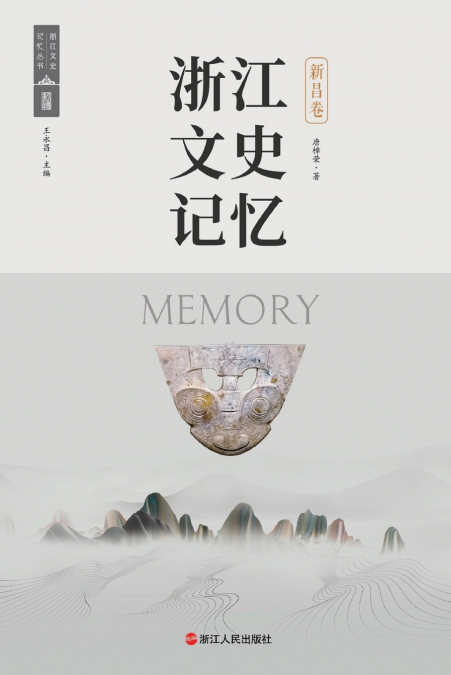
This book is part of the Zhejiang Cultural and Historical Memory series, the Xinchang volume. Authored by Tang Zhangrong, a local expert in culture and history of Xinchang, and published by Zhejiang People’s Publishing House, the book is divided into nine chapters by dynasty. It systematically traces the cultural lineage of Xinchang from ancient times to the present, highlighting the regional characteristics of being the 'Core Area of the Eastern Zhejiang Poetry Path, a Major Town for Landscape and Culture in Eastern Shan, and a Thousand-Year-Old County.'Taking the establishment of Xinchang County in 908 CE (during the Five Dynasties and Ten Kingdoms period, under the Wuyue Kingdom) by separating it from Shan County as the starting point, the book weaves together the prehistoric civilization, the historical evolution of Eastern Shan, the prosperity of the Tang and Song dynasties, the accumulations of the Ming and Qing dynasties, and modern and contemporary development. It fully presents the 1,100-year history of the county and its thousand-year cultural landscape. The core focuses on three major cultural landmarks: First, the essence of the Poetry Path-scenic wonders such as Wozhou Mountain, Tianmu Mountain, and the Nineteen Peaks of Chuanyan attracted over 400 poets including Li Bai, Du Fu, and Bai Juyi to leave behind their verses, establishing the area as a central landmark of the Eastern Zhejiang Poetry Path. Second, the integration of landscape, Zen spirit, and the character of renowned scholars-reclusive figures such as Zhi Dun and Wang Xizhi, along with Buddhist sites like the Great Buddha Temple and Wozhou Chan Temple, blending together mountain-and-water scenery, Zen aesthetics, and reclusive culture. Third, the heritage of local sages and folk customs-the book includes biographies of local sages throughout history, the culture of imperial examinations and education, intangible cultural heritage and folk customs, and red memories, showcasing the local spirit of Xinchang, which values farming and study while upholding perseverance and a reverence for culture.With rigorous historical scholarship and accessible narrative, this book balances academic depth with readability. It serves as an authoritative and popular primer for understanding Xinchang and preserving the culture of the Eastern Zhejiang Poetry Path.本书为《浙江文史记忆》丛书新昌分卷,由新昌文史专家唐樟荣著、浙江人民出版社出版,全书按朝代分九章,系统梳理新昌自远古至当代的文脉,凸显 '浙东唐诗之路核心地、剡东山水人文重镇、千年古县' 的地域特质。以908 年(五代吴越)析剡置新昌为建县起点,串联史前文明、剡东沿革、唐宋兴盛、明清积淀与近现代发展,完整呈现新昌 1100 余年建县史与千年山水人文脉络。核心聚焦三大文化坐标:一是唐诗之路精华,沃洲、天姥、穿岩十九峰等山水胜境,吸引李白、杜甫、白居易等 400 余位诗人留诗,铸就浙东唐诗之路核心地标;二是山水禅意与名士风骨,支遁、王羲之等名士隐居,大佛寺、沃洲禅院等禅林遗存,融合山水、禅意、隐逸文化;三是乡贤文脉与民俗风物,收录历代乡贤、科举文教、非遗民俗、红色记忆,展现新昌耕读传家、坚韧尚文的人文精神。全书史料严谨、叙事通俗,兼具学术性与可读性,是读懂新昌、传承浙东唐诗之路文化的权威普及读本。