Wymagania termiczne ciecierzycy w różnych środowiskach

Wymagania termiczne ciecierzycy w różnych środowiskach

M.C. Chopada / S.K. Chhodavadia V.B. Bhalu

69,78 €
IVA incluido
Disponible
Editorial:
KS OmniScriptum Publishing
Año de edición:
2025
Materia
Botánica y ciencias de las plantas
ISBN:
9786208819736
69,78 €
IVA incluido
Disponible

Selecciona una librería:

  • Librería Samer Atenea
  • Librería Aciertas (Toledo)
  • Kálamo Books
  • Librería Perelló (Valencia)
  • Librería Elías (Asturias)
  • Donde los libros
  • Librería Kolima (Madrid)
  • Librería Proteo (Málaga)

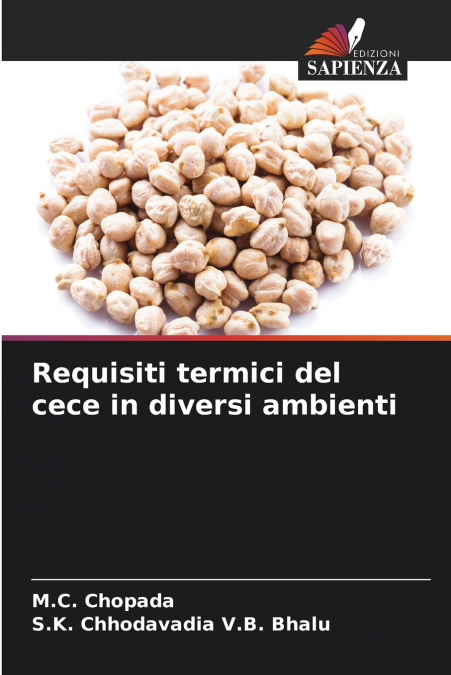
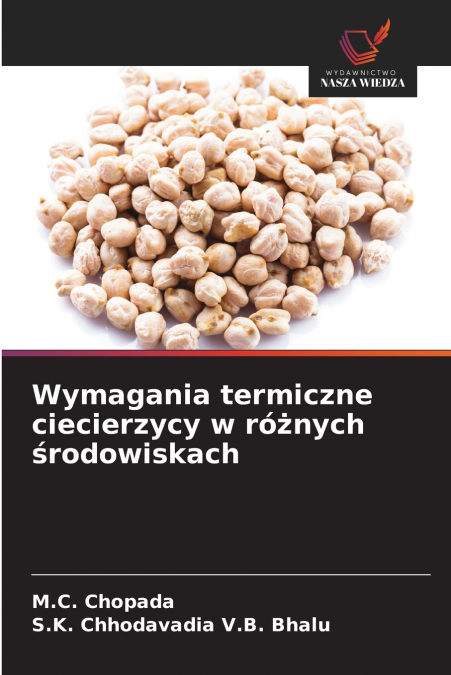
Ciecierzyca (Cicer arietinum L.) jest termowrażliwą rośliną uprawianą na całym świecie. Ciecierzyca, powszechnie znana jako gram lub gram bengalski, jest najważniejszą uprawą roślin strączkowych w Indiach w sezonie zimowym. Mówi się, że jest to jedna z najstarszych roślin strączkowych znanych i uprawianych od czasów starożytnych zarówno w Azji, jak i Europie. Ciecierzyca wymaga chłodnego klimatu do wzrostu i rozwoju oraz wysokiej temperatury w okresie dojrzałości. Optymalna temperatura dla jej wzrostu wynosi od 15°C do 25°C. W Indiach ciecierzyca jest uprawiana tam, gdzie średnie dzienne maksymalne temperatury wynoszą od 22,5 ° do 30 ° C, a średnie dzienne minimalne temperatury wynoszą od 7,5 ° do 13 ° C w styczniu. Środowisko agrometeorologiczne ciecierzycy różni się w zależności od lokalizacji, co wpływa również na jej wzrost i rozwój. Różnice w fotoperiodzie i średniej temperaturze dobowej mają duży wpływ na czas kwitnienia. Będąc rośliną strączkową, ciecierzyca potrzebuje mniej opadów. Głęboki system korzeniowy sprawia, że jest to preferowana uprawa na suchych terenach, gdzie roczne opady wynoszą 600-1000 mm. Zaleganie wody na każdym etapie wzrostu może zniszczyć uprawę. Reaguje jednak na lekkie nawadnianie na etapie kwitnienia i wypełniania ziarna.

Artículos relacionados

  • The Green Architecture
    Ali Mirshafieyan / Ghazal Yeganeh / Maryam Zamani Motlagh
    Protecting green energy as well as non-renewable energy, as well as their sustainable use, many advances in the technology of extracting oil products and other reserves under the ground have caused many improvements. In this regard, proposing the design of buildings in which the consumption of fossil fuels reaches its lowest level is considered one of the important solutions in...
    Disponible

    82,54 €

  • Responsible Use and Management of Agrochemicals
    Juan Carlos Nava
    Uso y manejo responsable de agroquímicos is a work product of the author’s experiences (undergraduate and graduate professor, with research and extension projects), aimed at producers, companies, professionals, students, advisors, researchers, among others.Due to its structure and content, it is expected to be a valuable aid to all people directly or indirectly involved in the ...
    Disponible

    49,45 €

  • Hope in the Soil
    Ellen G White
    Before edible classrooms began 'sprouting' in elementary schools, before buzzwords like 'sustainable agriculture', 'organic,' or 'veganic' came into existence, an exceptional woman named Ellen G. White penned numerous letters and articles on the importance of farming, an outdoor life, and manual labor. Though often remembered for other things, Mrs. White was actively engaged in...
    Disponible

    18,38 €

  • The Green Revolution
    Binitha Sophine Emmanuel
    The Green Revolution, a transformative era in the annals of agriculture, emerged as a game-changing force during the mid-20th century, fundamentally reshaping the methodology of food production and steering the trajectory of global food security. Characterized by a sequence of technological breakthroughs, the Green Revolution aimed to substantially augment agricultural producti...
    Disponible

    53,23 €

  • Utilization of Stingless Bees, Tetragonula laeviceps (Smith)
    Dr. J. J. Pastagia / Dr. V. C. Gadhiya
    The present investigations on utilization of stingless bees, T. laeviceps Smith in net house condition carried out with the broad aspects like flowers visited by stingless bees, T. laeviceps Smith, toxicity of insecticides to T. laeviceps Smith workers, floral biology of musk melon, foraging behavior of stingless bees, T. laeviceps Smith in net house condition, effect of pollin...
    Disponible

    84,80 €

  • La révolution verte
    Binitha Sophine Emmanuel
    La révolution verte, une ère transformatrice dans les annales de l’agriculture, est apparue comme une force qui a changé la donne au milieu du 20e siècle, remodelant fondamentalement la méthodologie de la production alimentaire et orientant la trajectoire de la sécurité alimentaire mondiale. Caractérisée par une série de percées technologiques, la révolution verte visait à augm...
    Disponible

    53,29 €

Otros libros del autor

  • Besoins thermiques du pois chiche dans différents environnements
    M.C. Chopada / S.K. Chhodavadia V.B. Bhalu
    Le pois chiche (Cicer arietinum L.) est une plante thermosensible à jours longs cultivée dans le monde entier. Le pois chiche, communément appelé gramme ou gramme du Bengale, est la plus importante légumineuse d’hiver en Inde. On dit qu’il s’agit de l’une des plus anciennes légumineuses connues et cultivées depuis l’Antiquité en Asie et en Europe. Le pois chiche a besoin d’un c...
    Disponible

    69,85 €

  • Thermische Anforderungen von Kichererbsen in verschiedenen Umgebungen
    M.C. Chopada / S.K. Chhodavadia V.B. Bhalu
    Kichererbsen (Cicer arietinum L.) sind wärmeempfindliche Langtagspflanzen, die weltweit angebaut werden. Kichererbsen, auch bekannt als Gram oder Bengal Gram, sind die wichtigste Winterhülsenfrucht Indiens. Sie gelten als eine der ältesten bekannten Hülsenfrüchte und werden seit der Antike sowohl in Asien als auch in Europa angebaut. Kichererbsen benötigen für ihr Wachstum und ...
    Disponible

    69,85 €

  • Requisiti termici del cece in diversi ambienti
    M.C. Chopada / S.K. Chhodavadia V.B. Bhalu
    Il cece (Cicer arietinum L.) è una coltura termosensibile a giorno lungo, coltivata in tutto il mondo. Il cece, comunemente noto come grammo o grammo del Bengala, è la più importante coltura di legumi invernali dell’India. Si dice che sia uno dei legumi più antichi conosciuti e coltivati fin dall’antichità sia in Asia che in Europa. Il cece richiede un clima fresco per la cresc...
    Disponible

    69,85 €

  • Necessidades térmicas do grão-de-bico em diferentes ambientes
    M.C. Chopada / S.K. Chhodavadia V.B. Bhalu
    O grão-de-bico (Cicer arietinum L.) é uma cultura termossensível, de dia longo, cultivada em todo o mundo. O grão-de-bico, vulgarmente conhecido como grama ou grama de Bengala, é a mais importante cultura de leguminosas da estação de inverno da Índia. Diz-se que é uma das leguminosas mais antigas conhecidas e cultivadas desde tempos remotos, tanto na Ásia como na Europa. O grão...
    Disponible

    69,85 €