Wykorzystanie fosforu w glebach typu vertisol

Wykorzystanie fosforu w glebach typu vertisol

B.S. Dwivedi / G.D. Sharma / Risikesh Thakur

73,52 €
IVA incluido
Disponible
Editorial:
KS OmniScriptum Publishing
Año de edición:
2026
Materia
Botánica y ciencias de las plantas
ISBN:
9786209810992
73,52 €
IVA incluido
Disponible

Selecciona una librería:

  • Librería Samer Atenea
  • Kálamo Books
  • Librería Elías (Asturias)
  • Librería Kolima (Madrid)
  • Librería Proteo (Málaga)

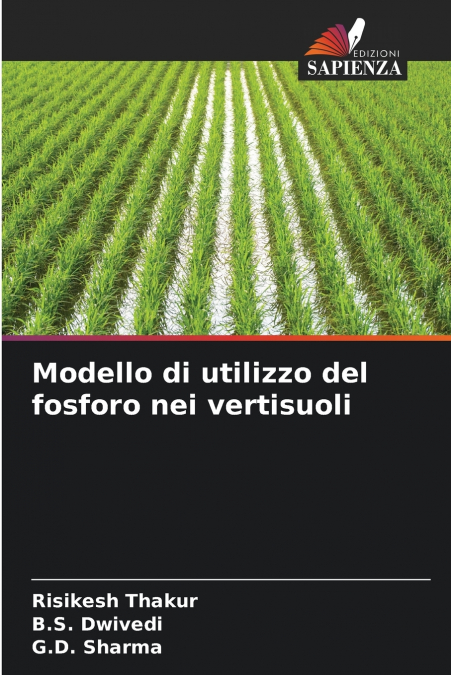
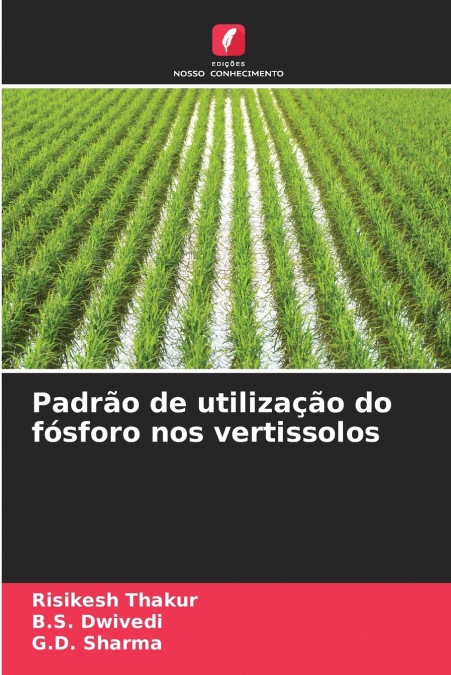
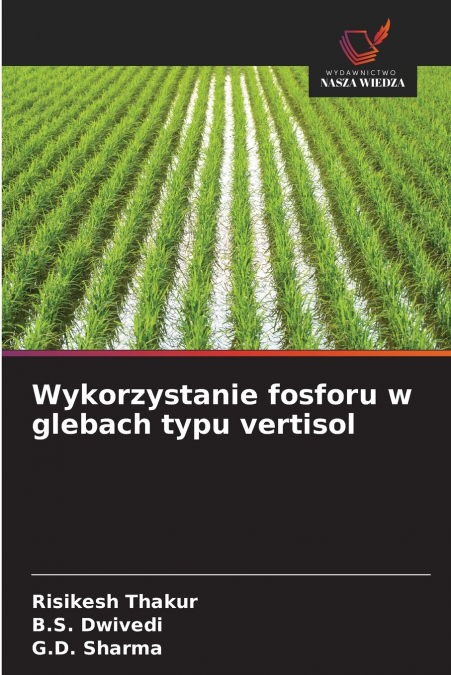
Problem z nawozami fosforowymi polega na tym, że po ich zastosowaniu na glebach czarnych (wertisolach) znaczna ich część (80-85%) ulega wiązaniu w glebie, a tylko niewielka część (15-20%) jest dostępna dla roślin. Formy związane lub niedostępne są rozpuszczane i mineralizowane przez bakterie PSB poprzez wytwarzanie kwasów organicznych oraz enzymu fitazy, dzięki czemu stają się dostępne dla upraw. Zwiększa to również efektywność wykorzystania superfosfatu. Obornik poprawia również dostępność fosforu dzięki wytwarzaniu podczas rozkładu kwasów organicznych, takich jak cytrynian, szczawian, mleczan itp., które wiążą AI i Fe. W ten sposób wiązanie P w postaciach nieorganicznych, tj. fosforanu AI i Fe, jest zmniejszane przez dodanie nawozów organicznych. Technika stosowania izotopów znacznikowych dostarcza wielu informacji na temat ilości fosforu pobieranego przez rośliny i ilości fosforu związanej w glebie, a także na temat mobilności fosforu w glebie i jego dostępności dla roślin w całym cyklu życia.

Artículos relacionados

  • The Green Architecture
    Ali Mirshafieyan / Ghazal Yeganeh / Maryam Zamani Motlagh
    Protecting green energy as well as non-renewable energy, as well as their sustainable use, many advances in the technology of extracting oil products and other reserves under the ground have caused many improvements. In this regard, proposing the design of buildings in which the consumption of fossil fuels reaches its lowest level is considered one of the important solutions in...
    Disponible

    82,54 €

  • Responsible Use and Management of Agrochemicals
    Juan Carlos Nava
    Uso y manejo responsable de agroquímicos is a work product of the author’s experiences (undergraduate and graduate professor, with research and extension projects), aimed at producers, companies, professionals, students, advisors, researchers, among others.Due to its structure and content, it is expected to be a valuable aid to all people directly or indirectly involved in the ...
    Disponible

    49,45 €

  • Hope in the Soil
    Ellen G White
    Before edible classrooms began 'sprouting' in elementary schools, before buzzwords like 'sustainable agriculture', 'organic,' or 'veganic' came into existence, an exceptional woman named Ellen G. White penned numerous letters and articles on the importance of farming, an outdoor life, and manual labor. Though often remembered for other things, Mrs. White was actively engaged in...
    Disponible

    18,38 €

  • The Green Revolution
    Binitha Sophine Emmanuel
    The Green Revolution, a transformative era in the annals of agriculture, emerged as a game-changing force during the mid-20th century, fundamentally reshaping the methodology of food production and steering the trajectory of global food security. Characterized by a sequence of technological breakthroughs, the Green Revolution aimed to substantially augment agricultural producti...
    Disponible

    53,23 €

  • Utilization of Stingless Bees, Tetragonula laeviceps (Smith)
    Dr. J. J. Pastagia / Dr. V. C. Gadhiya
    The present investigations on utilization of stingless bees, T. laeviceps Smith in net house condition carried out with the broad aspects like flowers visited by stingless bees, T. laeviceps Smith, toxicity of insecticides to T. laeviceps Smith workers, floral biology of musk melon, foraging behavior of stingless bees, T. laeviceps Smith in net house condition, effect of pollin...
    Disponible

    84,80 €

  • La révolution verte
    Binitha Sophine Emmanuel
    La révolution verte, une ère transformatrice dans les annales de l’agriculture, est apparue comme une force qui a changé la donne au milieu du 20e siècle, remodelant fondamentalement la méthodologie de la production alimentaire et orientant la trajectoire de la sécurité alimentaire mondiale. Caractérisée par une série de percées technologiques, la révolution verte visait à augm...
    Disponible

    53,29 €

Otros libros del autor

  • Modèles d’utilisation du phosphore dans les vertisols
    B.S. Dwivedi / G.D. Sharma / Risikesh Thakur
    Le problème avec les engrais phosphatés est que, lorsqu’ils sont épandus sur des sols noirs (vertisols), une grande partie (80 à 85 %) est immobilisée dans le sol et seule une petite fraction (15 à 20 %) est disponible pour les plantes. Les formes immobilisées ou indisponibles sont solubilisées et minéralisées par les bactéries solubilisatrices de phosphate (PSB) grâce à la pro...
    Disponible

    73,58 €

  • Verwertungsmuster von Phosphor in Vertisolen
    B.S. Dwivedi / G.D. Sharma / Risikesh Thakur
    Das Problem bei Phosphatdüngern besteht darin, dass bei der Ausbringung auf Schwarzerden (Vertisolen) ein großer Teil davon (80-85 %) im Boden gebunden wird und nur ein kleiner Teil (15-20 %) den Pflanzen zur Verfügung steht. Die gebundenen oder nicht verfügbaren Formen werden durch PSB durch die Produktion organischer Säuren und des Enzyms Phytase gelöst und mineralisiert, wod...
    Disponible

    73,58 €

  • Modello di utilizzo del fosforo nei vertisuoli
    B.S. Dwivedi / G.D. Sharma / Risikesh Thakur
    La difficoltà con il fertilizzante fosfatico è che, quando viene applicato su terreni neri (Vertisol), una grande frazione di esso viene fissata (80-85%) nel terreno e solo una piccola parte (15-20%) è disponibile per le piante. Le forme fisse o non disponibili vengono solubilizzate e mineralizzate dal PSB producendo acidi organici e l’enzima fitasi, che è poi disponibile per l...
    Disponible

    73,52 €

  • Padrão de utilização do fósforo nos vertissolos
    B.S. Dwivedi / G.D. Sharma / Risikesh Thakur
    A dificuldade com os fertilizantes fosfatados reside no facto de, quando aplicados em solos negros (vertissolos), uma grande parte destes ficar fixada (80-85%) no solo e apenas uma pequena porção (15-20%) ficar disponível para as plantas. As formas fixadas ou indisponíveis são solubilizadas e mineralizadas pelas bactérias solubilizadoras de fosfato (PSB) através da produção de ...
    Disponible

    73,52 €