
Inicio > Matemáticas y ciencia > Biologia, ciencias de la vida > Botánica y ciencias de las plantas > Wpływ zmiennych technologicznych i odmiany soi na jakość natto
Wpływ zmiennych technologicznych i odmiany soi na jakość natto

Wpływ zmiennych technologicznych i odmiany soi na jakość natto

MahaLaxmi Pradhananga

97,49 €
IVA incluido
Disponible
Editorial:
KS OmniScriptum Publishing
Año de edición:
2025
Materia
Botánica y ciencias de las plantas
ISBN:
9786208948313
97,49 €
IVA incluido
Disponible

Selecciona una librería:

  • Librería Samer Atenea
  • Librería Aciertas (Toledo)
  • Kálamo Books
  • Librería Perelló (Valencia)
  • Librería Elías (Asturias)
  • Donde los libros
  • Librería Kolima (Madrid)
  • Librería Proteo (Málaga)

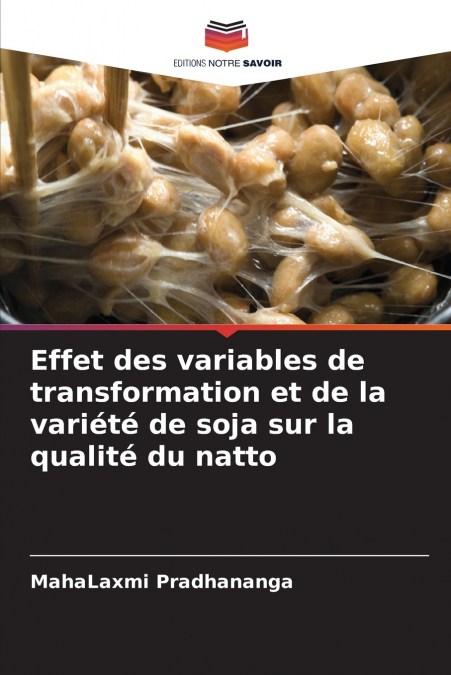
Natto jest jednym z niewielu produktów, w których podczas fermentacji dominują bakterie. Bakterią odpowiedzialną za ten proces jest Bacillus natto. Natto to japońska fermentowana potrawa sojowa, która charakteryzuje się charakterystycznym zapachem amoniaku, zawiera kwasy tłuszczowe i ma smak stęchlizny, a także ma śluzowaty wygląd, pokryty lepkimi i kleistymi polimerami kwasu glutaminowego. Soja (Glycine max L.) w języku nepalskim nazywana jest Bhatmas. Najbardziej dominujące odmiany soi w Nepalu mają kolor biały, brązowy, szary i czarny. W zależności od odmiany, koloru nasion i lokalizacji ma różne lokalne nazwy, takie jak Nepale, Hardi, Darmali, Maily, Kalo, Seto i tak dalej. Fermentacja namoczonej i ugotowanej soi przez B. subtilis powoduje proteolizę polipeptydów sojowych, zmieniając jej strawność, smak i aromat, a także poprawiając jakość białka. Ponadto dezaktywuje czynniki antyodżywcze, usuwa niestrawne oligosacharydy, zwiększa zawartość izoflawonów, enzymów proteolitycznych i fitosteroli, które mogą mieć wpływ na zdrowie człowieka. Fermentacji B. subtilis towarzyszy pokrycie nienaruszonych granulek białą, lepką substancją o śliskim wyglądzie i bardziej miękkiej konsystencji.

Artículos relacionados

  • The Green Architecture
    Ali Mirshafieyan / Ghazal Yeganeh / Maryam Zamani Motlagh
    Protecting green energy as well as non-renewable energy, as well as their sustainable use, many advances in the technology of extracting oil products and other reserves under the ground have caused many improvements. In this regard, proposing the design of buildings in which the consumption of fossil fuels reaches its lowest level is considered one of the important solutions in...
    Disponible

    82,54 €

  • Responsible Use and Management of Agrochemicals
    Juan Carlos Nava
    Uso y manejo responsable de agroquímicos is a work product of the author’s experiences (undergraduate and graduate professor, with research and extension projects), aimed at producers, companies, professionals, students, advisors, researchers, among others.Due to its structure and content, it is expected to be a valuable aid to all people directly or indirectly involved in the ...
    Disponible

    49,45 €

  • Hope in the Soil
    Ellen G White
    Before edible classrooms began 'sprouting' in elementary schools, before buzzwords like 'sustainable agriculture', 'organic,' or 'veganic' came into existence, an exceptional woman named Ellen G. White penned numerous letters and articles on the importance of farming, an outdoor life, and manual labor. Though often remembered for other things, Mrs. White was actively engaged in...
    Disponible

    18,38 €

  • The Green Revolution
    Binitha Sophine Emmanuel
    The Green Revolution, a transformative era in the annals of agriculture, emerged as a game-changing force during the mid-20th century, fundamentally reshaping the methodology of food production and steering the trajectory of global food security. Characterized by a sequence of technological breakthroughs, the Green Revolution aimed to substantially augment agricultural producti...
    Disponible

    53,23 €

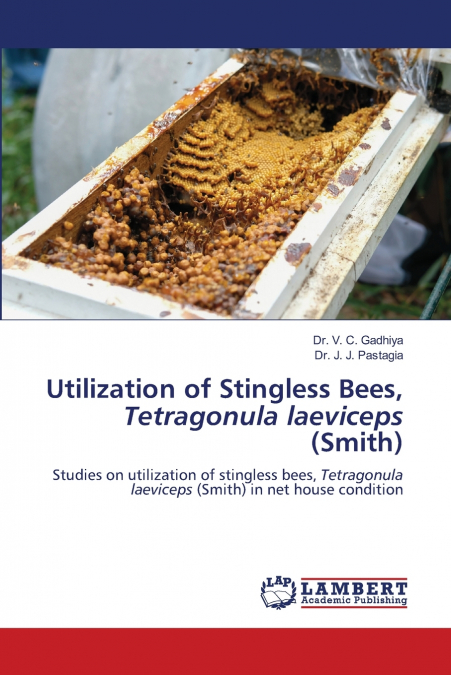
  • Utilization of Stingless Bees, Tetragonula laeviceps (Smith)
    Dr. J. J. Pastagia / Dr. V. C. Gadhiya
    The present investigations on utilization of stingless bees, T. laeviceps Smith in net house condition carried out with the broad aspects like flowers visited by stingless bees, T. laeviceps Smith, toxicity of insecticides to T. laeviceps Smith workers, floral biology of musk melon, foraging behavior of stingless bees, T. laeviceps Smith in net house condition, effect of pollin...
    Disponible

    84,80 €

  • La révolution verte
    Binitha Sophine Emmanuel
    La révolution verte, une ère transformatrice dans les annales de l’agriculture, est apparue comme une force qui a changé la donne au milieu du 20e siècle, remodelant fondamentalement la méthodologie de la production alimentaire et orientant la trajectoire de la sécurité alimentaire mondiale. Caractérisée par une série de percées technologiques, la révolution verte visait à augm...
    Disponible

    53,29 €

Otros libros del autor

  • Efeito das variáveis de processamento e da cultivar de soja na qualidade do natto
    MahaLaxmi Pradhananga
    O natto é um dos poucos produtos em que as bactérias predominam durante a fermentação. A bactéria responsável foi identificada como Bacillus natto. O natto é um alimento japonês fermentado à base de soja que tem um odor característico de amoníaco, contém ácidos gordos e sabor a mofo e tem uma aparência viscosa, sendo coberto por polímeros viscosos e pegajosos de ácido glutâmico...
    Disponible

    97,49 €

  • Einfluss von Verarbeitungsvariablen und Sojabohnensorten auf die Qualität von Natto
    MahaLaxmi Pradhananga
    Natto ist eines der wenigen Produkte, bei denen Bakterien während der Fermentation vorherrschen. Das dafür verantwortliche Bakterium wurde als Bacillus natto identifiziert. Natto ist ein japanisches fermentiertes Sojabohnenprodukt, das einen charakteristischen Ammoniakgeruch hat, Fettsäuren und einen muffigen Geschmack enthält und ein schleimiges Aussehen hat, da es mit viskose...
    Disponible

    97,48 €

  • Effet des variables de transformation et de la variété de soja sur la qualité du natto
    MahaLaxmi Pradhananga
    Le natto est l’un des rares produits dans lesquels les bactéries prédominent pendant la fermentation. La bactérie responsable a été identifiée comme étant Bacillus natto. Le natto est un aliment japonais à base de soja fermenté qui se caractérise par une odeur d’ammoniac, contient des acides gras et a un goût de moisi. Il a un aspect visqueux et est recouvert de polymères visqu...
    Disponible

    97,48 €