Inicio > Matemáticas y ciencia > Biologia, ciencias de la vida > Botánica y ciencias de las plantas > Variação no painço para tolerância à salinidade e marcadores de ADN
Variação no painço para tolerância à salinidade e marcadores de ADN

Variação no painço para tolerância à salinidade e marcadores de ADN

Meenakshi Ganesan / Prabhu Rajarathinam

60,67 €
IVA incluido
Disponible
Editorial:
KS OmniScriptum Publishing
Año de edición:
2025
Materia
Botánica y ciencias de las plantas
ISBN:
9786208599942
60,67 €
IVA incluido
Disponible

Selecciona una librería:

  • Librería Samer Atenea
  • Librería Aciertas (Toledo)
  • Kálamo Books
  • Librería Perelló (Valencia)
  • Librería Elías (Asturias)
  • Donde los libros
  • Librería Kolima (Madrid)
  • Librería Proteo (Málaga)

O milheto, um cereal alotetraplóide, é amplamente cultivado nas regiões áridas e semi-áridas do mundo. Sendo rico em proteínas e cálcio, serve como 'painço nutritivo' para as populações rurais nos países tropicais em desenvolvimento. Tendo em conta a procura crescente de alimentos e a diminuição da área cultivada devido a culturas concorrentes, há uma necessidade imediata de melhorar geneticamente a produtividade do milho painço. Um dos principais condicionalismos que limitam a produtividade das plantas em muitas partes do mundo é a salinidade, sendo a informação sobre a tolerância escassa. Recentemente, tem-se prestado cada vez mais atenção ao melhoramento da tolerância à salinidade do milho-miúdo. A Índia dispõe de um rico germoplasma de milho painço. A avaliação da diversidade genética através de marcadores de ADN é um dos principais instrumentos de melhoramento das culturas e de conservação do germoplasma. Tendo em conta a importância da salamandra como alimento e a sua capacidade geral para resistir à salinidade, o presente estudo teve como objetivo avaliar uma série de genótipos de salamandra para tolerância à salinidade em condições in vitro e avaliar o grau de divergência genética entre os genótipos, a fim de desenvolver variedades melhoradas adequadas à Índia peninsular.
Artículos relacionados

  • The Green Architecture
    Ali Mirshafieyan / Ghazal Yeganeh / Maryam Zamani Motlagh
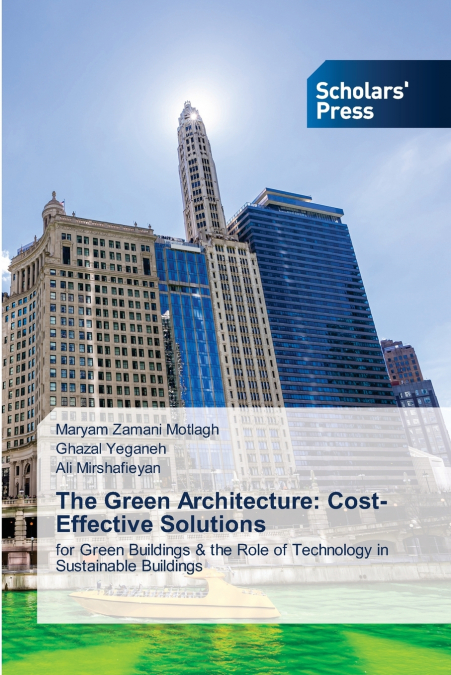
    Protecting green energy as well as non-renewable energy, as well as their sustainable use, many advances in the technology of extracting oil products and other reserves under the ground have caused many improvements. In this regard, proposing the design of buildings in which the consumption of fossil fuels reaches its lowest level is considered one of the important solutions in...
    Disponible

    82,54 €

  • Responsible Use and Management of Agrochemicals
    Juan Carlos Nava
    Uso y manejo responsable de agroquímicos is a work product of the author’s experiences (undergraduate and graduate professor, with research and extension projects), aimed at producers, companies, professionals, students, advisors, researchers, among others.Due to its structure and content, it is expected to be a valuable aid to all people directly or indirectly involved in the ...
    Disponible

    49,45 €

  • Hope in the Soil
    Ellen G White
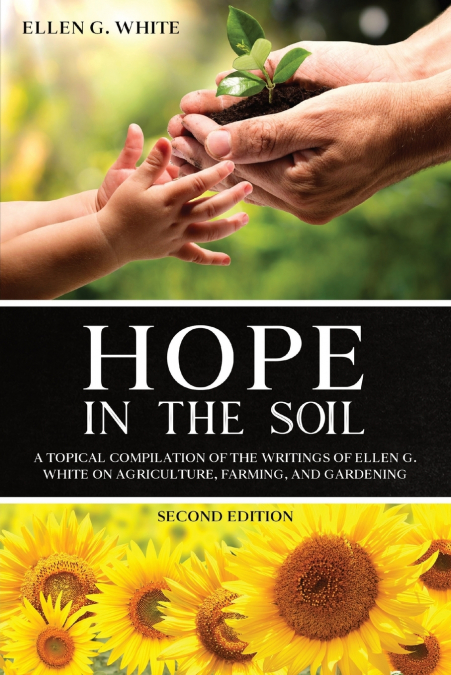
    Before edible classrooms began 'sprouting' in elementary schools, before buzzwords like 'sustainable agriculture', 'organic,' or 'veganic' came into existence, an exceptional woman named Ellen G. White penned numerous letters and articles on the importance of farming, an outdoor life, and manual labor. Though often remembered for other things, Mrs. White was actively engaged in...
    Disponible

    18,38 €

  • The Green Revolution
    Binitha Sophine Emmanuel
    The Green Revolution, a transformative era in the annals of agriculture, emerged as a game-changing force during the mid-20th century, fundamentally reshaping the methodology of food production and steering the trajectory of global food security. Characterized by a sequence of technological breakthroughs, the Green Revolution aimed to substantially augment agricultural producti...
    Disponible

    53,23 €

  • Utilization of Stingless Bees, Tetragonula laeviceps (Smith)
    Dr. J. J. Pastagia / Dr. V. C. Gadhiya
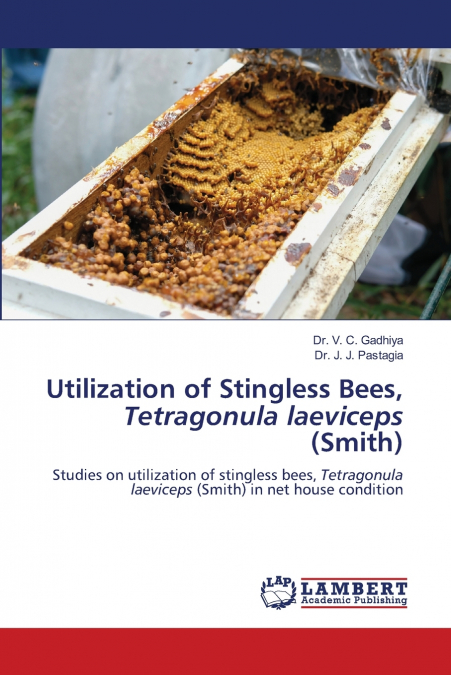
    The present investigations on utilization of stingless bees, T. laeviceps Smith in net house condition carried out with the broad aspects like flowers visited by stingless bees, T. laeviceps Smith, toxicity of insecticides to T. laeviceps Smith workers, floral biology of musk melon, foraging behavior of stingless bees, T. laeviceps Smith in net house condition, effect of pollin...
    Disponible

    84,80 €

  • La révolution verte
    Binitha Sophine Emmanuel
    La révolution verte, une ère transformatrice dans les annales de l’agriculture, est apparue comme une force qui a changé la donne au milieu du 20e siècle, remodelant fondamentalement la méthodologie de la production alimentaire et orientant la trajectoire de la sécurité alimentaire mondiale. Caractérisée par une série de percées technologiques, la révolution verte visait à augm...
    Disponible

    53,29 €

Otros libros del autor

  • Variation in Fingerhirse für Salztoleranz und DNA-Marker
    Meenakshi Ganesan / Prabhu Rajarathinam
    Fingerhirse, ein allotetraploides Getreide, wird in den ariden und semi-ariden Regionen der Welt weitläufig angebaut. Da sie reich an Proteinen und Kalzium ist, dient sie der ländlichen Bevölkerung in tropischen Entwicklungsländern als „nahrhafte Hirse'. Angesichts der gestiegenen Nachfrage nach Nahrungsmitteln und der abnehmenden Anbaufläche aufgrund konkurrierender Nutzpflanz...
    Disponible

    60,67 €

  • Variation de la tolérance à la salinité chez le millet des doigts et marqueurs d’ADN
    Meenakshi Ganesan / Prabhu Rajarathinam
    Le millet, une céréale allotétraploïde, est largement cultivé dans les régions arides et semi-arides du monde. Riche en protéines et en calcium, il sert de millet nutritif aux populations rurales des pays tropicaux en développement. Compte tenu de l’augmentation de la demande alimentaire et de la diminution des surfaces cultivées en raison de la concurrence des autres culture...
    Disponible

    60,67 €

  • Variazione nel miglio da dito per la tolleranza alla salinità e marcatori del DNA
    Meenakshi Ganesan / Prabhu Rajarathinam
    Il miglio da dito, un cereale allotetraploide, è ampiamente coltivato nelle regioni aride e semiaride del mondo. Essendo ricco di proteine e calcio, serve come 'miglio nutriente' per le popolazioni rurali dei Paesi tropicali in via di sviluppo. Considerando l’aumento della domanda alimentare e la diminuzione delle superfici a causa delle colture concorrenti, è necessario miglio...
    Disponible

    60,67 €