Inicio > Matemáticas y ciencia > Biologia, ciencias de la vida > Botánica y ciencias de las plantas > Utilisation du sucre dans les cachaças obtenues traditionnellement et par redistillation
Utilisation du sucre dans les cachaças obtenues traditionnellement et par redistillation

Utilisation du sucre dans les cachaças obtenues traditionnellement et par redistillation

João Bosco Faria / Vitor Rocha dos Santos

27,61 €
IVA incluido
Disponible
Editorial:
KS OmniScriptum Publishing
Año de edición:
2025
Materia
Botánica y ciencias de las plantas
ISBN:
9786208619060
27,61 €
IVA incluido
Disponible

Selecciona una librería:

  • Librería Samer Atenea
  • Librería Aciertas (Toledo)
  • Kálamo Books
  • Librería Perelló (Valencia)
  • Librería Elías (Asturias)
  • Donde los libros
  • Librería Kolima (Madrid)
  • Librería Proteo (Málaga)

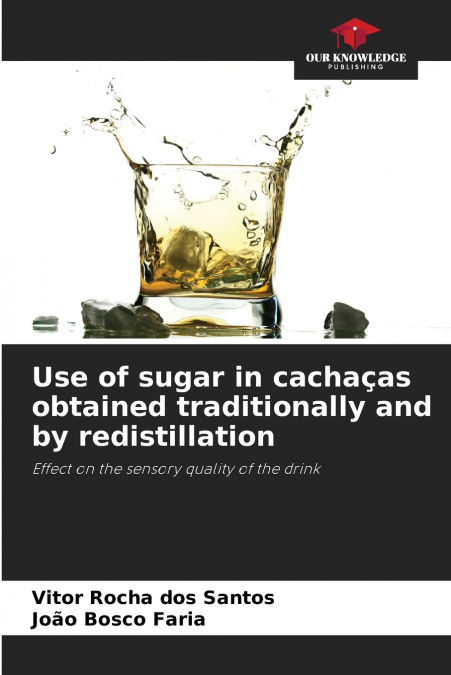
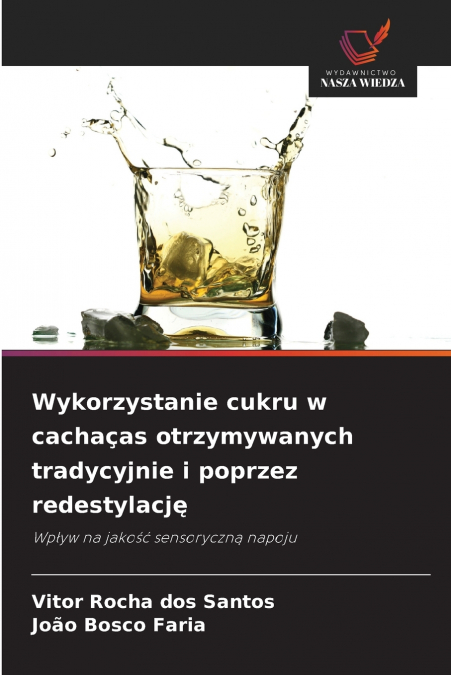
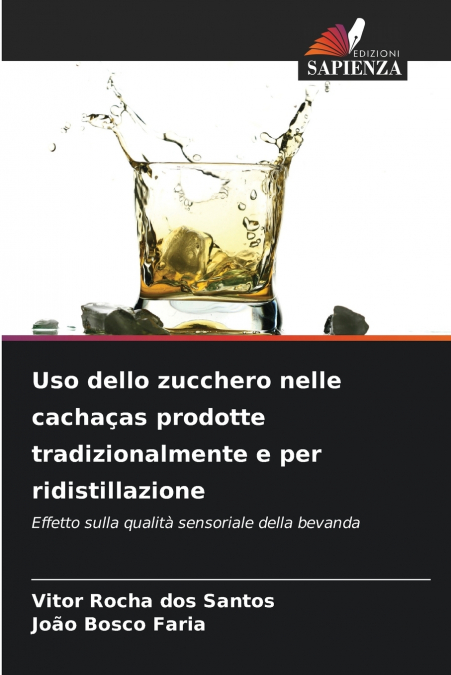
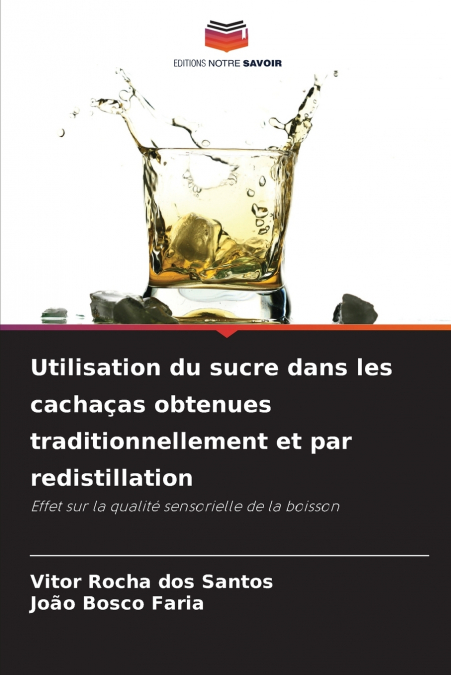
Ce livre aborde des aspects intéressants de l’une des boissons les plus consommées au monde, l’eau-de-vie de canne à sucre, la cachaça. C’est la deuxième boisson la plus consommée au Brésil, avec une production estimée à environ 1,2 milliard de litres par an. En 2009, 10,83 millions de litres ont été exportés. Parmi les principaux marchés de destination figurent l’Allemagne, les États-Unis, le Portugal et la France (ALVES, 2009). Face aux nouvelles exigences du marché, les producteurs commencent à se préoccuper d’ajouter de la valeur à la boisson, en investissant dans de nouvelles technologies et en améliorant le personnel, en contrôlant la qualité et en proposant des emballages plus sophistiqués, dans le but de placer la cachaça dans les meilleurs points de consommation du pays, aux côtés d’autres boissons distillées déjà bien établies dans le pays et dans le monde. L’ajout de sucre a été utilisé comme moyen de normaliser le goût de certaines boissons distillées, dans le but de réduire le goût de l’éthanol et les défauts sensoriels (CARDELLO et FARIA, 2000).

Artículos relacionados

  • The Green Architecture
    Ali Mirshafieyan / Ghazal Yeganeh / Maryam Zamani Motlagh
    Protecting green energy as well as non-renewable energy, as well as their sustainable use, many advances in the technology of extracting oil products and other reserves under the ground have caused many improvements. In this regard, proposing the design of buildings in which the consumption of fossil fuels reaches its lowest level is considered one of the important solutions in...
    Disponible

    82,54 €

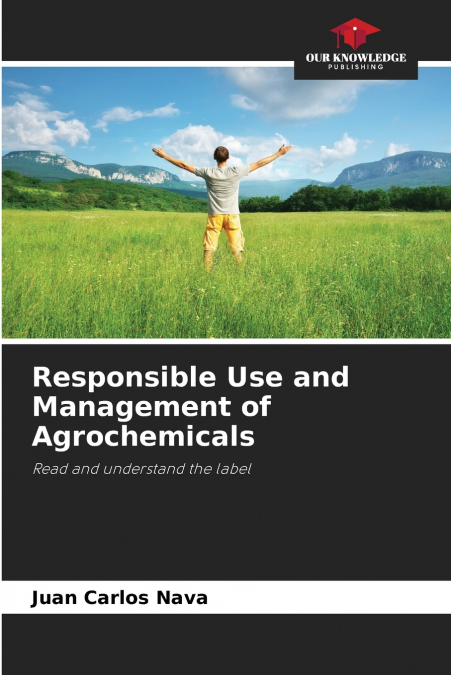
  • Responsible Use and Management of Agrochemicals
    Juan Carlos Nava
    Uso y manejo responsable de agroquímicos is a work product of the author’s experiences (undergraduate and graduate professor, with research and extension projects), aimed at producers, companies, professionals, students, advisors, researchers, among others.Due to its structure and content, it is expected to be a valuable aid to all people directly or indirectly involved in the ...
    Disponible

    49,45 €

  • Hope in the Soil
    Ellen G White
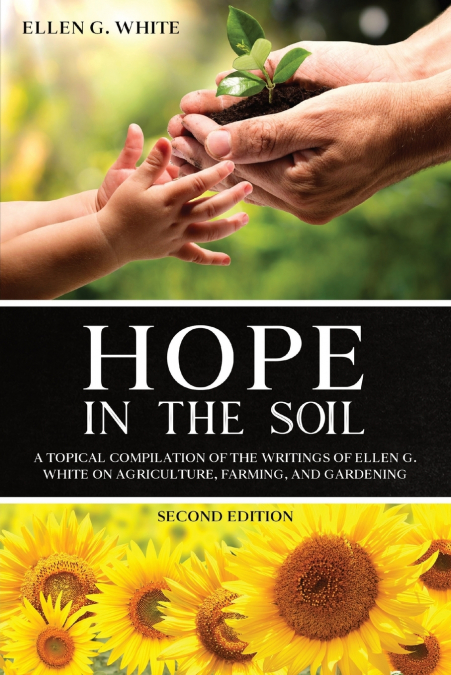
    Before edible classrooms began 'sprouting' in elementary schools, before buzzwords like 'sustainable agriculture', 'organic,' or 'veganic' came into existence, an exceptional woman named Ellen G. White penned numerous letters and articles on the importance of farming, an outdoor life, and manual labor. Though often remembered for other things, Mrs. White was actively engaged in...
    Disponible

    18,38 €

  • The Green Revolution
    Binitha Sophine Emmanuel
    The Green Revolution, a transformative era in the annals of agriculture, emerged as a game-changing force during the mid-20th century, fundamentally reshaping the methodology of food production and steering the trajectory of global food security. Characterized by a sequence of technological breakthroughs, the Green Revolution aimed to substantially augment agricultural producti...
    Disponible

    53,23 €

  • Utilization of Stingless Bees, Tetragonula laeviceps (Smith)
    Dr. J. J. Pastagia / Dr. V. C. Gadhiya
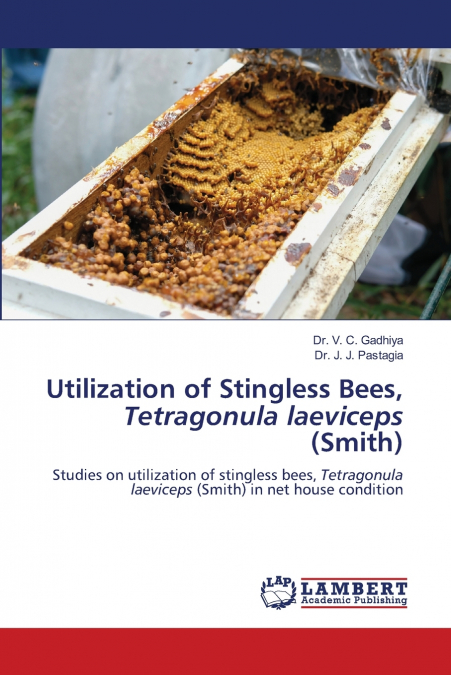
    The present investigations on utilization of stingless bees, T. laeviceps Smith in net house condition carried out with the broad aspects like flowers visited by stingless bees, T. laeviceps Smith, toxicity of insecticides to T. laeviceps Smith workers, floral biology of musk melon, foraging behavior of stingless bees, T. laeviceps Smith in net house condition, effect of pollin...
    Disponible

    84,80 €

  • La révolution verte
    Binitha Sophine Emmanuel
    La révolution verte, une ère transformatrice dans les annales de l’agriculture, est apparue comme une force qui a changé la donne au milieu du 20e siècle, remodelant fondamentalement la méthodologie de la production alimentaire et orientant la trajectoire de la sécurité alimentaire mondiale. Caractérisée par une série de percées technologiques, la révolution verte visait à augm...
    Disponible

    53,29 €

Otros libros del autor

  • Verwendung von Zucker in traditionell und durch Redestillation gewonnenen Cachaças
    João Bosco Faria / Vitor Rocha dos Santos
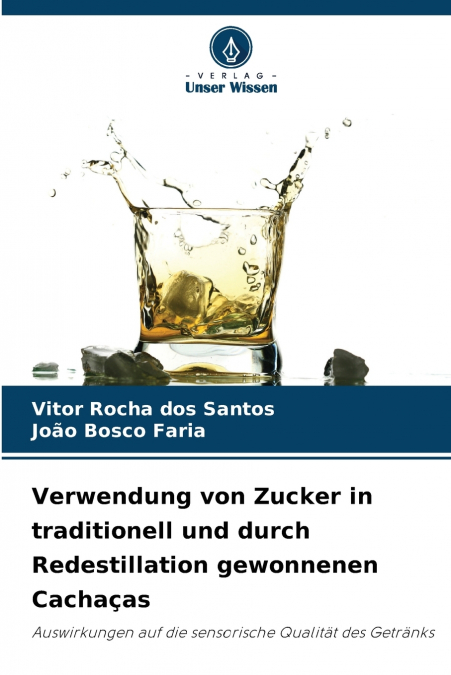
    Dieses Buch befasst sich mit interessanten Aspekten eines der am meisten konsumierten Getränke der Welt, dem Zuckerrohrschnaps, unserem Cachaça. Er ist das am zweithäufigsten konsumierte Getränk in Brasilien, wobei die Produktion auf etwa 1,2 Milliarden Liter pro Jahr geschätzt wird. Im Jahr 2009 wurden 10,83 Millionen Liter exportiert. Zu den wichtigsten Zielmärkten gehören De...
    Disponible

    27,67 €

  • Use of sugar in cachaças obtained traditionally and by redistillation
    João Bosco Faria / Vitor Rocha dos Santos
    This book covers interesting aspects of one of the most widely consumed drinks in the world, sugar cane spirit, our cachaça. It is the second most consumed drink in Brazil, with production estimated at around 1.2 billion litres per year. In 2009, 10.83 million litres were exported. Among the main destination markets are Germany, the United States, Portugal and France (ALVES, 20...
    Disponible

    27,61 €

  • Wykorzystanie cukru w cachaças otrzymywanych tradycyjnie i poprzez redestylację
    João Bosco Faria / Vitor Rocha dos Santos
    Ta książka obejmuje interesujące aspekty jednego z najczęściej spożywanych napojów na świecie, spirytusu z trzciny cukrowej, naszej cachaçy. Jest to drugi najczęściej spożywany napój w Brazylii, z produkcją szacowaną na około 1,2 miliarda litrów rocznie. W 2009 roku wyeksportowano 10,83 miliona litrów. Wśród głównych rynków docelowych znajdują się Niemcy, Stany Zjednoczone, Por...
    Disponible

    27,61 €

  • Uso dello zucchero nelle cachaças prodotte tradizionalmente e per ridistillazione
    João Bosco Faria / Vitor Rocha dos Santos
    Questo libro affronta aspetti interessanti di una delle bevande più consumate al mondo, l’acquavite di canna da zucchero, la nostra cachaça. È la seconda bevanda più consumata in Brasile, con una produzione stimata in circa 1,2 miliardi di litri all’anno. Nel 2009 sono stati esportati 10,83 milioni di litri. Tra i principali mercati di destinazione figurano Germania, Stati Unit...
    Disponible

    27,61 €