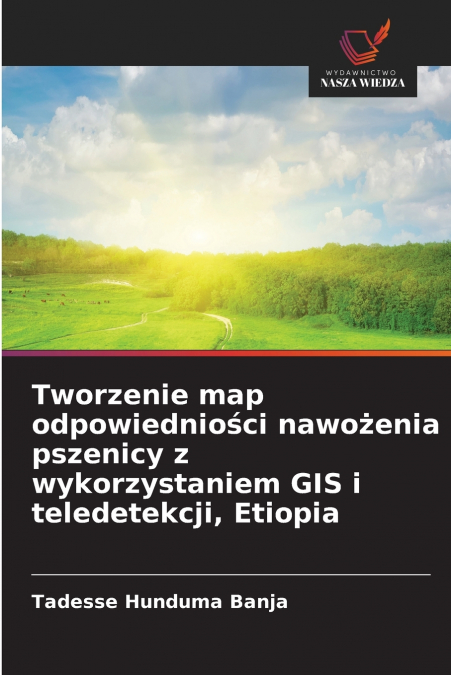

Inicio > Matemáticas y ciencia > Biologia, ciencias de la vida > Botánica y ciencias de las plantas > Tworzenie map odpowiedniości nawożenia pszenicy z wykorzystaniem GIS i teledetekcji, Etiopia
Tworzenie map odpowiedniości nawożenia pszenicy z wykorzystaniem GIS i teledetekcji, Etiopia

Tworzenie map odpowiedniości nawożenia pszenicy z wykorzystaniem GIS i teledetekcji, Etiopia

Tadesse Hunduma Banja

82,18 €
IVA incluido
Disponible
Editorial:
KS OmniScriptum Publishing
Año de edición:
2026
Materia
Botánica y ciencias de las plantas
ISBN:
9786630153217
82,18 €
IVA incluido
Disponible

Selecciona una librería:

  • Librería Samer Atenea

  • Kálamo Books
  • Librería Elías (Asturias)
  • Librería Kolima (Madrid)
  • Librería Proteo (Málaga)

Mapowanie odpowiedniości nawożenia to sposób określania zapotrzebowania poszczególnych rodzajów upraw na składniki odżywcze na podstawie wyników badań próbek gleby. Jest to bardzo ważna metoda stosowana w nowoczesnym rolnictwie precyzyjnym, mająca na celu zwiększenie efektywności wykorzystania nawozów oraz zmniejszenie ich wpływu na środowisko. W celu zapewnienia efektywnego nawożenia pszenicy w zlewni Lume w niniejszej pracy podjęto próbę sporządzenia map makroskładników odżywczych roślin, fizycznej przydatności gruntów oraz odpowiedniości stosowania fosforanu diamonu (DAP) dla pszenicy. Począwszy od pobrania próbek gleby aż po ostateczną mapę, zastosowano standardowe laboratoryjne metody analityczne oraz narzędzia GIS i teledetekcyjne. Ponieważ zarówno zawartość potasu, jak i azotu wykazywała nieznaczne wahania w obrębie zlewni, mapę przydatności nawozowej sporządzono wyłącznie dla zmienności zawartości fosforu. Zapotrzebowanie pszenicy na DAP określono jako różnicę między krytycznym poziomem fosforu dla pszenicy a początkowym poziomem fosforu w glebie. Ostatecznie, poprzez zastosowanie interpolacji Krigniga, przygotowano mapę przydatności DAP dla pszenicy. Mapa zapotrzebowania na DAP dla tego obszaru wskazuje, że około 51,38%, 20,25%, 18,40% i 8,43% powierzchni wymaga odpowiednio od 50 do 75 kg/ha, od 75 do 100 kg/ha, od 25 do 50 kg/ha oraz powyżej 100 kg/ha.
Artículos relacionados

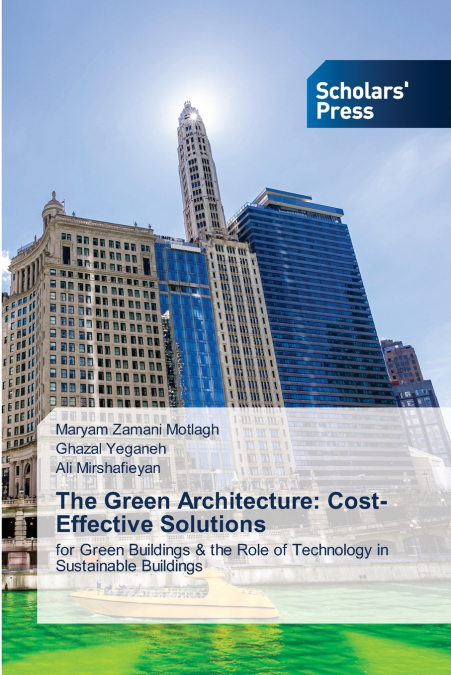
  • The Green Architecture
    Ali Mirshafieyan / Ghazal Yeganeh / Maryam Zamani Motlagh
    Protecting green energy as well as non-renewable energy, as well as their sustainable use, many advances in the technology of extracting oil products and other reserves under the ground have caused many improvements. In this regard, proposing the design of buildings in which the consumption of fossil fuels reaches its lowest level is considered one of the important solutions in...
    Disponible

    93,95 €

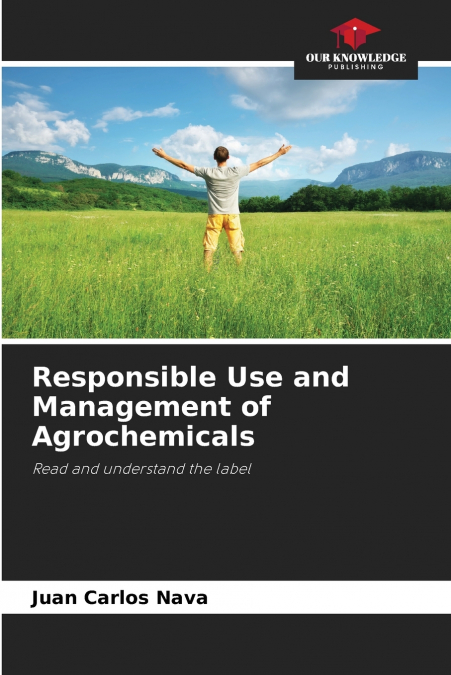
  • Responsible Use and Management of Agrochemicals
    Juan Carlos Nava
    Uso y manejo responsable de agroquímicos is a work product of the author’s experiences (undergraduate and graduate professor, with research and extension projects), aimed at producers, companies, professionals, students, advisors, researchers, among others.Due to its structure and content, it is expected to be a valuable aid to all people directly or indirectly involved in the ...
    Disponible

    56,25 €

  • Hope in the Soil
    Ellen G White
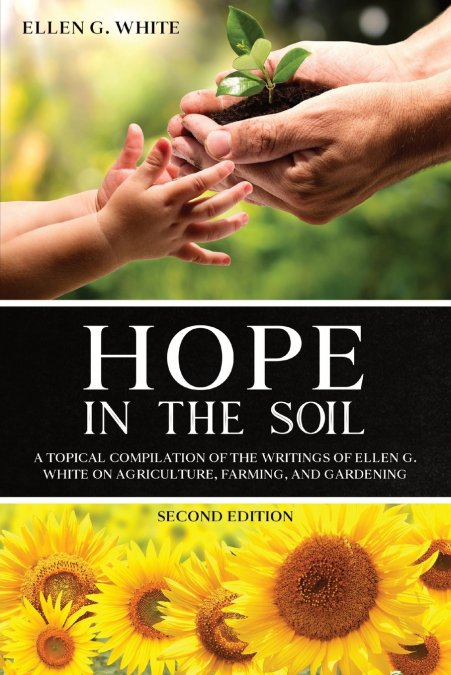
    Before edible classrooms began 'sprouting' in elementary schools, before buzzwords like 'sustainable agriculture', 'organic,' or 'veganic' came into existence, an exceptional woman named Ellen G. White penned numerous letters and articles on the importance of farming, an outdoor life, and manual labor. Though often remembered for other things, Mrs. White was actively engaged in...
    Disponible

    20,23 €

  • The Green Revolution
    Binitha Sophine Emmanuel
    The Green Revolution, a transformative era in the annals of agriculture, emerged as a game-changing force during the mid-20th century, fundamentally reshaping the methodology of food production and steering the trajectory of global food security. Characterized by a sequence of technological breakthroughs, the Green Revolution aimed to substantially augment agricultural producti...
    Disponible

    60,53 €

  • Utilization of Stingless Bees, Tetragonula laeviceps (Smith)
    Dr. J. J. Pastagia / Dr. V. C. Gadhiya
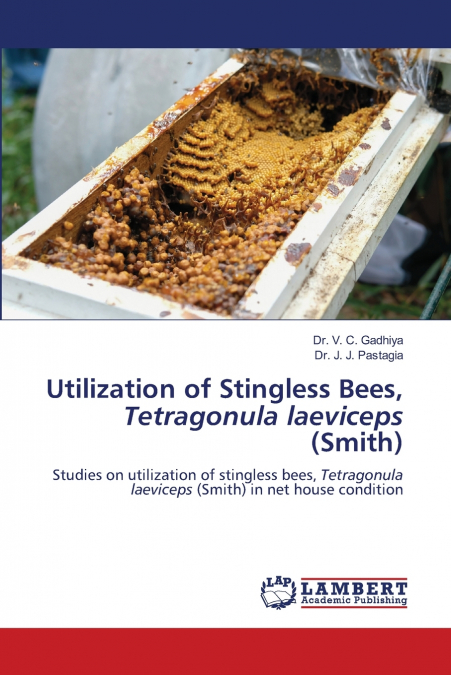
    The present investigations on utilization of stingless bees, T. laeviceps Smith in net house condition carried out with the broad aspects like flowers visited by stingless bees, T. laeviceps Smith, toxicity of insecticides to T. laeviceps Smith workers, floral biology of musk melon, foraging behavior of stingless bees, T. laeviceps Smith in net house condition, effect of pollin...
    Disponible

    96,50 €

  • La révolution verte
    Binitha Sophine Emmanuel
    La révolution verte, une ère transformatrice dans les annales de l’agriculture, est apparue comme une force qui a changé la donne au milieu du 20e siècle, remodelant fondamentalement la méthodologie de la production alimentaire et orientant la trajectoire de la sécurité alimentaire mondiale. Caractérisée par une série de percées technologiques, la révolution verte visait à augm...
    Disponible

    60,59 €

Otros libros del autor

  • Cartographie de l’adéquation des engrais pour le blé à l’aide du SIG et de la télédétection, Éthiopie
    Tadesse Hunduma Banja
    La cartographie des besoins en engrais permet de déterminer les nutriments requis par un type de culture spécifique à partir des résultats d’analyses d’échantillons de sol. Il s’agit d’une méthode essentielle pour l’agriculture de précision moderne, visant à améliorer l’efficacité de l’utilisation des engrais et à réduire leur impact sur l’environnement. Afin d’optimiser l’épan...
    Disponible

    82,18 €

  • GIS- und Fernerkundungsbasierte Kartierung der Düngergeeignung für Weizen, Äthiopien
    Tadesse Hunduma Banja
    Die Kartierung der Düngemitteleignung dient dazu, den Nährstoffbedarf bestimmter Kulturpflanzen auf der Grundlage von Bodenprobenuntersuchungen zu ermitteln. Sie ist eine sehr wichtige Methode der modernen Präzisionslandwirtschaft, um die Effizienz des Düngemitteleinsatzes zu steigern und die Umweltverträglichkeit zu verbessern. Um eine effiziente Düngung von Weizen im Einzugsg...
    Disponible

    82,18 €

  • Mappatura dell’idoneità all’uso di fertilizzanti per il grano basata su GIS e telerilevamento, Etiopia
    Tadesse Hunduma Banja
    La mappatura dell’idoneità dei fertilizzanti è il metodo utilizzato per determinare il fabbisogno di nutrienti di una specifica coltura sulla base dei risultati delle analisi dei campioni di suolo. Si tratta di un metodo di fondamentale importanza per l’agricoltura di precisione moderna, volto ad aumentare l’efficienza nell’uso dei fertilizzanti e a ridurre l’impatto ambientale...
    Disponible

    82,18 €

  • Mapeamento da adequação de fertilizantes para o trigo com base em SIG e teledeteção, Etiópia
    Tadesse Hunduma Banja
    O mapeamento da adequação de fertilizantes consiste em determinar os nutrientes necessários a um tipo específico de cultura com base nos resultados de análises de amostras de solo. Trata-se de um método muito importante para a agricultura de precisão moderna, com vista a aumentar a eficiência na utilização de fertilizantes e a sustentabilidade ambiental. Com o objetivo de garan...
    Disponible

    82,18 €