 Librería Samer Atenea
 Kálamo Books
 Librería Elías (Asturias)
 Librería Kolima (Madrid)
 Librería Proteo (Málaga)
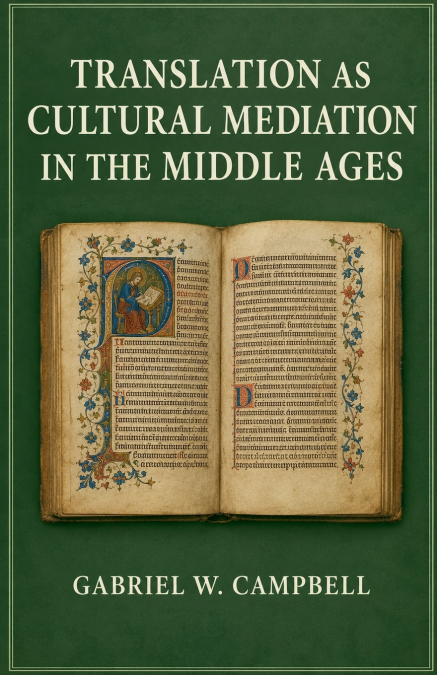
For much of modern scholarship, translation has been understood primarily as the act of rendering a text from one language into another. Such a definition, while useful in its simplicity, proves inadequate when applied to the complex realities of the medieval world. Between the fifth and the fifteenth centuries, translation functioned not merely as a linguistic operation but as a powerful mechanism of cultural mediation through which ideas, beliefs, institutions, scientific knowledge, literary traditions, and social practices crossed political, religious, and linguistic boundaries. Medieval translators did not simply transfer words. They interpreted entire worlds. Their work involved negotiating differences in intellectual traditions, adapting concepts to new audiences, and creating bridges between communities that often possessed divergent cultural assumptions. To understand translation in the Middle Ages is therefore to understand one of the principal means through which medieval societies communicated with one another and transformed themselves.