 Librería Samer Atenea
 Kálamo Books
 Librería Elías (Asturias)
 Librería Kolima (Madrid)
 Librería Proteo (Málaga)
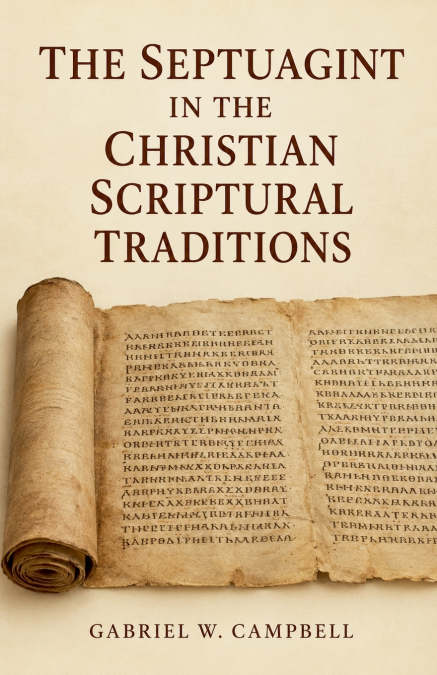
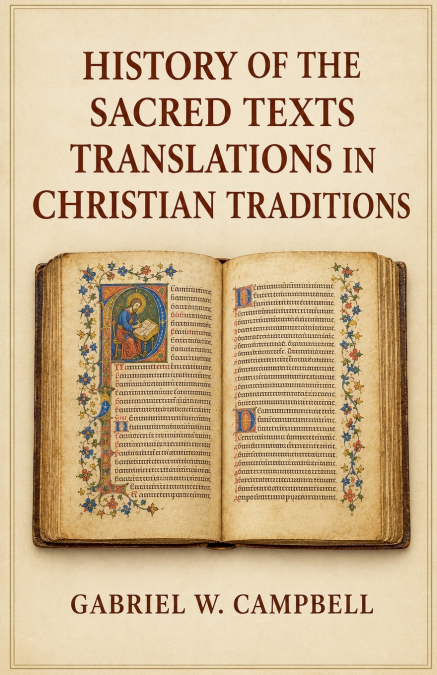
The history of Christianity is inseparable from the history of translation. From its earliest centuries, the Christian faith developed as a multilingual movement that crossed ethnic, geographic, and cultural boundaries with remarkable speed. Unlike religious traditions that remained closely tied to a single sacred language, Christianity emerged at the intersection of several linguistic worlds. The Hebrew of ancient Israel, the Aramaic spoken by many Jews of the Second Temple period, and the Greek language that dominated the eastern Mediterranean all played foundational roles in the formation of the biblical canon. As Christianity expanded into new regions, the sacred texts continued to move across linguistic frontiers, assuming new forms in Syriac, Latin, Coptic, Armenian, Georgian, Ethiopic, Slavonic, and eventually hundreds of vernacular languages throughout the world. The story of Christian scripture is therefore not merely a story of texts, doctrines, and institutions. It is also a story of translation, adaptation, interpretation, and transformation.