 Librería Samer Atenea
 Kálamo Books
 Librería Elías (Asturias)
 Librería Kolima (Madrid)
 Librería Proteo (Málaga)
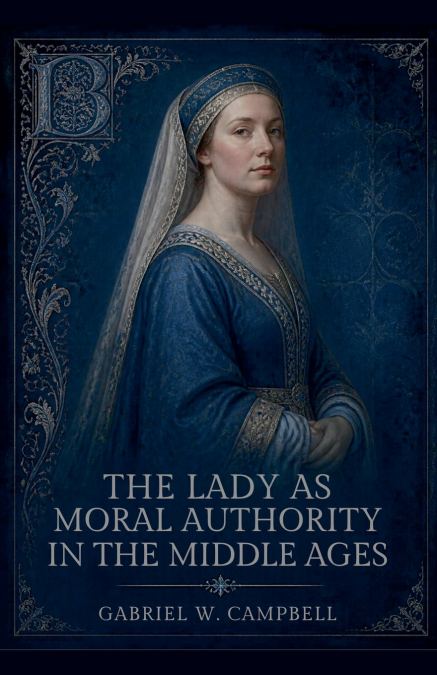
The history of authority in medieval Europe has often been written in the language of offices, institutions, jurisdictions, and legally recognized powers. Kings ruled kingdoms, bishops governed dioceses, lords exercised jurisdiction over lands and dependents, and clerics occupied positions within an ecclesiastical hierarchy that generally excluded women from sacramental office. Such categories are indispensable to the political and institutional history of the Middle Ages, but they do not exhaust the forms through which authority was created, recognized, and exercised. Medieval societies were also governed by expectations of virtue, reputation, sanctity, lineage, obligation, counsel, mercy, and honor. Within these moral economies, women, and particularly women of aristocratic, royal, or religious standing, could acquire an influence disproportionate to the formal powers available to them. The purpose of this book is to investigate that influence by treating the medieval lady not primarily as an exception to masculine political structures, nor merely as the passive object of literary idealization, but as a potential bearer of moral authority whose legitimacy arose from a complex relationship among gender, virtue, social status, religious expectation, and communal recognition.