 Librería Samer Atenea
 Kálamo Books
 Librería Elías (Asturias)
 Librería Kolima (Madrid)
 Librería Proteo (Málaga)
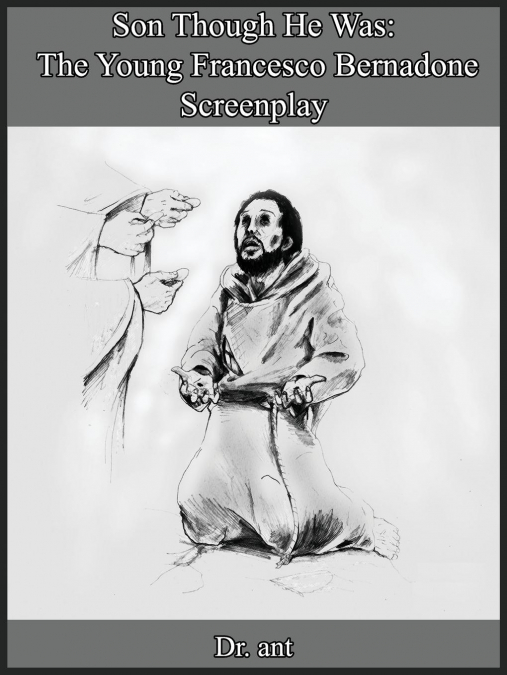
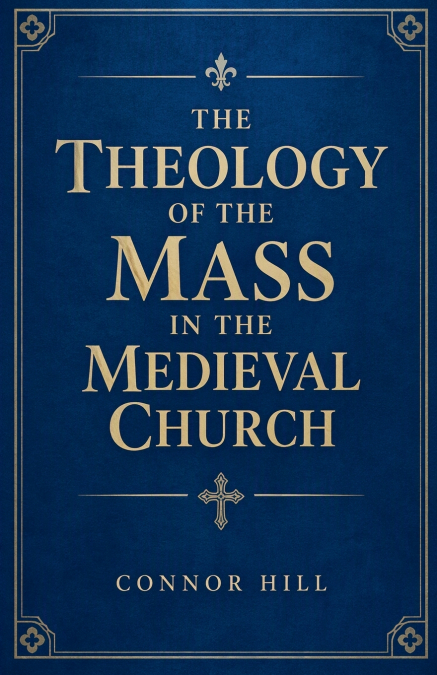
Few institutions exercised a greater influence upon medieval Christianity than the Mass. More than a liturgical ceremony, more than a sacramental rite, and more than a theological concept, the Mass stood at the very heart of the medieval Christian imagination. It structured time, shaped sacred space, informed patterns of devotion, inspired theological reflection, and provided the primary framework through which Christians understood their relationship with God. Whether celebrated in the grandeur of a cathedral, the solemnity of a monastery, or the modest setting of a village church, the Mass represented the central act of Christian worship and the most visible expression of ecclesiastical life.The medieval Church inherited from antiquity a rich tradition of Eucharistic belief and practice. The earliest Christians gathered to commemorate the death and resurrection of Christ through the breaking of bread and the sharing of the cup, actions rooted in the narratives of the Last Supper and interpreted through the teachings of the apostles. By the early Middle Ages, however, these practices had evolved into a highly developed liturgical system supported by a sophisticated theological framework. The Eucharist was no longer merely remembered as a communal meal of believers; it was increasingly understood as the sacramental re-presentation of Christ’s sacrifice, the locus of divine presence, and the chief means through which grace was communicated to the faithful.