
The Rise and Fall of the Khitan Empire

The Rise and Fall of the Khitan Empire

Joseph McKelvey

41,71 €
IVA incluido
Disponible
Editorial:
SilverBack
Año de edición:
2026
Materia
Historia de Asia
ISBN:
9798233766954
41,71 €
IVA incluido
Disponible

Selecciona una librería:

  • Librería Samer Atenea

  • Kálamo Books
  • Librería Elías (Asturias)
  • Librería Kolima (Madrid)
  • Librería Proteo (Málaga)

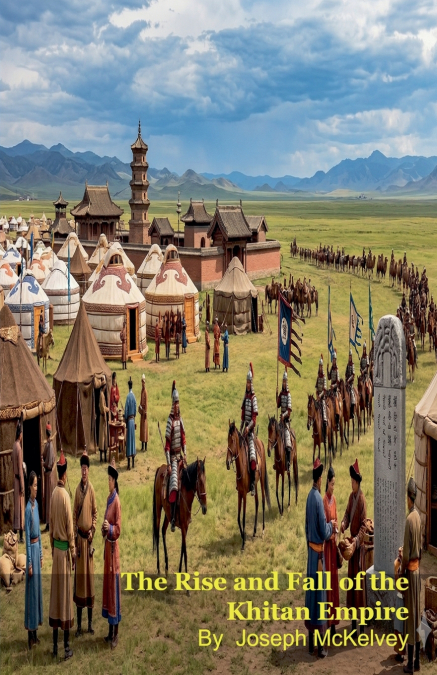
The Rise and Fall of the Khitan EmpireFor two centuries, the Khitan people ruled one of the most sophisticated empires in medieval East Asia - yet their story remains one of history’s most overlooked chapters. Rising from obscurity in the northeastern steppe after the collapse of the Tang dynasty, the Khitan under the visionary Yelü Abaoji founded the Liao dynasty in 916 CE and built an institutional masterpiece: the Dual Administration System, which governed nomadic and sedentary populations simultaneously without forcing either to abandon its identity. Their empire produced remarkable Buddhist monuments, two independent writing systems, a distinctive artistic tradition, and some of the most powerful women in pre-modern Asian history.When the Jurchen Jin destroyed the Liao in 1125 CE, the Khitan did not simply vanish. A remnant people followed Yelü Dashi westward across the steppe to found the Qara Khitai in Central Asia - a second empire that became the medieval world’s most religiously tolerant state and whose defeat of the Seljuk Sultanate echoed all the way to Crusader Europe as the legend of Prester John. Their name became 'Cathay,' the western world’s word for China. Their descendants, the Daur people of Northeast China, carry their genetic and cultural legacy to this day.This is the full story of the Khitan - empire builders, institutional pioneers, and the people who named a world.

Artículos relacionados

  • Understanding Aikido
    Jan J Sunderlin
    Understanding Aikido: Essential Information and Perceptions (Special Edition) presents an historical, cultural, and philosophical look at the development of the Japanese martial art of Aikido. Sunderlin focuses on the influences brought to bear on Morihei Ueshiba, the founder of Aikido, and the subsequent cultivation of the latter's martial art as a vessel of Budo. The author a...
  • Not by Love Alone
    Margaret Mehl
    Suzuki Shin'ichi, the Tokyo String Quartet, Midori - How did Japanese violinists manage to revolutionize violin teaching, win international competitions, conquer Western concert stages, study at world-famous conservatoires and take up positions in leading orchestras and prestigious music faculties? What enabled the Japanese to master Western classical music within a few decades...
    Disponible

    35,18 €

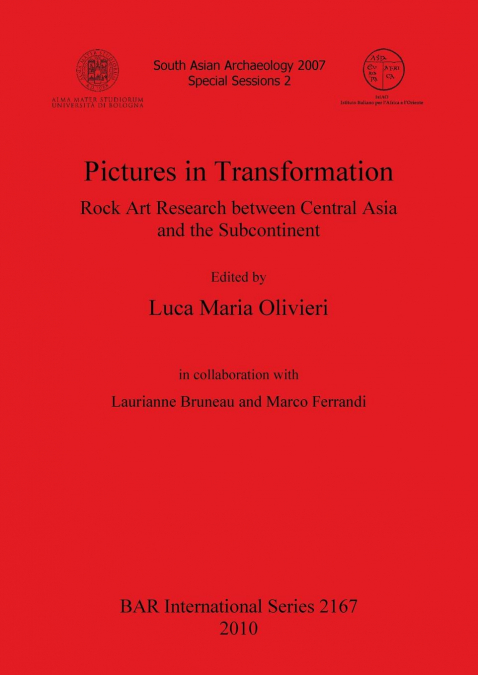
  • Pictures in Transformation
    Luca Maria Olivieri
    ...
    Disponible

    61,30 €

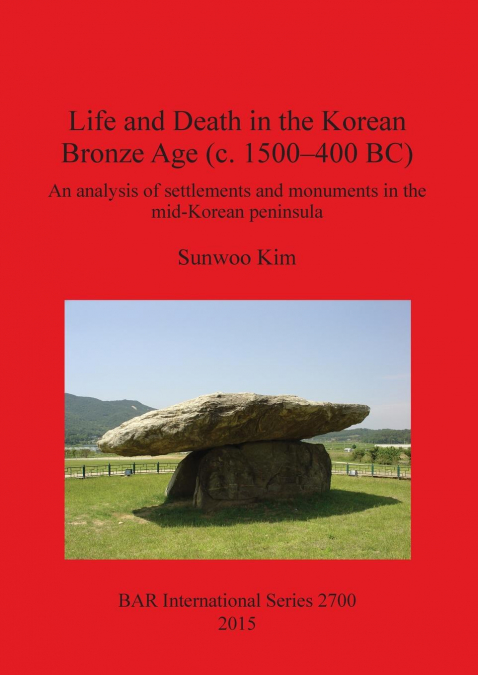
  • Life and Death in the Korean Bronze Age (c. 1500-400 BC)
    Sunwoo Kim
    This research focuses on the Bronze Age in selected areas of Korea; Seoul, Incheon, and Gyeonggi province. Two forms of evidence - settlements and monuments - are taken into account to identify their relationship with landscape and the social changes occurring between ca. 1500 to 400 cal BC. Life and death in the Bronze Age in Korea has not been synthetically investigated befor...
    Disponible

    121,17 €

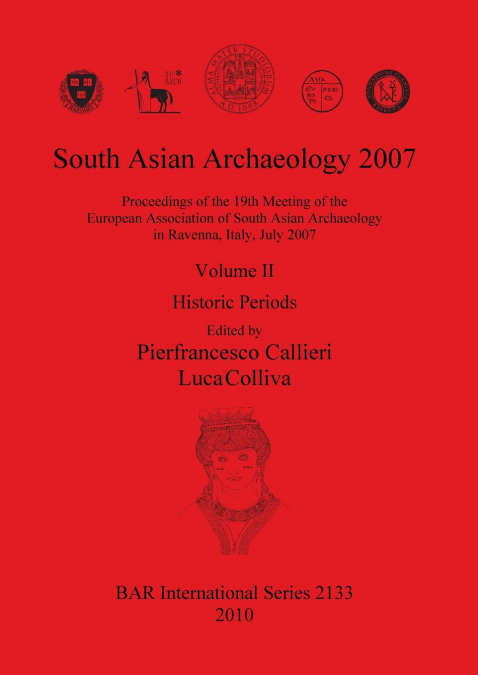
  • South Asian Archaeology 2007
    Proceedings of the 19th Meeting of the European Association of South Asian Archaeology in Ravenna, Italy, July 2007.                     ...
    Disponible

    203,17 €

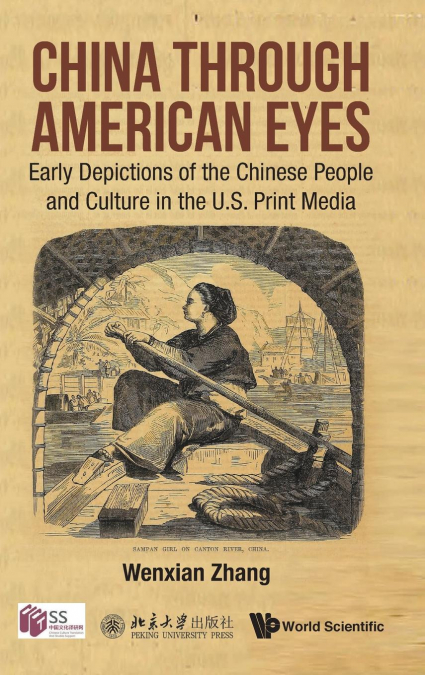
  • CHINA THROUGH AMERICAN EYES
    Wenxian Zhang / ZHANG WENXIAN
    Cultural understanding between the United States and China has been a long and complex process. The period from the mid-nineteenth century to the early twentieth century is not only a critical era in modern Chinese history, but also the peak time of illustrated news reporting in the United States. Besides images from newspapers and journals, this collection also contains pictur...

Otros libros del autor

  • The God-King of the Mountain
    Joseph McKelvey
    The God-King of the Mountain: Jayavarman IIIn 802 AD, on a sacred plateau rising from the Cambodian plain, a king performed a ceremony that changed the history of Southeast Asia forever. Jayavarman II, warrior, diplomat, and visionary, gathered his priests, invoked the gods of the Shaiva Tantric tradition, and declared himself the sole sovereign of the Khmer land, independent o...
    Disponible

    28,37 €