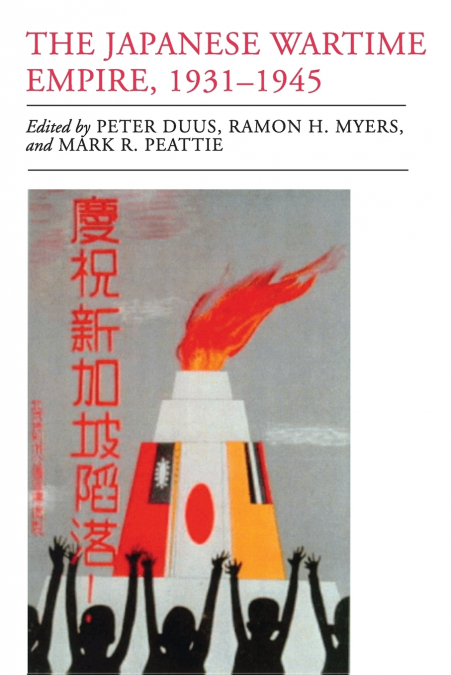

The Japanese Wartime Empire, 1931-1945

The Japanese Wartime Empire, 1931-1945


50,18 €
IVA incluido
Disponible
Editorial:
Princeton University Press
Año de edición:
2010
Materia
Historia de Asia
ISBN:
9780691145068
50,18 €
IVA incluido
Disponible

Selecciona una librería:

  • Librería Samer Atenea
  • Librería Aciertas (Toledo)
  • Kálamo Books
  • Librería Perelló (Valencia)
  • Librería Elías (Asturias)
  • Donde los libros
  • Librería Kolima (Madrid)
  • Librería Proteo (Málaga)

With this book the editors complete the three-volume series on modern Japanese colonialism and imperialism that began with The Japanese Colonial Empire, 1895-1945 (Princeton, 1983) and The Japanese Informal Empire in China, 1895-1937 (Princeton, 1989). The Japanese military takeover in Manchuria between 1931 and 1932 was a critical turning point in East Asian history. It marked the first surge of Japanese aggression beyond the boundaries of its older colonial empire and set Japan on a collision course with China and Western colonial powers from 1937 through 1945. These essays seek to illuminate some of the more significant processes and institutions during the period when the empire was at war: the creation of a Japanese-dominated East Asian economic bloc centered in northeast Asia, the mobilization of human and physical resources in the older established areas of Japanese colonial rule, and the penetration and occupation of Southeast Asia.Introduced by Peter Duus, the volume contains four sections: Japan’s Wartime Empire and the Formal Colonies (Carter J. Eckert and Wan-yao Chou), Japan’s Wartime Empire and Northeast Asia (Louise Young, Y. Tak Matsusaka, Ramon H. Myers, and Takafusa Nakamura), Japan’s Wartime Empire and Southeast Asia (Mark R. Peattie, E. Bruce Reynolds, and Ken’ichi Goto), and Japan’s Wartime Empire in Other Perspectives (George Hicks, Hideo Kobayashi, and L. H. Gann).
Artículos relacionados

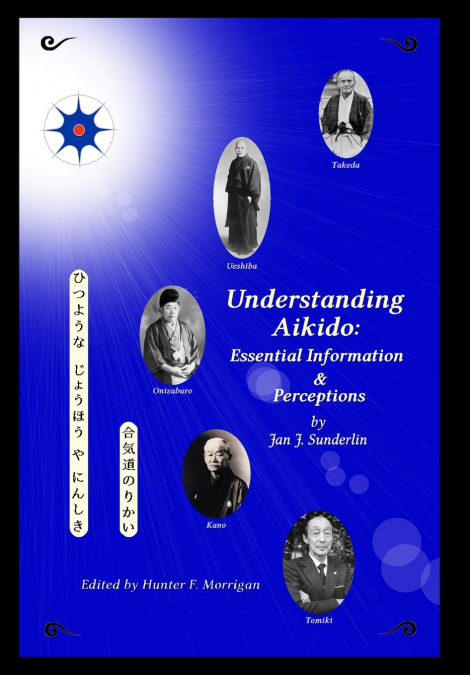
  • Understanding Aikido
    Jan J Sunderlin
    Understanding Aikido: Essential Information and Perceptions (Special Edition) presents an historical, cultural, and philosophical look at the development of the Japanese martial art of Aikido. Sunderlin focuses on the influences brought to bear on Morihei Ueshiba, the founder of Aikido, and the subsequent cultivation of the latter's martial art as a vessel of Budo. The author a...
    Disponible

    63,06 €

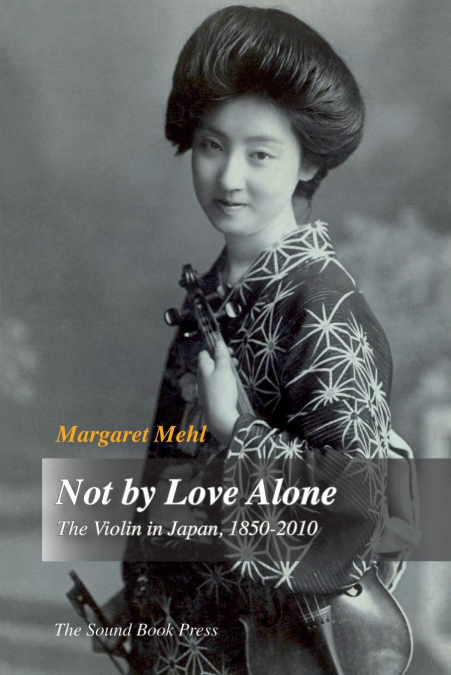
  • Not by Love Alone
    Margaret Mehl
    Suzuki Shin'ichi, the Tokyo String Quartet, Midori - How did Japanese violinists manage to revolutionize violin teaching, win international competitions, conquer Western concert stages, study at world-famous conservatoires and take up positions in leading orchestras and prestigious music faculties? What enabled the Japanese to master Western classical music within a few decades...
    Disponible

    29,32 €

  • Pictures in Transformation
    Luca Maria Olivieri
    ...
    Disponible

    54,79 €

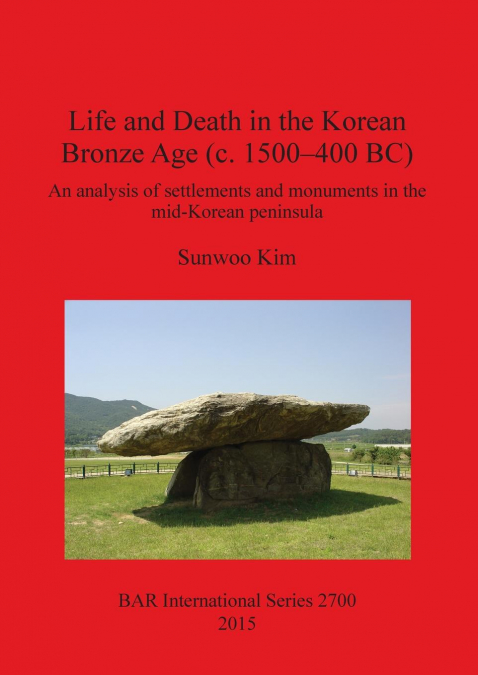
  • Life and Death in the Korean Bronze Age (c. 1500-400 BC)
    Sunwoo Kim
    This research focuses on the Bronze Age in selected areas of Korea; Seoul, Incheon, and Gyeonggi province. Two forms of evidence - settlements and monuments - are taken into account to identify their relationship with landscape and the social changes occurring between ca. 1500 to 400 cal BC. Life and death in the Bronze Age in Korea has not been synthetically investigated befor...
    Disponible

    108,34 €

  • South Asian Archaeology 2007
    Proceedings of the 19th Meeting of the European Association of South Asian Archaeology in Ravenna, Italy, July 2007.                     ...
    Disponible

    182,04 €

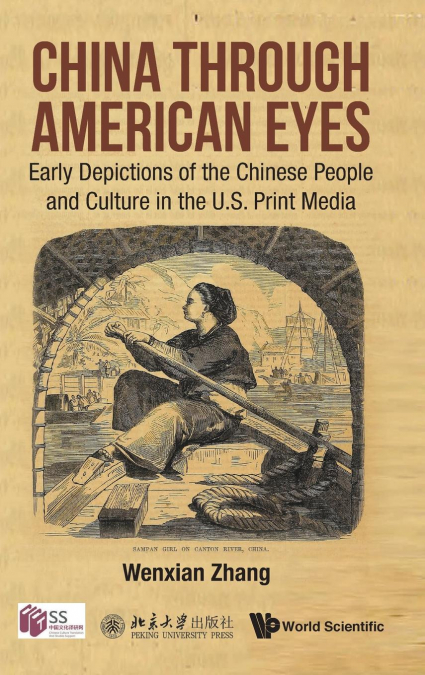
  • CHINA THROUGH AMERICAN EYES
    Wenxian Zhang / ZHANG WENXIAN
    Cultural understanding between the United States and China has been a long and complex process. The period from the mid-nineteenth century to the early twentieth century is not only a critical era in modern Chinese history, but also the peak time of illustrated news reporting in the United States. Besides images from newspapers and journals, this collection also contains pictur...