 Librería Samer Atenea
 Kálamo Books
 Librería Elías (Asturias)
 Librería Kolima (Madrid)
 Librería Proteo (Málaga)
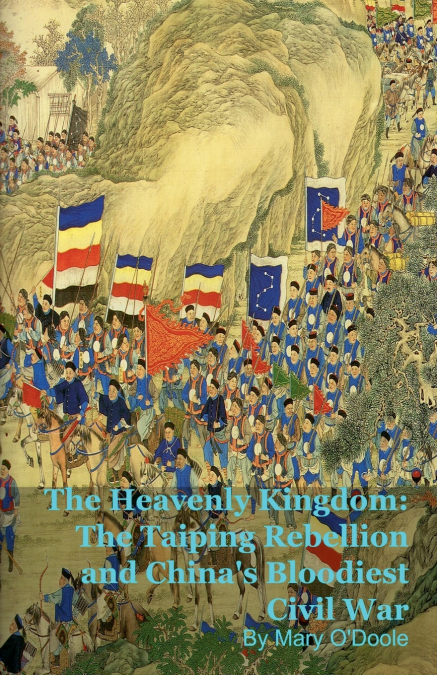
The Heavenly Kingdom: The Taiping Rebellion and China’s Bloodiest Civil War The Heavenly Kingdom tells the complete story of this forgotten catastrophe, from Hong’s mystical visions in a Guangdong village to the apocalyptic fall of Nanjing that ended the rebellion. Drawing on Chinese sources, Western missionary accounts, and modern scholarship, this narrative history reveals how genuine grievances against poverty and corruption transformed into revolutionary violence, how utopian promises devolved into brutal hypocrisy, and how a civil war escalated into mutual extermination. The rebellion began with promise. Hong’s God Worshipping Society attracted tens of thousands of desperate peasants with its message of equality and divine favor. The movement’s early military successes seemed to confirm divine blessing-the Taiping captured Nanjing in 1853 and established a capital that controlled millions. They proclaimed radical social reforms: land redistribution, gender equality, prohibition of opium and foot-binding, and destruction of traditional religion. But the promise was betrayed. Hong lived in luxury with over one hundred concubines while demanding celibacy from followers. The promised land reform was never implemented. The gender revolution became oppressive segregation. Internal power struggles exploded in the Tianjing Incident of 1856, when tens of thousands were massacred in factional violence. The movement’s most capable leaders were killed or driven away, leaving mediocrities and fanatics in charge. The Qing Dynasty’s response was equally brutal. Zeng Guofan’s systematic siege warfare deliberately starved cities into submission. The siege of Anqing saw cannibalism in the streets. The final siege of Nanjing lasted over two years, reducing a population of half a million to skeletal survivors before the city fell in an orgy of massacre and mass suicide. The fall claimed another hundred thousand lives in three days of apocalyptic violence. The Heavenly Kingdom explores not just the military campaigns but the human experience: What was it like to starve in a besieged city? How did believers reconcile their faith with leadership hypocrisy? Why did millions continue fighting for a obviously doomed cause? The narrative examines the rebellion through multiple perspectives-Taiping true believers and opportunists, Qing officials torn between loyalty and reform, foreign observers oscillating between hope and horror, and ordinary people trapped between two brutal sides. The book also confronts the demographic catastrophe honestly, examining how historians estimate a death toll of twenty million, what these deaths meant in human terms, and how regions depopulated by war required generations to recover. The rebellion’s legacy shaped modern China: it exposed the Qing Dynasty’s fatal weaknesses, established patterns of regional militarism that would plague China for decades, and provided both inspiration and cautionary lessons for later revolutionaries. This is the definitive narrative history of the Taiping Rebellion for general readers-comprehensive yet accessible, scholarly rigorous yet emotionally engaging, and honest about both the genuine grievances that sparked the rebellion and the terrible costs of attempting revolution through total war. It is essential reading for anyone seeking to understand modern Chinese history, the dynamics of civil war, or the human capacity for both visionary idealism and catastrophic violence.