 Librería Samer Atenea
 Kálamo Books
 Librería Elías (Asturias)
 Librería Kolima (Madrid)
 Librería Proteo (Málaga)
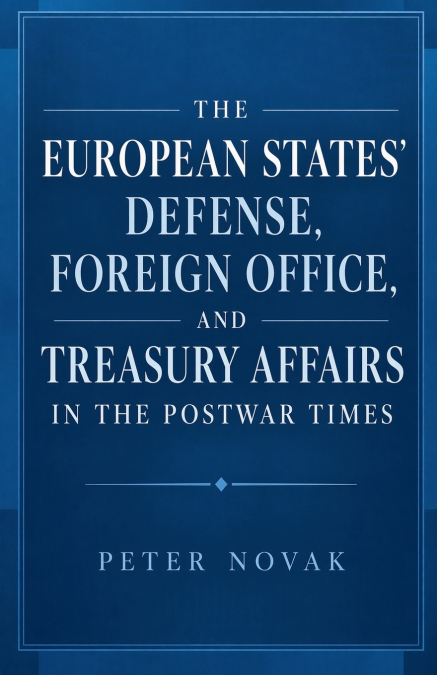
The conclusion of the Second World War marked one of the most profound ruptures in European history. In 1945, the continent emerged from six years of unprecedented destruction, political upheaval, economic exhaustion, and social dislocation. Entire cities lay in ruins, industrial production had collapsed across vast regions, transportation networks had been shattered, and millions of people found themselves displaced, impoverished, or uncertain of their future. The war had not only redrawn borders and altered balances of power; it had fundamentally challenged the ability of European states to govern, defend themselves, manage their economies, and conduct their relations with the outside world. The institutions that had once appeared permanent had either been discredited by collaboration, weakened by occupation, or destroyed by conflict. The rebuilding of Europe therefore required far more than physical reconstruction. It demanded the reconstruction of state authority itself.This book examines that process through the interconnected histories of defense affairs, foreign offices, and treasury institutions in postwar Europe. These three spheres constituted the central pillars upon which modern states rested. Defense ministries were responsible for ensuring national security in an increasingly dangerous international environment. Foreign ministries navigated the complex diplomatic challenges of the emerging Cold War, decolonization, and regional integration. Treasury departments and finance ministries managed the resources necessary to support recovery, welfare expansion, and military commitments. Although historians often study these institutions separately, the reality of postwar governance reveals their constant interaction. Decisions concerning military strategy depended upon financial resources. Diplomatic initiatives influenced defense planning. Economic policies shaped the possibilities and limitations of foreign relations. Understanding postwar Europe therefore requires examining these dimensions not as isolated fields but as components of a broader system of statecraft.