Inicio > Matemáticas y ciencia > Biologia, ciencias de la vida > Botánica y ciencias de las plantas > Standardisierung des Schweregrads des Rebschnitts bei der Rebsorte Red Globe
Standardisierung des Schweregrads des Rebschnitts bei der Rebsorte Red Globe

Standardisierung des Schweregrads des Rebschnitts bei der Rebsorte Red Globe

Harikanth Porika / R.M. Vijayakumar Soorianathasundaram

45,22 €
IVA incluido
Disponible
Editorial:
KS OmniScriptum Publishing
Año de edición:
2024
Materia
Botánica y ciencias de las plantas
ISBN:
9786208094553
45,22 €
IVA incluido
Disponible

Selecciona una librería:

  • Librería Samer Atenea
  • Librería Aciertas (Toledo)
  • Kálamo Books
  • Librería Perelló (Valencia)
  • Librería Elías (Asturias)
  • Donde los libros
  • Librería Kolima (Madrid)
  • Librería Proteo (Málaga)

Die Weinrebe (Vitis vinifera L.) gilt als eine der wichtigsten kommerziellen Obstkulturen in gemäßigten Regionen. Sie wird jedoch auch in tropischen und subtropischen Regionen der Welt erfolgreich als kommerzielle Obstkultur angebaut. Der Weinanbau in Indien ist aufgrund seiner hohen Produktivität (21,80 MT/ha) im Vergleich zu vielen anderen Trauben produzierenden Ländern von großer Bedeutung. In Hyderabad wurde mit der Anab-e-Shahi-Sorte ein Rekordertrag von 150 Tonnen pro Hektar erzielt, was von Olmo (1970) als biologisches Wunder bezeichnet wurde. „Red Globe', die aufstrebende Sorte Die Reben sind von mäßiger Wuchskraft, neigen aber dazu, mehr Trauben unterschiedlicher Größe zu produzieren. Daher müssen die optimale Größe des Blätterdachs und die optimale Anzahl der Trauben pro Rebstock beibehalten werden, um eine bessere Fruchtqualität zu erzielen. Die Beeren sind sehr kräftig, kugelförmig und enthalten nur wenige weiche Samen. Das Fruchtfleisch ist sehr fest und fleischig, die Schale ist hellrot und lässt sich oft abziehen. Die Beeren sind attraktiv, wenn sie sich weinrot färben, und erzielen auf dem Markt hohe Preise. Sie haben ein hohes Exportpotenzial. Daher ist jede Technologie, die entwickelt wird, um das Gleichgewicht zwischen Vitalität und Kapazität der Reben und der Qualität der Trauben aufrechtzuerhalten, ein Segen für die Landwirte.

Artículos relacionados

  • The Green Architecture
    Ali Mirshafieyan / Ghazal Yeganeh / Maryam Zamani Motlagh
    Protecting green energy as well as non-renewable energy, as well as their sustainable use, many advances in the technology of extracting oil products and other reserves under the ground have caused many improvements. In this regard, proposing the design of buildings in which the consumption of fossil fuels reaches its lowest level is considered one of the important solutions in...
    Disponible

    82,54 €

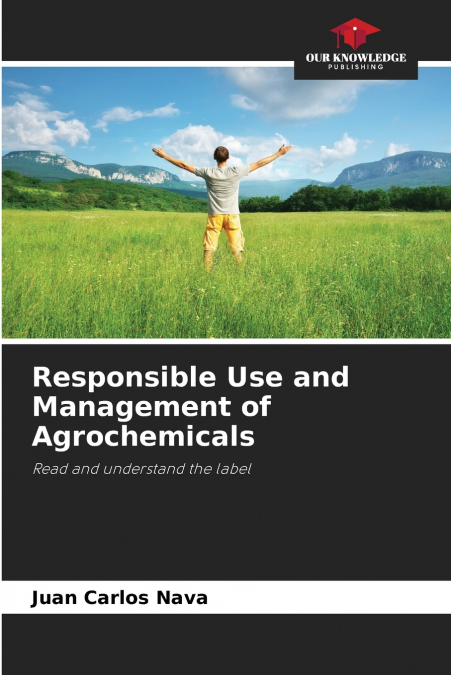
  • Responsible Use and Management of Agrochemicals
    Juan Carlos Nava
    Uso y manejo responsable de agroquímicos is a work product of the author’s experiences (undergraduate and graduate professor, with research and extension projects), aimed at producers, companies, professionals, students, advisors, researchers, among others.Due to its structure and content, it is expected to be a valuable aid to all people directly or indirectly involved in the ...
    Disponible

    49,45 €

  • Hope in the Soil
    Ellen G White
    Before edible classrooms began 'sprouting' in elementary schools, before buzzwords like 'sustainable agriculture', 'organic,' or 'veganic' came into existence, an exceptional woman named Ellen G. White penned numerous letters and articles on the importance of farming, an outdoor life, and manual labor. Though often remembered for other things, Mrs. White was actively engaged in...
    Disponible

    18,38 €

  • The Green Revolution
    Binitha Sophine Emmanuel
    The Green Revolution, a transformative era in the annals of agriculture, emerged as a game-changing force during the mid-20th century, fundamentally reshaping the methodology of food production and steering the trajectory of global food security. Characterized by a sequence of technological breakthroughs, the Green Revolution aimed to substantially augment agricultural producti...
    Disponible

    53,23 €

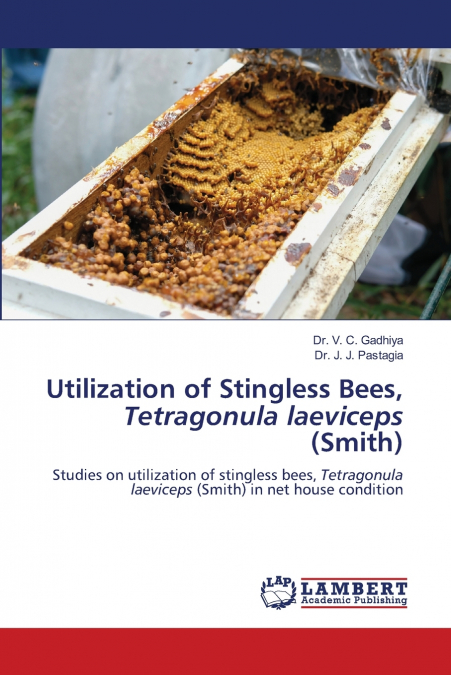
  • Utilization of Stingless Bees, Tetragonula laeviceps (Smith)
    Dr. J. J. Pastagia / Dr. V. C. Gadhiya
    The present investigations on utilization of stingless bees, T. laeviceps Smith in net house condition carried out with the broad aspects like flowers visited by stingless bees, T. laeviceps Smith, toxicity of insecticides to T. laeviceps Smith workers, floral biology of musk melon, foraging behavior of stingless bees, T. laeviceps Smith in net house condition, effect of pollin...
    Disponible

    84,80 €

  • La révolution verte
    Binitha Sophine Emmanuel
    La révolution verte, une ère transformatrice dans les annales de l’agriculture, est apparue comme une force qui a changé la donne au milieu du 20e siècle, remodelant fondamentalement la méthodologie de la production alimentaire et orientant la trajectoire de la sécurité alimentaire mondiale. Caractérisée par une série de percées technologiques, la révolution verte visait à augm...
    Disponible

    53,29 €

Otros libros del autor

  • Normalisation de la sévérité de la taille chez le raisin cv. Red Globe
    Harikanth Porika / R.M. Vijayakumar Soorianathasundaram
    Le raisin (Vitis vinifera L.) est considéré comme l’une des cultures fruitières commerciales les plus importantes des régions tempérées. Cependant, il est également cultivé avec succès dans les régions tropicales et subtropicales du monde en tant que culture fruitière commerciale. La culture du raisin en Inde revêt une grande importance en raison de sa productivité élevée (21,8...
    Disponible

    45,22 €

  • Standardizzazione della severità della potatura nella vite cv. Red Globe
    Harikanth Porika / R.M. Vijayakumar Soorianathasundaram
    L’uva (Vitis vinifera L.) è considerata una delle più importanti colture commerciali di frutta delle regioni temperate. Tuttavia, viene coltivata con successo anche nelle regioni tropicali e subtropicali del mondo come coltura da frutto commerciale. La coltivazione dell’uva in India assume grande importanza grazie alla sua elevata produttività (21,80 MT/ha) rispetto a quella di...
    Disponible

    45,16 €

  • Padronização da severidade da poda em uvas cv. Red Globe
    Harikanth Porika / R.M. Vijayakumar Soorianathasundaram
    A uva (Vitis vinifera L.) é considerada uma das mais importantes culturas frutícolas comerciais das regiões temperadas. No entanto, também é cultivada com sucesso nas regiões tropicais e subtropicais do mundo como cultura frutícola comercial. A cultura da uva na Índia assume grande importância devido à sua elevada produtividade (21,80 MT/ha), em comparação com muitos outros paí...
    Disponible

    45,16 €