Inicio > Sociedad y ciencias sociales > Educación pedagogía > Destrezas y técnicas de enseñanza > Selbstevaluation in Schulen (SEIS) - Sinnvolles Evaluationswerkzeug im Schulentwicklungsprozess?
Selbstevaluation in Schulen (SEIS) - Sinnvolles Evaluationswerkzeug im Schulentwicklungsprozess?

Selbstevaluation in Schulen (SEIS) - Sinnvolles Evaluationswerkzeug im Schulentwicklungsprozess?

Alisa Westermann

23,42 €
IVA incluido
Disponible
Editorial:
GRIN Verlag
Año de edición:
2011
Materia
Destrezas y técnicas de enseñanza
ISBN:
9783640935147
23,42 €
IVA incluido
Disponible

Selecciona una librería:

  • Librería Samer Atenea
  • Librería Aciertas (Toledo)
  • Kálamo Books
  • Librería Perelló (Valencia)
  • Librería Elías (Asturias)
  • Donde los libros
  • Librería Kolima (Madrid)
  • Librería Proteo (Málaga)

Studienarbeit aus dem Jahr 2009 im Fachbereich Pädagogik - Der Lehrer / Pädagoge, Note: 2,3, Universität Münster (Institut für berufliche Lehrerbildung), Veranstaltung: Unterrichtsevaluation, Sprache: Deutsch, Abstract: Es gibt keine Patentlösung für Qualitätsentwicklungsprozesse, insbesondere im öffentlichen Bereich der Schule, welcher durch die Entwicklungen in den letzten Jahren immer mehr ins Auge der Öffentlichkeit getreten ist.Inzwischen bildet sich an deutschen Schulen so etwas wie eine Kultur der Evaluation mit zahlreichen Möglichkeiten, die Unterrichts- undSchulprozesse auf den Prüfstand zu setzen. Die Institution Schule wird immer selbständiger, doch diese Selbständigkeit verlangt auch nach mehr Verantwortung der einzelnen Akteure, gerade wenn es darum geht dem Beispiel der Wirtschaft nach ständiger Qualitätsentwicklung zu folgen.Zuerst muss entschlossen werden, für welches Instrument der Evaluation man sich entscheidet, natürlich immer auf Basis des Wissens, was genau mit der Evaluation bezweckt wird und welche Ziele man verfolgt. Gerade in dieser Entscheidung werden sie Schulen natürlich nicht alleine gelassen: „Die Evaluations-Instrumente müssen nicht jedes Mal neu erfunden werden,Schulen können sich an Vorhandenem orientieren' (Rolff, 2001; S. 108)Eines dieser Instrumente, welches die Schule an die Hand nimmt, ist das von der Bertelsmann Stiftung in Zusammenhang mit INIS (Internationales Netzwerk Innovativer Schulen) entwickelte Projekt „Selbstevaluation in Schulen' (SEIS). In meiner Arbeit möchte ich darauf eingehen, um was für ein Instrument es sich bei dem SEIS-Projekt handelt und nach welcher Methode es vorgeht, aber auch, welche Reichweite das Projekt hat und inwiefern es die Erwartungen, welche an SEIS gestellt werden, auch erfüllt.Ich beginne mit einer Einführung in die schulische Selbstevaluation, sowie dem SEIS-Instrument als besonderes und gehe über zu dem Aufbau und den Funktionen, die es umfasst. Im darauf folgenden Abschnitt werden

Artículos relacionados

  • Virginal Mothers, Groovy Chicks & Blokey Blokes
    Donna Pendergast
    There is an expectation that teachers are, and will be, transformers of society as they prepare young people to deal with an ever-changing world. While the importance of this role has never been greater, the status and respect once enjoyed by teachers has declined over recent years. Diminishing status and negative stereotypes have in turn contributed to a growing teacher shorta...
    Disponible

    35,72 €

  • Educational Technology Use and Design for Improved Learning Opportunities
    Khosrow-Pour / Mehdi Khosrow-Pour
    The rise of technology within educational settings has allowed for a substantial shift in the way in which educators teach learners of all ages. In order to implement these new learning tools, school administrators and teachers alike must seek new research outlining the latest innovations in the field. Educational Technology Use and Design for Improved Learning Opportunities pr...
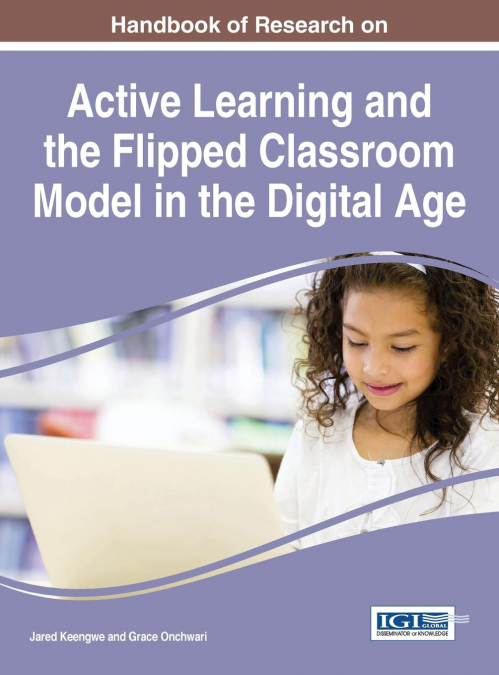
  • Handbook of Research on Active Learning and the Flipped Classroom Model in the Digital Age
    The notion of a flipped classroom draws on such concepts as active learning, student engagement, hybrid course design, and course podcasting. The value of a flipped class is in the repurposing of class time into a workshop where students can inquire about lecture content, test their skills in applying knowledge, and interact with one another in hands-on activities. The Handbook...
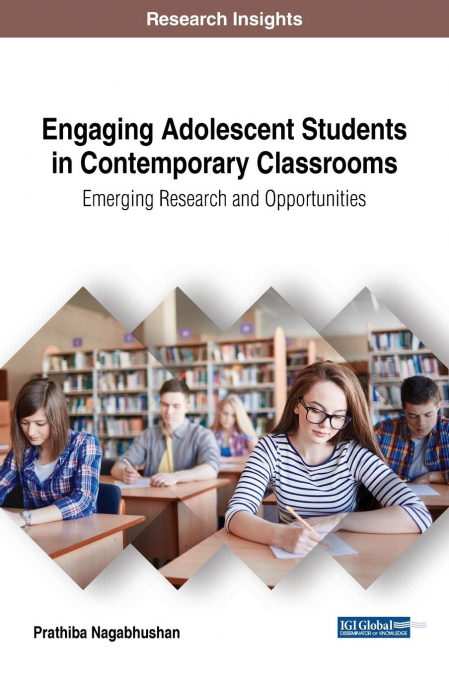
  • Engaging Adolescent Students in Contemporary Classrooms
    Prathiba Nagabhushan
    Preparation for university study and integration into the workforce is the academic goal in the final years of secondary education. This preparedness can only be achieved through the motivation and involvement of students in secondary education programs which will lead to successful outcomes. Engaging Adolescent Students in Contemporary Classrooms: Emerging Research and Opportu...
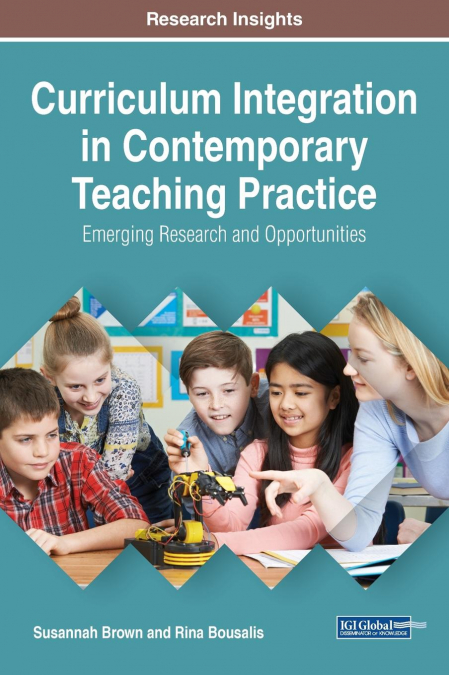
  • Curriculum Integration in Contemporary Teaching Practice
    Rina Bousalis / Susannah Brown
    Teaching and learning practices that are interconnected and value all subject areas benefit K-12 students by supporting creativity, critical thinking, communication, and collaboration. Curriculum Integration in Contemporary Teaching Practice: Emerging Research and Opportunities is an essential scholarly resource that presents detailed information on the benefits and implementat...
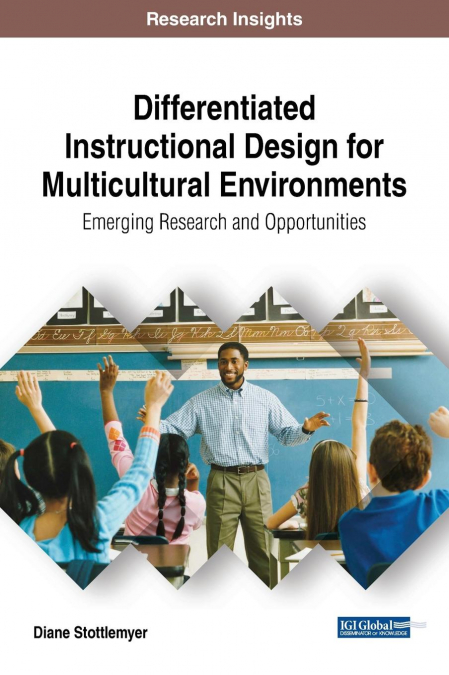
  • Differentiated Instructional Design for Multicultural Environments
    Diane Stottlemyer
    Modern technology is creating new challenges for teachers to keep up with today’s education and advancing teaching styles. The development of a differentiated curriculum is necessary and needed particularly for a diversified group of students. Differentiated Instructional Design for Multicultural Environments: Emerging Research and Opportunities provides emerging research on mo...

Otros libros del autor